

Jump to Recipe
The italian potato croquettes recipe I learned from my Nonna starts with simple, honest steps that build deep flavor and comfort.
We choose mealy potatoes and cook them in their skins so they stay dry, then rice them into a cloud-soft base. I mix in egg yolks, a little grated cheese, a whisper of nutmeg, and chopped parsley so each bite feels balanced and warm.
Shaping is part memory and part technique: firm enough to hold, soft inside. I flour, dip in egg, roll in breadcrumbs, chill, then fry at about 350°F until golden for a crisp shell and creamy center you can hear when you bite.
These croquettes travel from Neapolitan pizzerias to home tables as an antipasto or small fried dish, and a few careful choices — drying the potatoes, the cheese blend, the frying temp — make all the difference.
Key Takeaways
- Start with mealy potatoes cooked in their skins for a dry, fluffy base.
- Use egg yolks and grated cheese for richness and structure.
- Flour, egg wash, and breadcrumbs plus chilling give a crisp crust.
- Fry at about 350°F for 3–5 minutes until golden and cooked through.
- Small technique choices transform a good dish into a memorable one.
A family-loved crocchè with crispy shells and creamy centers
Good crocchè are all about contrast: a shatter-crisp shell and a silky, warm heart that folds into your mouth. I steam potatoes in their skins until a skewer slips through, then let them cool and pass them through a ricer for cloudlike mashed potatoes. This dryness is the secret to a fluffy interior and a crust that does not go soggy after sitting.
Smaller pieces mean more golden crust; larger logs give you that indulgent, gooey center. I fry at about 350°F in small batches so the oil stays steady and the pieces brown evenly. Cook for a few minutes until the surface is a deep golden hue.
Use your hands to shape dough that feels firm but not sticky. Look for a smooth, matte surface before breading. These cues, plus steady heat and patient timing, are the easy way to bring a platter to the table that disappears in minutes.
- Texture tip: drier potatoes = lighter interior and crisper shell.
- Size choice: bite-size for crunch, larger for creamy centers.
- Stovetop note: steady oil, small batches, quick turning.
| Size | Result | Serve |
|---|---|---|
| Bite-size | Extra crust | Party finger food |
| Large log | Gooey center | Rich side dish |
| Medium | Balanced | Antipasto platter |
Ingredients, tools, and pro prep notes for perfect croquettes
Before you heat oil, assemble the right ingredients and tools so every step feels calm and confident. Mise en place saves time and protects texture.
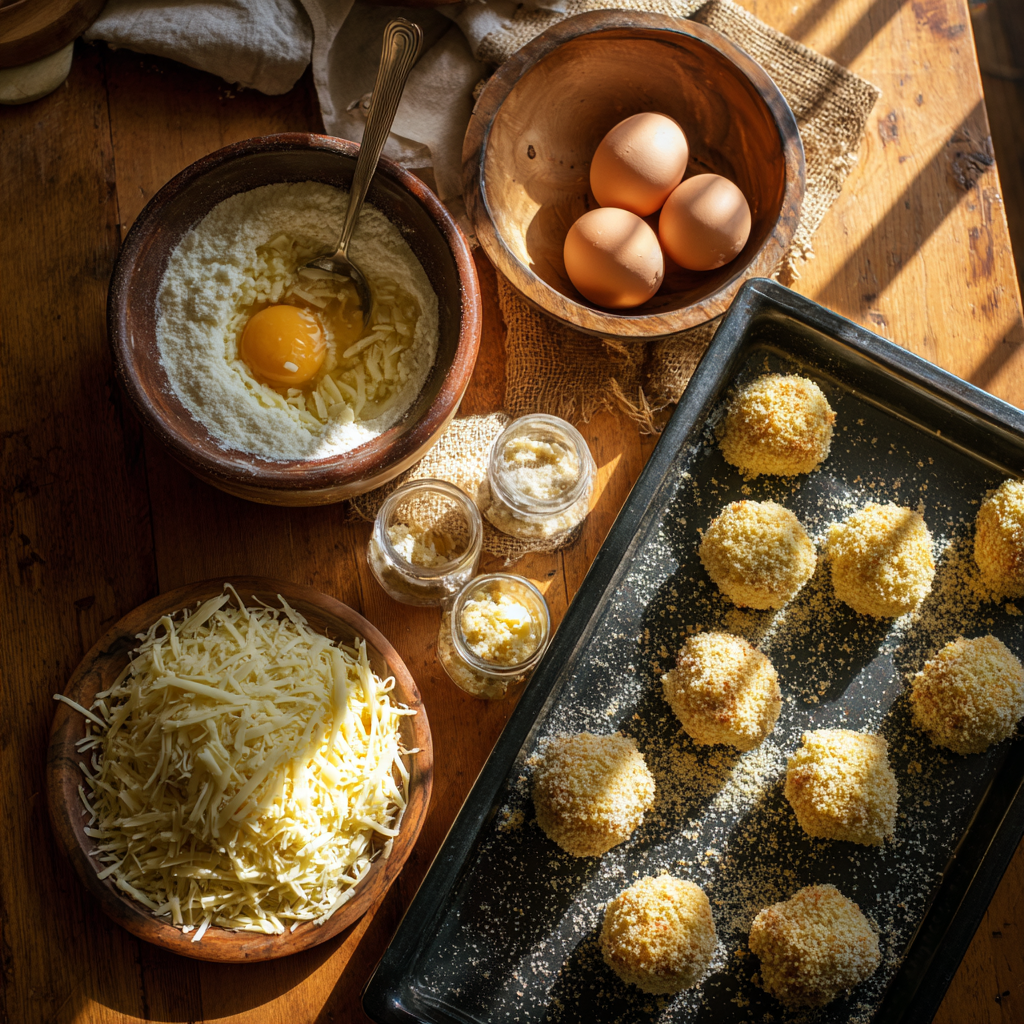
Core ingredients and smart swaps
Use 1 kg mealy potatoes for a dry, fluffy base. Mix in 2 whole eggs or 3 yolks and 100 g grated Parmesan or a Parmesan-pecorino romano blend. Add a whisper of nutmeg, salt, and pepper. Fold in chopped parsley if you like brightness.
Choose low-moisture mozzarella for fillings so it melts without leaking. Swap in fontina or similar melters for a different profile. If the dough feels soft, fold in more grated cheese or a spoonful of flour until it holds shape.
Tools that make the job easier
Have a potato ricer ready for silky mash. Use roomy bowl and a second bowl for breading. A steady pan or deep pot and a slotted spoon make frying safe. Rest pieces on a baking sheet to firm before frying.
Cheese, breadcrumbs, and oil choices explained
- Breadcrumbs: fine dry for classic coat, fresh for rustic crunch. Dust with flour before egg for better cling.
- Oil: neutral high-heat oils like sunflower or peanut work best for deep frying. Use a splash of olive oil only for shallow frying to add aroma.
- Mind water: dry the mash well so the food stays light and the crust stays crisp.
| Item | Why | Tip |
|---|---|---|
| Potato ricer | Silky texture | Rice while hot |
| Oil | High smoke point | Keep at steady heat |
| Breadcrumbs | Crunch | Flour first for extra crisp |
italian potato croquettes recipe: step-by-step method for Nonna-level results
Start by treating the spuds gently: cook them whole until a paring knife slides through without resistance. Steam the skins for 30–40 minutes to limit water uptake and keep flesh dry.
While still warm, peel and pass the flesh through a ricer. A ricer makes silkier mash than a masher and prevents gumminess in the final mixture.
Mix the base
In a bowl, combine the riced potatoes with 2 eggs or 3 yolks, 100 g grated Parmesan or a Parmesan-pecorino blend, a pinch of nutmeg, salt, pepper, and chopped parsley. Stir until cohesive. If it feels too soft, add more cheese or a spoon of flour.
Shape and fill
Wet your hands slightly and shape logs or rounds. Tuck low-moisture mozzarella or a bit of ham into the center for a molten heart. Wet hands stop sticking and give a smooth finish.
Bread and chill
For extra crunch, dust pieces with flour, dip in beaten egg, then roll breadcrumbs. Rest on a baking sheet in the fridge for about an hour so they firm up and resist bursting when fried.
Fry like a pro
Heat neutral oil to 350°F in a deep pan. Fry small batches for 3–5 minutes, turning once for even color. Drain on paper towels and season with a final pinch of salt while still hot. For shallow frying, add a dash of olive oil for aroma but keep a neutral oil base for steady heat.
| Step | Key detail | Why it matters |
|---|---|---|
| Steam whole | 30–40 minutes; knife test | Limits water; keeps interior dry and airy |
| Rice not mash | Use ricer while hot | Silky texture; fewer lumps |
| Bread & chill | Flour → egg → breadcrumbs; 1 hour on baking sheet | Better cling and less bursting during frying |
| Fry | 350°F; small batches; 3–5 minutes | Even golden crust and melted center |
Fillings, variations, and serving ideas that feel authentically Italian
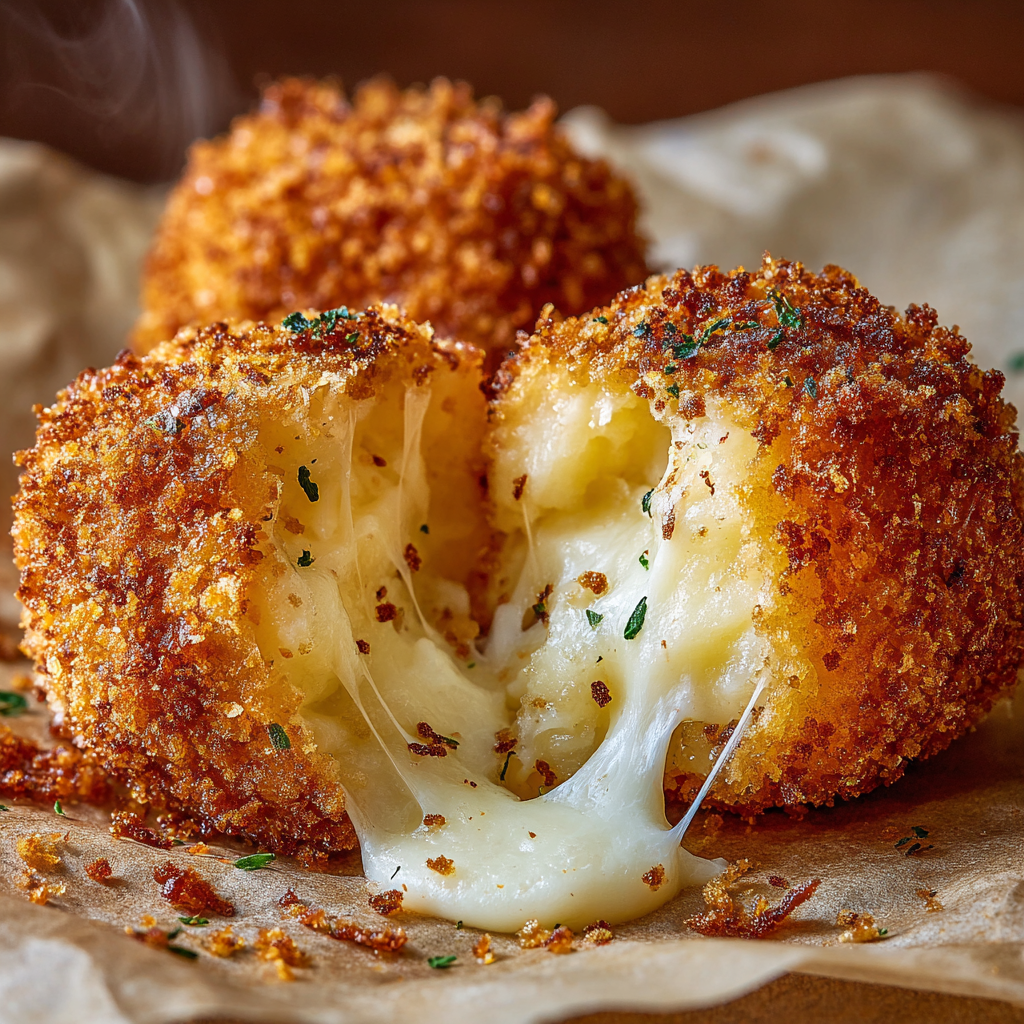
Pick a filling that fits the mood: salty, mild, or richly savory, and shape it to match. My family leans on a few beloved options that always please a crowd.
Classic filling choices
Mozzarella alone gives pure, stretchy joy. Ham with mozzarella adds a savory lift. Anchovy with mozzarella brings a bright, briny note. Salami paired with fontina gives a deeper, richer cheese flavor.
Size and shape tips
Small rounds or bite-size logs make for extra crust and quick frying. Larger logs hold a molten center that takes a few more minutes to warm through.
Serve, bake, and make ahead
- Serve as antipasto, a contorno, or part of a fritto misto for sharing.
- To make croquettes ahead: bread, then rest on a lightly oiled baking sheet in the fridge up to an hour so they fry evenly.
- For baking, brush with a little olive oil, use a hot oven, and turn once at the right minutes to build even color.
- Reheat on a pan or in the oven to re-crisp the crust; avoid the microwave. Drain on paper towels after frying if needed.
| Choice | Result | Tip |
|---|---|---|
| Small shape | More crust | Take minutes less in frying |
| Large shape | Gooey center | Cook a few extra minutes |
| Bake | Less oil | Brush with oil on a baking sheet and flip once |
Finish with chopped parsley and a crack of pepper. Dust lightly with flour if breadcrumbs need help to stick. If you collect recipes, print or save this one and send it by email to friends who love a warm, shareable plate.
Bring this cherished dish to your table today
Bring this cherished plate to your table tonight and learn as you go with steady hands and calm focus. Gather a bowl, the potato ricer, and the calm to steam potatoes, rice them, and season the mixture with eggs, grated Parmesan and pecorino romano, salt, and parsley.
Choose a filling — mozzarella or a touch of ham — then bread, rest in the fridge for an hour, and fry in clean oil at steady heat. Golden color usually appears in 3–5 minutes; drain on paper and season while hot.
Make time to bake if you prefer a lighter dish, or stick with frying for that crisp shell and soft center. Save this recipe with your favorite recipes and send it by email to loved ones. Keep the hour rest and respect the pan temperature — these two cues make sure the croquettes sing.

Italian Potato Croquettes (Crocchè di Patate)
Ingredients
Method
- Steam or boil the potatoes in their skins for 30–40 minutes, until a knife slides in easily. Steaming helps keep them dry and fluffy.
- Peel while warm and pass through a potato ricer. In a bowl, mix the riced potatoes with eggs (or yolks), grated cheese, nutmeg, parsley, salt, and pepper. If the mixture feels too soft, add a little more cheese or a spoonful of flour.
- With slightly wet hands, take portions of the potato mixture and shape into small logs or rounds. Tuck a small piece of mozzarella (and optional ham or salami) in the center, sealing well.
- Roll each croquette in flour, then dip in beaten egg, and coat with breadcrumbs. Lay them on a baking sheet and chill in the fridge for about 1 hour — this helps them hold shape while frying.
- Heat neutral oil to 350°F (175°C). Fry in small batches for 3–5 minutes, turning once, until golden brown and crisp. Drain on paper towels.
- Sprinkle with salt while still warm. Serve plain or with a side of aioli, marinara, or just fresh lemon wedges.
Notes
- Use mealy potatoes and keep them dry — this ensures a fluffy, non-sticky mash.
- Don’t skip chilling before frying; it prevents bursting.
- Fry in small batches to keep oil temperature stable.
- To bake instead of fry: brush croquettes with olive oil and bake at 400°F (200°C) for 20–25 minutes, turning once.
- Reheat in the oven at 375°F for 8–10 minutes to keep the crust crispy.