
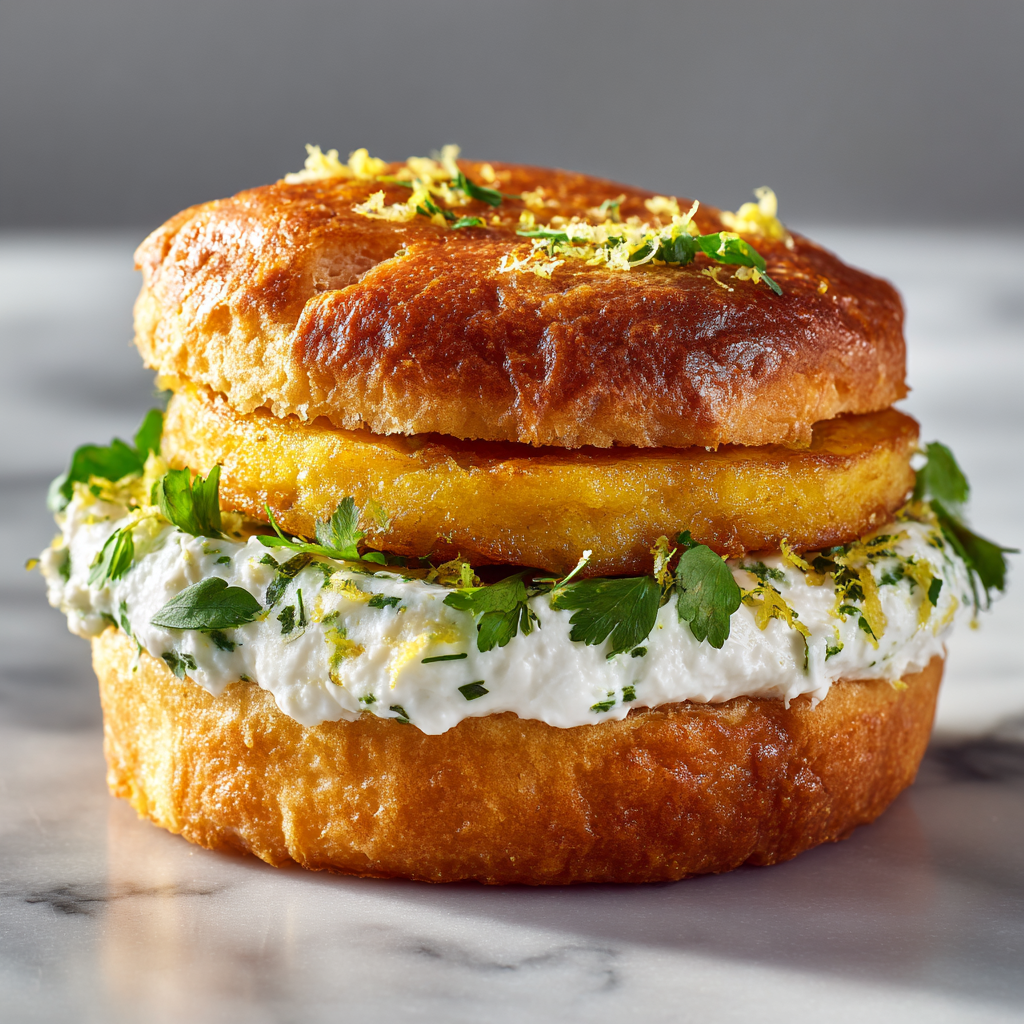
Jump to Recipe
panelle sandwich recipe sicily sparks a memory of hot fritters cracking at the edges as I tuck them into warm bread on a bustling Palermo corner.
I learned this from my aunt, watching chickpea batter turn silky, set like quick polenta, then cooled and cut to fry until puffed and golden. The smell of frying oil and a squeeze of lemon is unforgettable and very much part of the street food rhythm there.
I’ll guide you with clear texture cues—how thin to spread the batter, the crisp edges you want, and why a 375°F oil or a hot broil makes all the difference. Expect honest, practical tips for reheating, a Brooklyn ricotta twist on brioche, and simple timing so you can cook with calm confidence and joy.
Key Takeaways
- Learn the thin-set texture and exact timing for firm, shatter-crisp fritters.
- Use 375°F oil for frying or broil for a lighter, golden top.
- Make ahead through the frying step; re-fry or air-fry to revive crunch.
- Serve in sesame rolls or brioche with ricotta cream and pecorino for a Brooklyn twist.
- Understand how the sicilian chickpea batter behaves like quick polenta for consistent results.
Why panelle belong in your kitchen today
These crisp chickpea fritters bring a bit of Palermo to a busy weeknight. I turn to them when I want big flavor from pantry staples and very little fuss.
They are a pillar of street food and home cooking because the method is fast. The batter cooks like quick polenta, sets, then fries to thin, golden edges and a soft interior.
Budget-friendly and adaptable, they take minutes to make and suit many meals. Keep them plain with salt, or fold in parsley or fennel fronds for an herbal lift.
A squeeze of lemon brightens the chickpea richness and cuts through the fry. Serve as an appetizer with a glass of wine, tuck into a roll for a casual bite, or pair with salad for a light dinner.
- Quick prep: about 30–40 minutes total time
- Minimal ingredients: chickpea flour, water, salt, oil
- Flexible serve options for weeknights and gatherings
| Use | Prep Time | Best Pairing |
|---|---|---|
| Appetizer | 30 minutes | Wine, lemon wedges |
| Casual meal | 35 minutes | Sesame roll or brioche |
| Light dinner | 30–40 minutes | Simple salad, shaved cheese |
Ingredients and simple tools for true Sicilian chickpea fritters
A handful of trusty ingredients and the right pan make all the difference when I cook these fritters at home. I keep the list lean and US-friendly so you can shop once and cook with confidence.
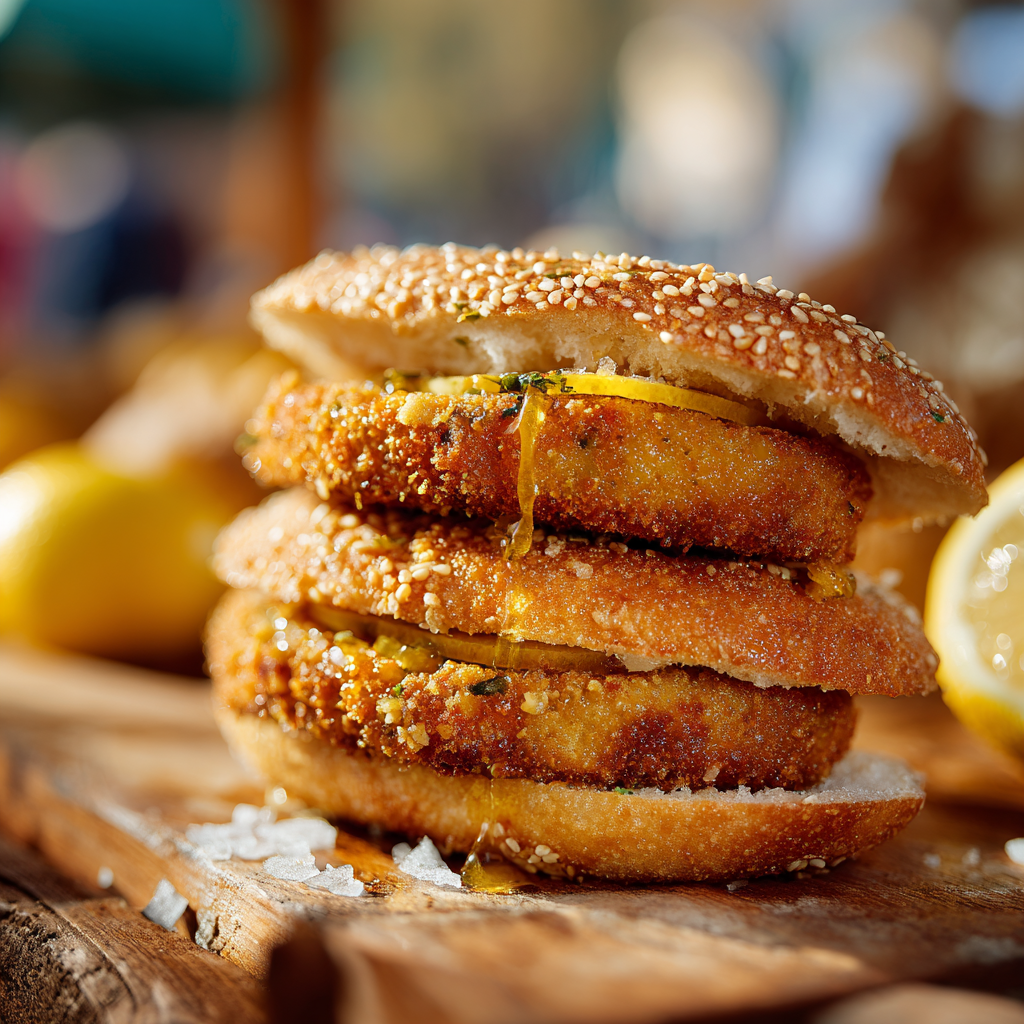
Core ingredients
Use 2 cups chickpea flour (about 250 g) to 3½ cups water (750 ml). Add a pinch of salt while whisking so the batter seasons from within. Optional parsley, a grind of black pepper, and a squeeze of lemon brighten the fritters when served.
Oil matters
Grease your sheet or loaf pan with olive oil for flavor and easy release. For frying, choose a neutral, high-smoke oil and maintain about 375°F for a golden, crisp finish.
Helpful tools
- Sturdy saucepan and whisk to cook without lumps.
- Spatula to spread batter evenly to about 1/8 inch on a greased baking sheet or into a loaf pan.
- Thermometer and paper towels to check oil and drain fritters cleanly.
| Item | Why it matters | Suggested brand/notes |
|---|---|---|
| Chickpea flour | Forms the body and nutty flavor; buy fresh for best taste | Bob’s Red Mill or local mill; smell the bag for freshness |
| Water & salt | Cold water prevents lumps; salt seasons the batter | Use filtered water and kosher salt, measured to taste |
| Pan, saucepan & spatula | Even heat and smooth spreading avoid scorch and gaps | Heavy-bottom saucepan; flexible spatula for a thin, even sheet |
| Oil & thermometer | Right oil keeps the color even; thermometer ensures steady heat | Canola or peanut oil; digital thermometer for 375°F target |
Panelle sandwich recipe Sicily: step-by-step from batter to golden fritters
I start on the stove, whisking chickpea flour into cold water until the batter sings and thickens like quick polenta. Use a sauce pan and keep the whisk moving so no lumps form.
Once it tightens and pulls from the sides over medium heat, season the hot batter with salt. Work fast: scrape the mix onto a well-oiled baking sheet and use a moistened spatula to spread it to about 1/8 inch.
- Or pour into a greased loaf pan for neat rectangles; chill until firm for tidy slicing.
- Let the slab cool completely, then cut into roughly 2-inch squares or rectangles for frying.
- Heat oil to 375°F. Fry a few at a time so pieces puff and turn golden brown. Drain on paper towels to keep them crisp.
- For a lighter option, brush the sheet with oil and broil in the oven until the top is deeply golden.
This step moves quickly—just minutes once the batter sets—so have your pan, oil, and trays ready. The cues (pulling from the pan, smooth spread, crisp edges) tell you when you’re there.
| Method | Key cue | Texture | Time |
|---|---|---|---|
| Frying | Oil at 375°F; pieces puff | Very crisp edges, tender interior | 2–3 minutes per side |
| Oven broil | Brush with oil; broil until deep gold | Crunchy top, softer body | 3–5 minutes under broiler |
| Loaf pan method | Chill until firm, then slice | Even rectangles, easy to cut | Chill 30–60 minutes |
Build the sandwich: Palermo street classic or Brooklyn ricotta twist
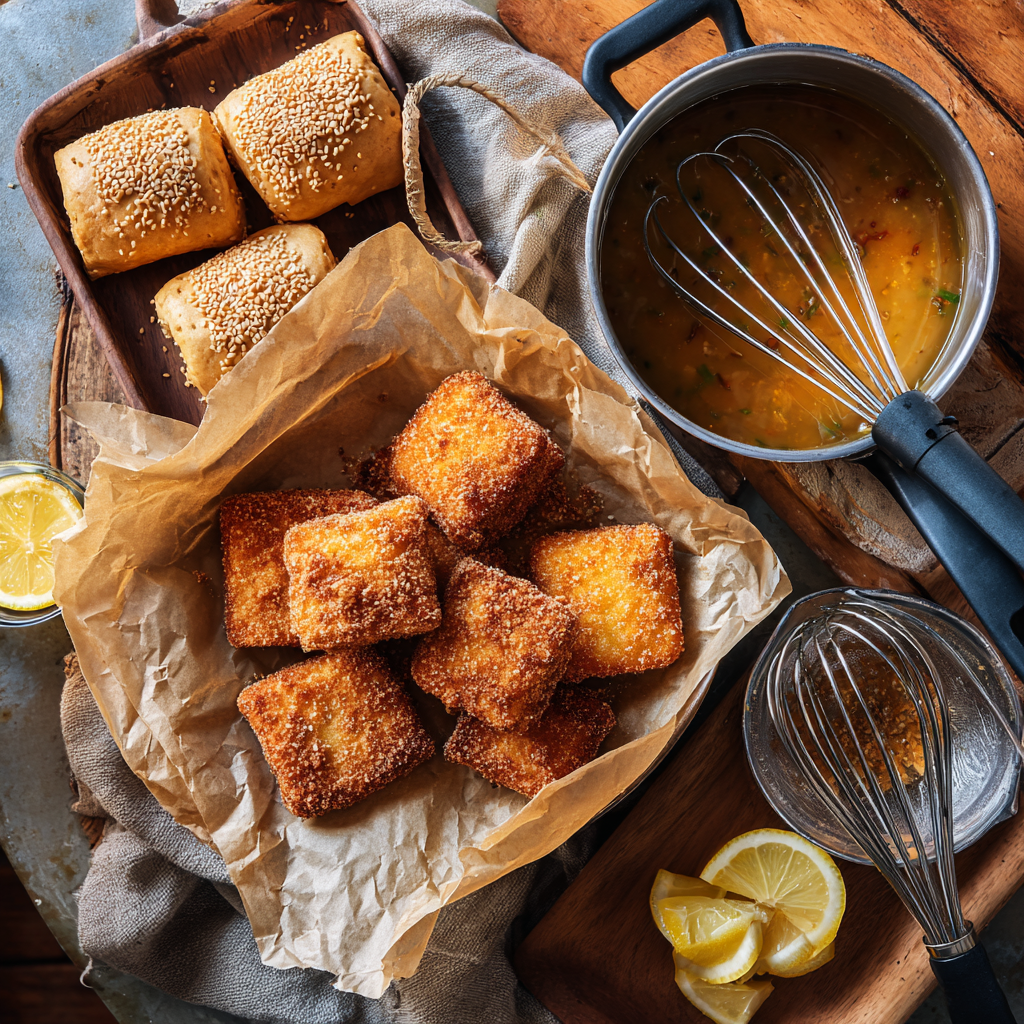
I assemble these quickly so each bite stays crisp and bright. Work fast; heat and texture change the moment you build.
Palermo classic
Split a sesame roll and lay in hot panelle that are still golden brown. Sprinkle salt lightly and finish with a bright squeeze of lemon juice.
Keep it simple so the chickpea fritters stay crisp. Assemble at the last minute and eat right away for the best contrast of crunch and soft interior.
Brooklyn ricotta twist
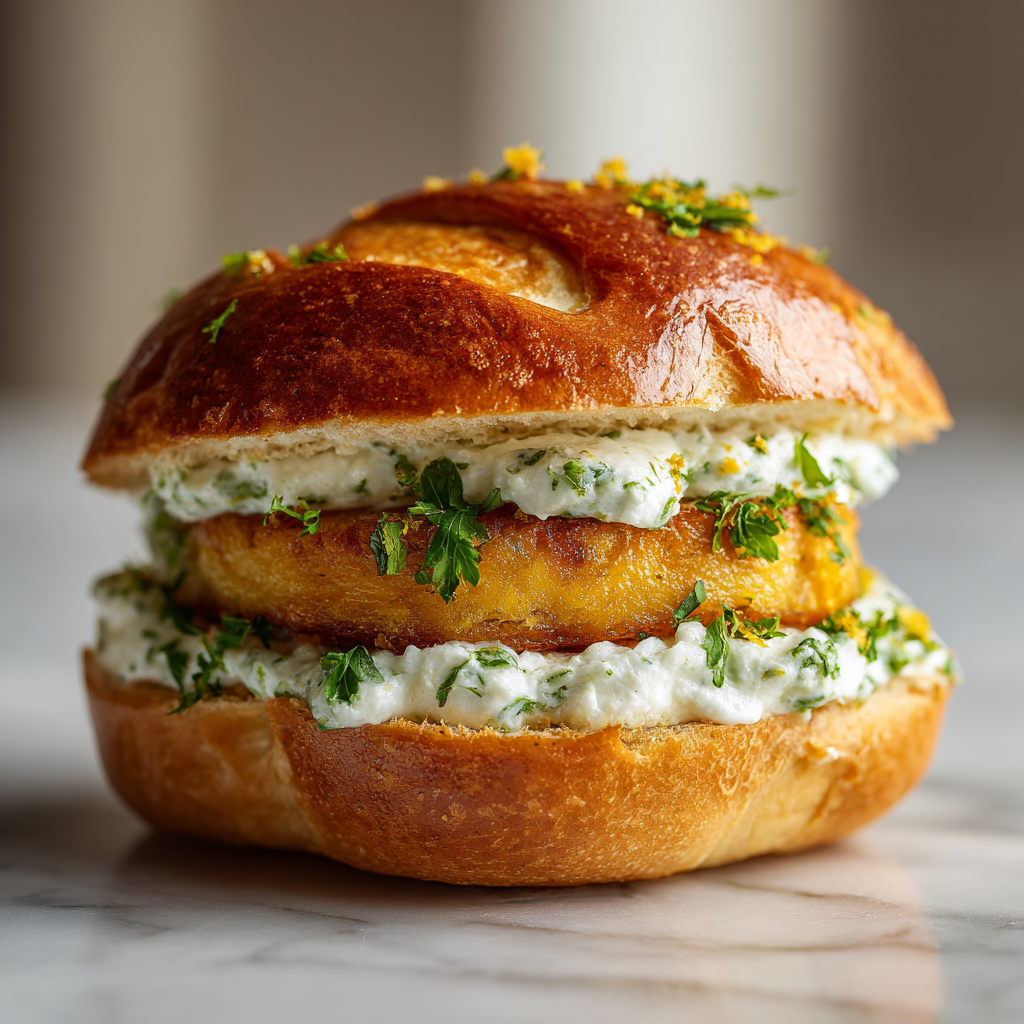
Whisk whole-milk ricotta with finely grated pecorino and chopped parsley until smooth. Spread on brioche or a crusty roll.
Stack two pieces of panelle, add a crack of black pepper, and a small squeeze of lemon juice to cut the richness.
Serve ideas and light plates
- Serve panelle as a side with arugula dressed very lightly in lemon juice and a drizzle of balsamic.
- Add shaved Parmigiano or thinly sliced fennel for texture and anise notes.
- If a roll is oversized, trim the fritters to fit so every bite has even fritter-to-bread ratio.
| Style | Roll / Bread | Build layers | Why it works |
|---|---|---|---|
| Palermo classic | Sesame roll | Hot panelle, salt, lemon juice | Crisp edges meet warm bread; acid lifts the nutty base |
| Brooklyn ricotta | Brioche or crusty roll | Ricotta-pecorino spread, two fritters, parsley, lemon juice | Rich cream balances the golden brown fritters and adds tang |
| Light plate | None—served as a side | Arugula, shaved Parmigiano, trimmed fritters, lemon | Greens refresh the palate and keep the fritters central |
Pro tips for crisp, light panelle every time
Control of heat and spacing is the secret to fritters that puff and stay crisp. Keep pieces thin and fry them hot so the exterior seals quickly and the interior stays tender.
Keep them thin, avoid crowding, and watch the oil
Spread the batter to about 1/8 inch so each piece cooks through in minutes. Keep oil near 375°F; steady heat means even color and minimal absorption.
Fry in batches. Crowding drops the temperature and stops pieces from puffing. Transfer fried pieces straight to paper towels to drain excess oil and avoid soggy crusts.
Make-ahead and storage
Make the batter, cook it, and chill the slab. Cut ahead and keep covered in the fridge. Fry at the last minute so you serve the fritters at their peak.
Reheating that works
For reheating, give each piece 1 to 2 minutes in hot oil or use an air-fry or convection oven. Skip the microwave; it makes them rubbery.
If reheating in a pan, keep medium heat so you refresh the crust without scorching. Stage buns, greens, and condiments first so you can serve panelle immediately after frying. If you need a make-ahead plan for a crowd, let know and I’ll map timing to your guest list.
- Season with a pinch of salt while hot so it sticks.
- Use a paper-lined tray to rest pieces; the paper helps absorb surface oil.
- When using the oven to crisp, finish under the broiler for a minute if needed.
| Task | Heat / Tool | Time |
|---|---|---|
| Initial frying | Oil at 375°F; deep or wide pan | 2–3 minutes per side |
| Reheat (oil) | Oil at medium-high; pan or fryer | 1–2 minutes total |
| Reheat (air/oven) | Air-fryer 375°F or convection oven | 3–5 minutes until crisp |
Conclusion
This method proves that careful timing and a hot pan make humble chickpea flour sing. Whisk the flour into cold water with a pinch of salt in a sauce pan, cook until thick, then spread thin on a greased baking sheet with a spatula and let cool completely.
Cut clean squares or rectangles, then fry hot at 375°F until pieces puff and turn golden, or finish under the oven broiler for a lighter turn. A squeeze of lemon brightens each bite.
You now have what you need to make panelle at home—simple pantry food that becomes classic street food in minutes. Try the Palermo or Brooklyn builds, serve panelle while edges are crisp, and make panelle this week.
I’d love to hear how it goes—make it, taste it, and let know how your turn at these Sicilian chickpea fritters lands.
Panelle Sandwich (Sicilian Chickpea Fritters)
Ingredients
Method
- In a saucepan, whisk chickpea flour into cold water until smooth and lump-free.
- Add salt.
- Cook over medium heat, stirring constantly, until thick like polenta and the batter pulls away from the sides (about 10–15 minutes).
- Grease a baking sheet or loaf pan with olive oil.
- Spread the hot batter evenly to about ⅛ inch thick using a spatula.
- Let it cool completely until firm (about 30–60 minutes).
- Once set, cut the slab into 2-inch squares or rectangles.
- Heat frying oil to 375°F (190°C) in a wide pan.
- Fry a few pieces at a time for 2–3 minutes per side, until puffed and golden.
- Drain on paper towels.
- (For a lighter version: brush with oil and broil 3–5 minutes until golden.)
- Palermo style: Place hot fritters in a sesame roll, sprinkle salt, and finish with a squeeze of lemon.
- Brooklyn twist: Spread ricotta mixed with pecorino and parsley on brioche, stack fritters, add pepper and lemon juice.
- Enjoy while hot and crisp. Serve with a simple salad or glass of wine.
Notes
- Use fresh chickpea flour for the best nutty flavor — stale flour tastes dull.
- Don’t overcrowd the pan when frying; the oil cools and fritters won’t puff.
- Reheat in an air fryer or pan for 1–2 minutes to restore crispness — never microwave.
- For a quick meal, make the batter ahead and fry just before serving.
- A squeeze of lemon makes all the difference—never skip it.