Jump to Recipe
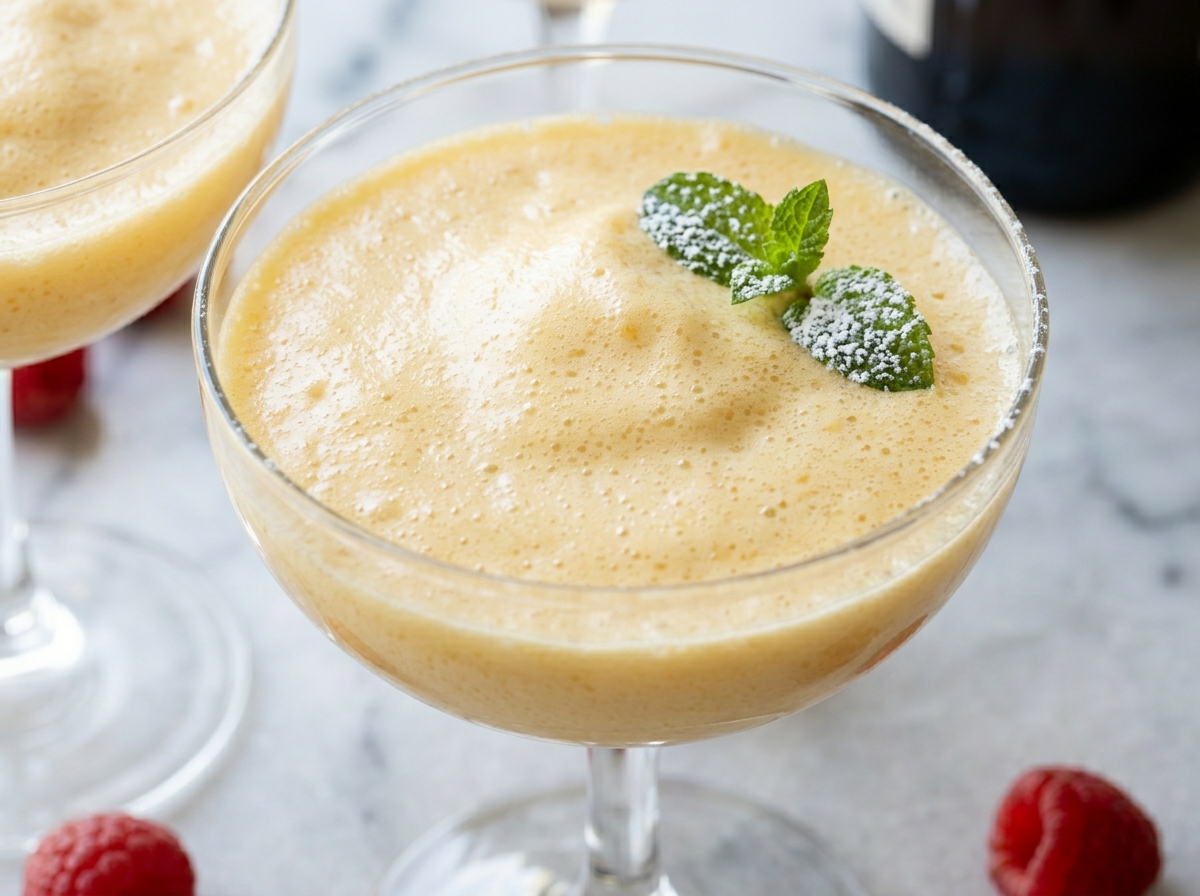
Zabaglione is one of those Italian desserts that looks far more difficult than it is. You whisk egg yolks, sugar, and dry Marsala wine over simmering water until the mixture triples in volume and holds soft ribbons. That’s the whole recipe.
The technique matters more than any ingredient here. Too much heat and the eggs scramble. Too little and the foam never develops. Once you find the right pace, the whole thing comes together in about 15 minutes of active whisking.
I serve it warm, poured straight into glasses or coupes, sometimes with a handful of fresh berries on the side. It also chills beautifully if you want to make it ahead and fold in whipped cream for a more stable texture.
This is a Venetian classic that belongs in your regular rotation, not just for dinner parties.
Why You’ll Love This Recipe
- Only three core ingredients, no special equipment required
- Ready in under 20 minutes from cold start
- Works warm from the pan or chilled the next day
- No oven, no baking, no gelatine needed
Ingredient Notes
- Egg yolks: Use large, fresh eggs at room temperature – cold yolks take longer to aerate. Pasteurized yolks work if you’re serving people who avoid raw eggs, though the foam is slightly less stable.
- Caster sugar: Caster sugar dissolves faster than granulated, which matters because you’re whisking over heat. Granulated will work but give it an extra minute before adding the Marsala.
- Dry Marsala wine: Dry Marsala (secco) gives a cleaner, less cloying result than sweet Marsala. If you can’t find Marsala, a dry Madeira or medium-dry sherry is the closest substitute.
Zabaglione Italian Dessert Recipe
Ingredients
Method
- Fill a medium saucepan with about 5 cm of water and bring to a gentle simmer over medium-low heat. The water should produce steam but not a rolling boil.
- Place egg yolks and caster sugar in a large heatproof bowl. Whisk together for about 1 minute until the mixture is pale and the sugar begins to dissolve.
- Pour in the dry Marsala in a slow, steady stream while whisking continuously so the liquid incorporates evenly.
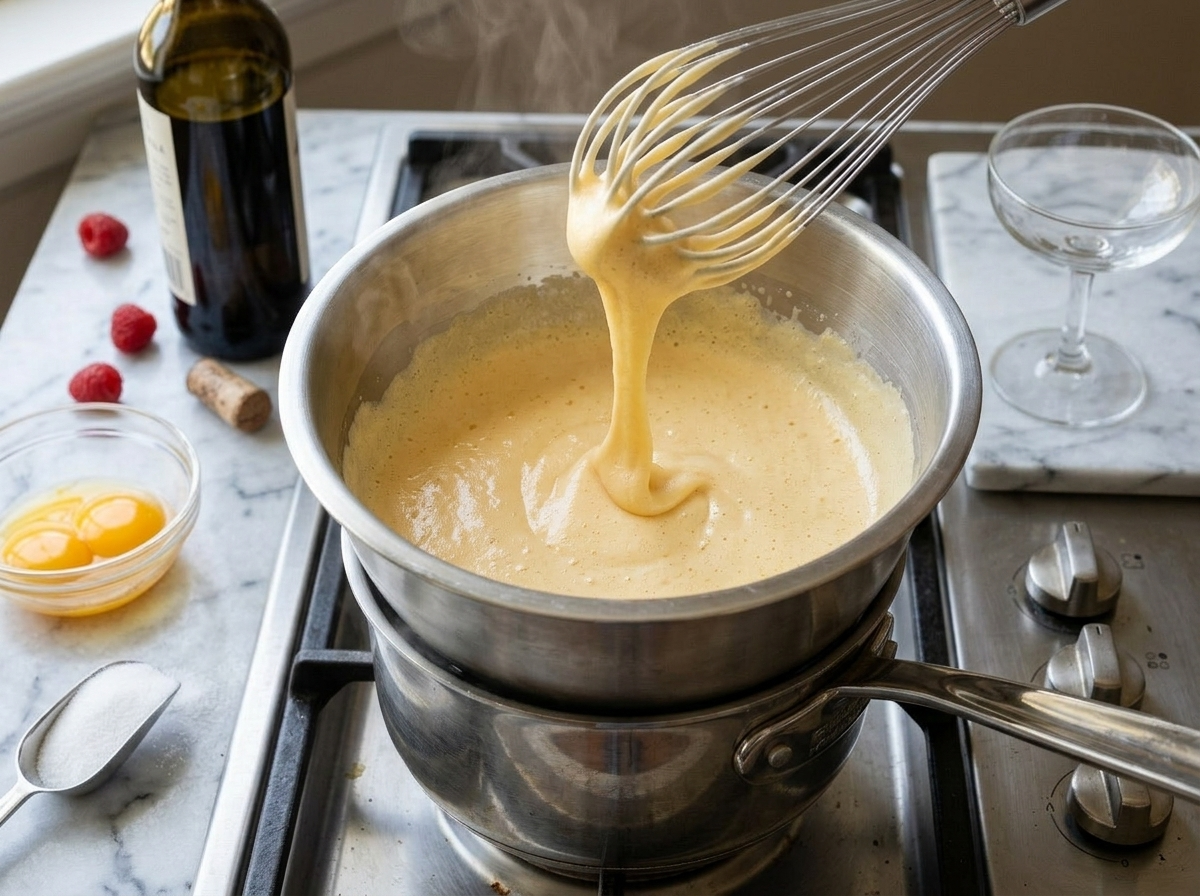
- Set the bowl over the saucepan, making sure the base does not touch the water. Begin whisking constantly in wide figure-eight strokes.
- Whisk over the steam for 12 to 15 minutes, lifting the bowl off the heat every 30 seconds if it feels very hot to the touch. The mixture will slowly turn pale, triple in volume, and thicken.
- The zabaglione is ready when it leaves a thick ribbon on the surface for 3 seconds and an instant-read thermometer reads between 70 C and 75 C (158 F to 167 F).
- Remove the bowl from the heat and continue whisking for 30 seconds off the heat to stop the cooking.
- Pour or spoon immediately into four stemmed glasses or coupes. Serve at once, plain or with fresh berries alongside.
Notes
Tips for Success
- Keep the water at a bare simmer, not a full boil, to avoid scrambling the yolks.
- Use a large, round-bottomed heatproof bowl so the whisk reaches every part of the mixture.
- Whisk constantly in wide figure-eight strokes to incorporate as much air as possible.
- Lift the bowl off the heat every 30 seconds if the mixture feels very hot against your palm.
- Stop whisking when the zabaglione leaves a thick ribbon on the surface for 3 seconds.
Variations
- Prosecco zabaglione: replace Marsala with dry Prosecco for a lighter, more delicate flavor.
- Coffee zabaglione: add 1 tsp of strong espresso powder with the sugar for a bitter edge.
- Chilled zabaglione: fold warm zabaglione into 120 ml whipped cream for a mousse-like set dessert.
Storage and Reheating
Zabaglione is best eaten within 20 minutes of making it. The foam begins to deflate and liquid pools at the bottom as it sits at room temperature.
If you want to make it ahead, fold the finished zabaglione into an equal volume of softly whipped double cream while still warm. This stabilized version keeps in the fridge for up to 24 hours in a covered bowl.
Do not freeze plain zabaglione. The egg foam collapses completely on thawing and cannot be revived. The cream-stabilized version also does not freeze well.
Serving Suggestions
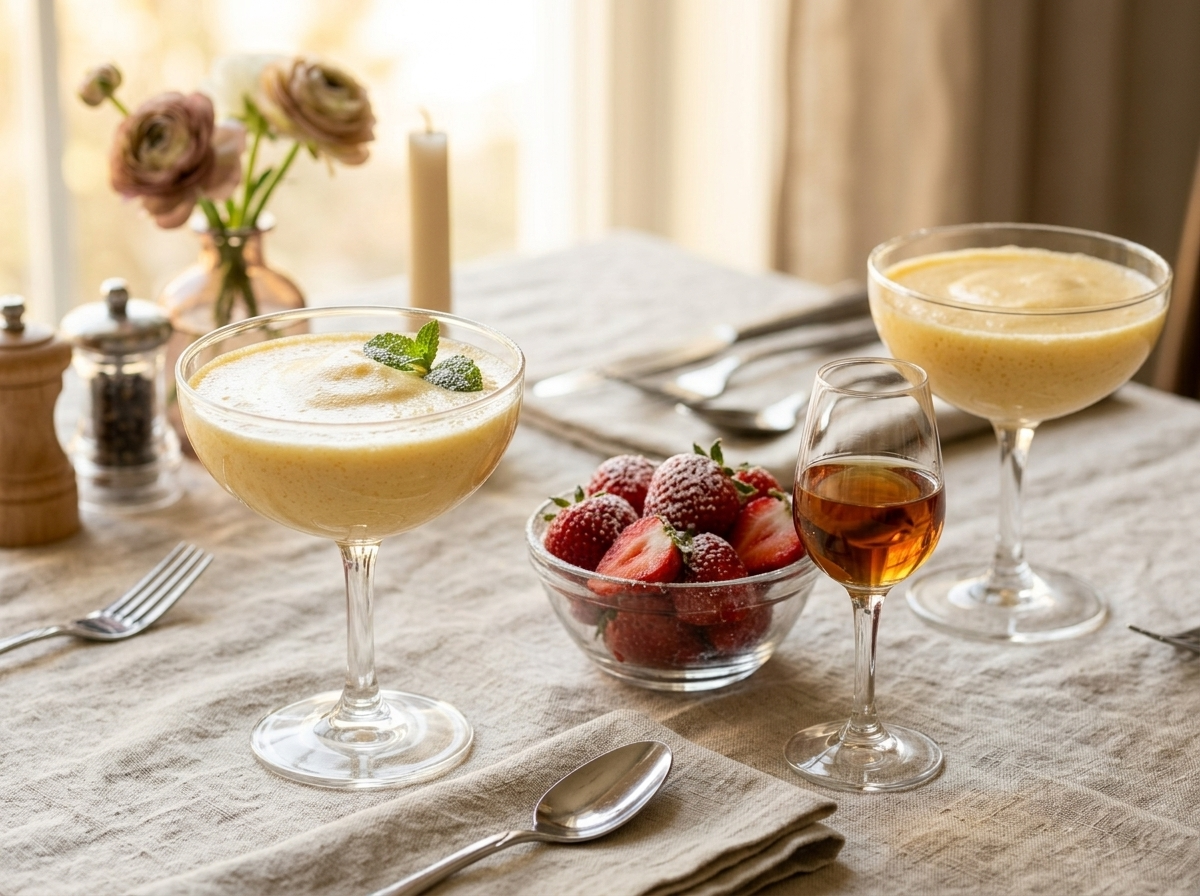
Pour the warm zabaglione into stemmed wine glasses or wide coupes immediately after whisking. A few fresh raspberries or sliced strawberries in the bottom of each glass add acidity that cuts through the richness, much like the citrus notes in a light Italian ricotta cheesecake balance its creamy base.
For a more substantial dessert, spoon the zabaglione over a bowl of pan-toasted pandoro or savoiardi biscuits, or serve it alongside a classic Italian alpine strudel for a more composed spread. The biscuits absorb the custard and soften within a minute or two.
At the table, a small glass of the same dry Marsala you used for cooking is the most natural pairing. If you prefer something lighter, a Moscato d’Asti works well alongside the chilled cream version.
FAQ
Why did my zabaglione turn grainy or scrambled?
The water underneath was boiling too hard, pushing the temperature of the bowl above 82 C. Pull the bowl off the heat immediately if you see any solid bits forming, and whisk vigorously. Keep the water at a gentle simmer rather than a rolling boil.
Can I use Prosecco instead of Marsala in zabaglione?
Yes, Prosecco works and produces a slightly lighter, more floral result. Use the same volume as you would Marsala and expect the foam to be a little less stable because the sugar content is lower.
How do I know when my zabaglione is ready to take off the heat?
Lift the whisk and let a stream of the mixture fall back into the bowl. It should hold a thick ribbon on the surface for at least 3 seconds before dissolving. The color will be pale yellow and the volume roughly triple what you started with.
Can I make zabaglione without alcohol for kids?
Replace the Marsala with an equal measure of fresh orange juice or white grape juice. The flavor is milder but the technique is identical. The foam may be very slightly less voluminous since alcohol helps denature the proteins.
What is the difference between zabaglione and French sabayon?
They are the same preparation – zabaglione is the Italian name, sabayon is the French. The Italian version traditionally uses Marsala, while the French sabayon more often uses Champagne or white wine and appears in both sweet and savory contexts.
Is zabaglione gluten-free?
The classic three-ingredient zabaglione contains no gluten – egg yolks, sugar, and Marsala wine are all gluten-free. Check any biscuits or accompaniments separately if you’re serving someone with coeliac disease.