
Jump to Recipe
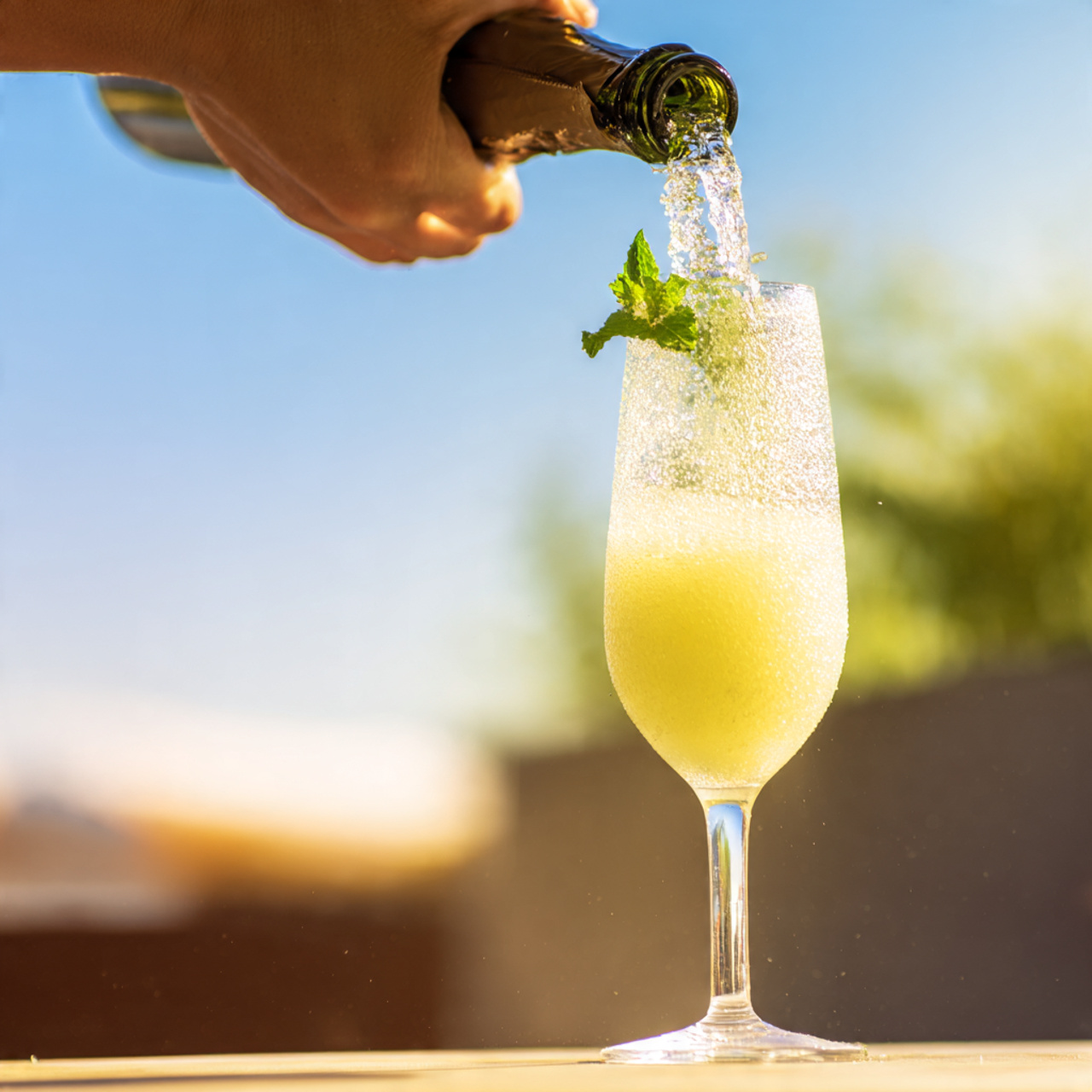
I first tasted the sgroppino venetian lemon cocktail by a canal, and the chill hit my mouth like a seaside breeze.
It’s an Italian cocktail built from three honest things: lemon sorbet, cold vodka, and Prosecco. The balance is all—texture, temperature, and bright acidity make this drink feel like a light dessert and a gentle digestivo at once.
I learned to whisk it by hand and to blend it for a silkier finish. Small tips matter: keep everything icy, serve in a chilled flute, and choose lively bubbles over cheap fizz. In the Veneto, each household and bar adds a tiny twist, so regional pride shapes how people enjoy this simple recipe.
Key Takeaways
- Originates in the Veneto and acts as both refreshment and ritual.
- Only three main ingredients—sorbet, vodka, and sparkling wine—yet technique creates the magic.
- Keep components very cold for the right slushy texture.
- Serve in chilled glassware with a minimal garnish like mint.
- Small regional tweaks exist; taste guides your adjustments.
- Make-ahead tips keep the slush smooth without turning icy or soupy.
Why this frosty Venetian classic belongs in your dessert-cocktail repertoire
After a long, rich meal I reach for a frosty, citrusy sip that resets the palate and lifts the mood. In Italy it’s often served as a digestif, and at home it becomes a bright finale that feels lighter than pastry yet still celebratory.
Serve it after dinner to cut richness with crisp italian lemon and gentle bubbles. It also works as a clean dessert when you want something sweet without heaviness on a hot summer day.
I use it between courses as a tiny sparkling pause. Guests perk up, flavors reset, and the next plate tastes fresher. For American entertaining, it’s easy to scale: keep sorbet chilled and prosecco cold, then whisk or blend in minutes.
- Example pairing: after seafood risotto or roasted chicken—the citrus cuts fat, the fizz lifts the finish.
- Party use: a conversation-starting italian cocktail that reads special but pours quickly.
Ingredient essentials for a silky, slushy sgroppino
For a reliable, silky slush I always start by choosing the right frozen base. The classic core trio is plain: bright lemon sorbet, ice-cold vodka, and a quality Prosecco or dry sparkling wine. Use a DOC or DOCG bottle when you can—better bubbles lift the aroma and finish.
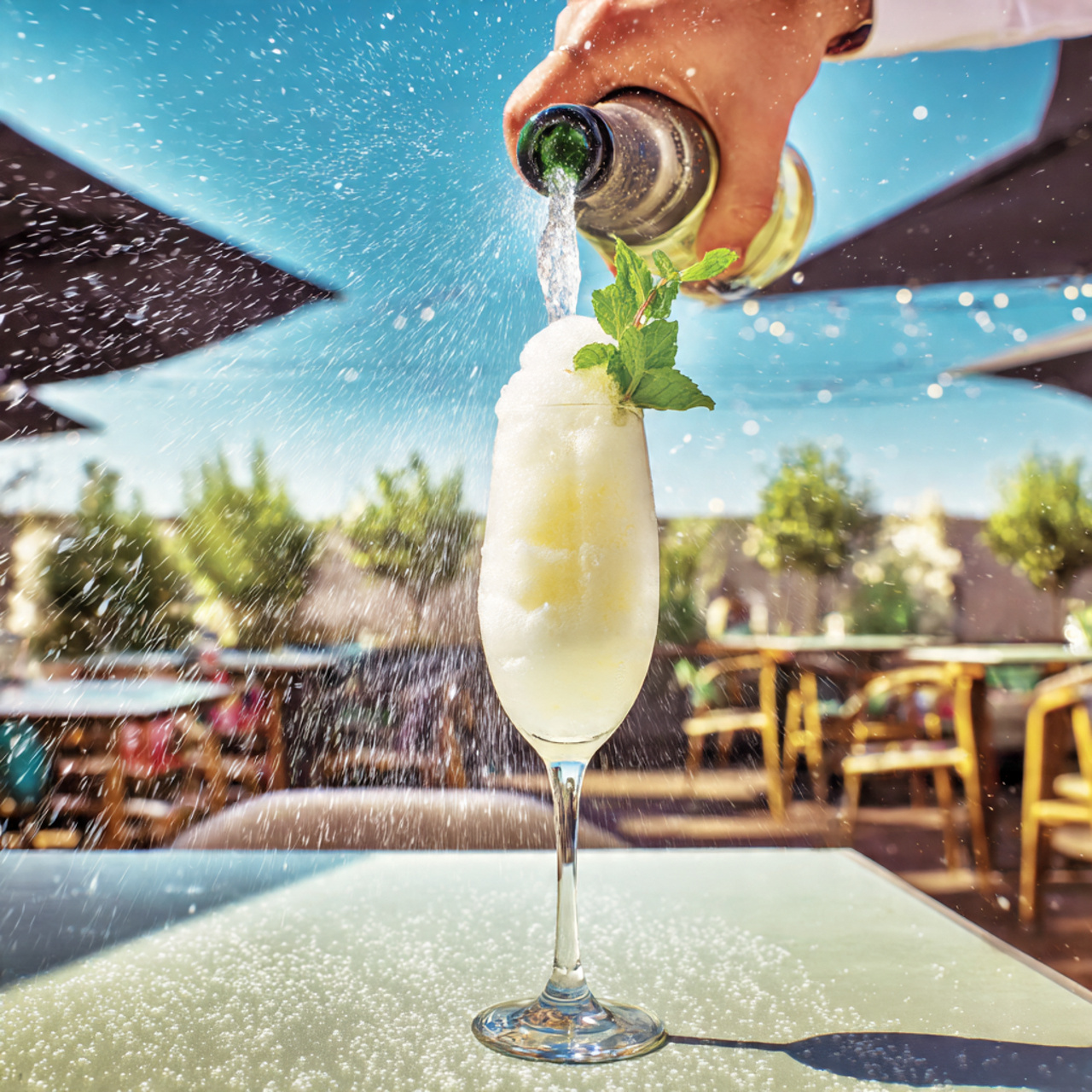
Core trio: frozen base, spirit, and bubbles
Pick a sorbet with clean citrus notes; it should sing through the fizz. Keep vodka in the freezer so it pours icy without diluting texture. Measure with a cup to keep ratios steady when you scale for guests.
Smart swaps and flavor boosts
If you want more silk, use lemon gelato or even ice cream—the extra fat and cream add body. Vanilla gelato works well if you add a splash of limoncello or fresh lemon juice to keep citrus vivid. Taste the sorbet first; sweetness varies by brand and will change how much spirit or prosecco you add.
Tools that make it effortless
- For small batches, a cold bowl and whisk yield a bar-style texture.
- Use a blender for an ultra-smooth result in seconds.
- Freeze portions in jars for easy holding without losing the slush.
Step-by-step: how to make sgroppino like they do in the Veneto
With chilled tools and a short burst of motion, you can make a restaurant‑style version in minutes. Below are two clear methods, timing cues, and quick fixes so you hit the right texture every time.
Blender method for ultra-smooth texture
Combine cold sorbet, chilled vodka, and a splash of Prosecco in the blender. Pulse 4–6 short bursts just until slushy and frothy—stop early to protect the bubbles. Total hands-on time: about 5 minutes.
Whisk method in a cold bowl for a bar-style finish
Chill a metal bowl in the freezer briefly. Add sorbet and whisk with half the Prosecco until smooth.
Whisk in vodka, then fold in the remaining Prosecco for an airy, slightly foamy finish. Use rapid, confident strokes; the colder the bowl, the better the result.
Make-ahead and freezer holding without losing the slush
- If you must hold it, spoon into airtight freezer jars. Alcohol keeps it from freezing solid.
- Before serving, give a quick shake, whisk, or a short pulse in the blender to restore the ideal soft slush texture.
- If using gelato, blend lighter and shorter to avoid over-aeration; add another scoop if the mix seems thin.
- One generous scoop per serving is a good start; adjust vodka and prosecco to taste.
| Method | Speed | Result |
|---|---|---|
| Blender | Fast (few pulses) | Silky, smooth texture |
| Whisk in bowl | Hands-on, brief | Light, bar-style froth |
| Holding tip | Short re-blend | Restores slush without diluting |
Work swiftly, keep everything icy, and taste as you go. These simple instructions give you a dependable recipe and the right consistency every time.
Pro tips that separate a good sgroppino from a great one
The difference between a pleasant frozen sip and a memorable one is simple: control the cold, aim for the right texture, and taste as you go. These are small habits that pay off every time I mix for friends.
Chill everything
Store vodka in the freezer and keep Prosecco iced before you pour. Cold glassware helps too. This slows melting while you finish the pour and keeps the slush vivid.
Nail the texture
A proper slush ribbons from a spoon and slides into the glass. Blend or whisk only until pourable. If it splashes thin, add more sorbet or a bit more frozen base.
Balance the booze
Start light with vodka, then nudge up after tasting. If the prosecco is very lively, fold it in last to preserve bubbles. Using gelato or cream increases fat, so boost citrus to keep the profile bright.
- Taste in the chilled glass. Small adjustments win over big ones.
- Want it stiffer? add spirit and counter with more frozen base instead of extra champagne.
| Tip | Why it matters | Quick fix |
|---|---|---|
| Freezer vodka | Stops dilution and keeps temperature | Freeze bottle ahead |
| Texture check | Ensures pourable slush, not soup | Add sorbet or short pulse |
| Prosecco handling | Preserves tiny bubbles and lift | Fold gently after blending |
Serving it right: when, what glass, and how to garnish
I love to bring out a frosty pour just as plates are cleared; it nudges conversation and brightens the air. Serve this after dinner as a light dessert or as a palate cleanser between courses. It works well on a warm summer day and feels just as welcome indoors at a holiday table.
Best moments to serve
My favorite time to pour is after dinner when everyone lingers. A small measure between courses lifts the palate during a tasting menu.
On a hot summer day, offer slightly larger pours outdoors and keep a chilled pitcher nearby for quick refills.
Glassware and simple garnishes
Champagne flutes look elegant and hold bubbles. White wine glasses feel relaxed and let aromatics unfold.
Chill the glass before you pour. Pour just below the rim so melting slush won’t drip. If you like it thicker, set a small spoon alongside.
- Garnish simply with a sprig of fresh mint, a tight lemon twist, or a basil leaf.
- Add a dash more vodka if you want a stronger edge; then top with a little sparkling wine to keep lift.
| Glass | Look | Function |
|---|---|---|
| Champagne flutes | Formal, columnar | Preserves bubbles and shows effervescence |
| White wine glass | Casual, open bowl | Reveals aroma, easier to swirl |
| Stemmed glass (short) | Relaxed, modern | Good for thicker pours and spoon service |
sgroppino venetian lemon cocktail variations and regional notes
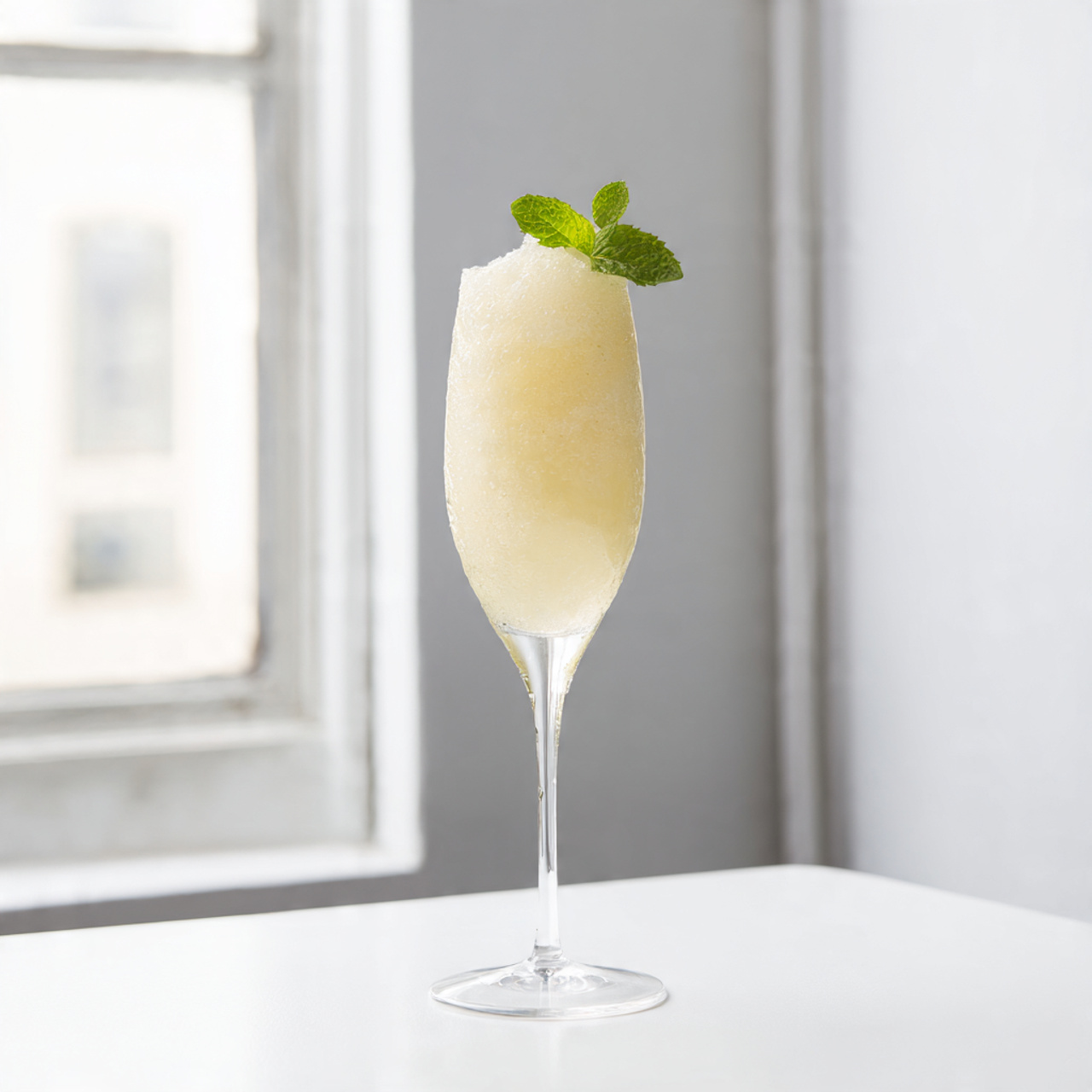
Variations honor the region while keeping the sip cold and bright. I like small swaps that respect the original purpose: a digestif to lift the palate after dinner.
For a sharper citrus profile, add a modest splash of limoncello or a squeeze of fresh lemon. That quick lift brightens gelato-based versions and keeps the mix from feeling too sweet.
Spirit and story
Historically, grappa appears in some tellings as the older spirit. Today I most often reach for vodka; it keeps flavor neutral so prosecco and italian lemon notes lead.
Creamier paths
Lemon gelato or plain gelato gives a rounder, silkier texture. If you use vanilla gelato, boost acidity so the citrus remains distinct. Watch the cream and fat; more richness can mute the fruit.
- Example: whisk lemon gelato with chilled prosecco, then nudge in limoncello to taste.
- Choose DOC or DOCG prosecco for delicate aromatics and better lift.
| Variation | Texture | Best use |
|---|---|---|
| Classic (sorbet + vodka + prosecco) | Light, slushy | After dinner digestif |
| Lemon gelato blend | Silky, rounded | As a cocktail dessert |
| Grappa or stronger spirit | Sharper, warmer | Traditional regional touch |
From first sip to last spoonful: make it, serve it, savor it
A quick whisk or a few blender pulses yields a silky, refreshing finale your guests will smile about.
Gather cold ingredients: lemon sorbet, frozen vodka, and a chilled bottle of Prosecco or sparkling wine. The hands-on time is about five minutes—measure with a cup, pulse or whisk until slushy, then taste and tweak.
If you make a batch ahead, spoon it into freezer-safe jars. Alcohol keeps the mix pliable; re-blend briefly before serving so the texture feels fresh. Pour into chilled flutes or wine glasses and add a tidy garnish like fresh mint or a small twist.
Follow this simple recipe and you’ll make sgroppino that reads light, bright, and unforgettable—a dessert and a drink in one.
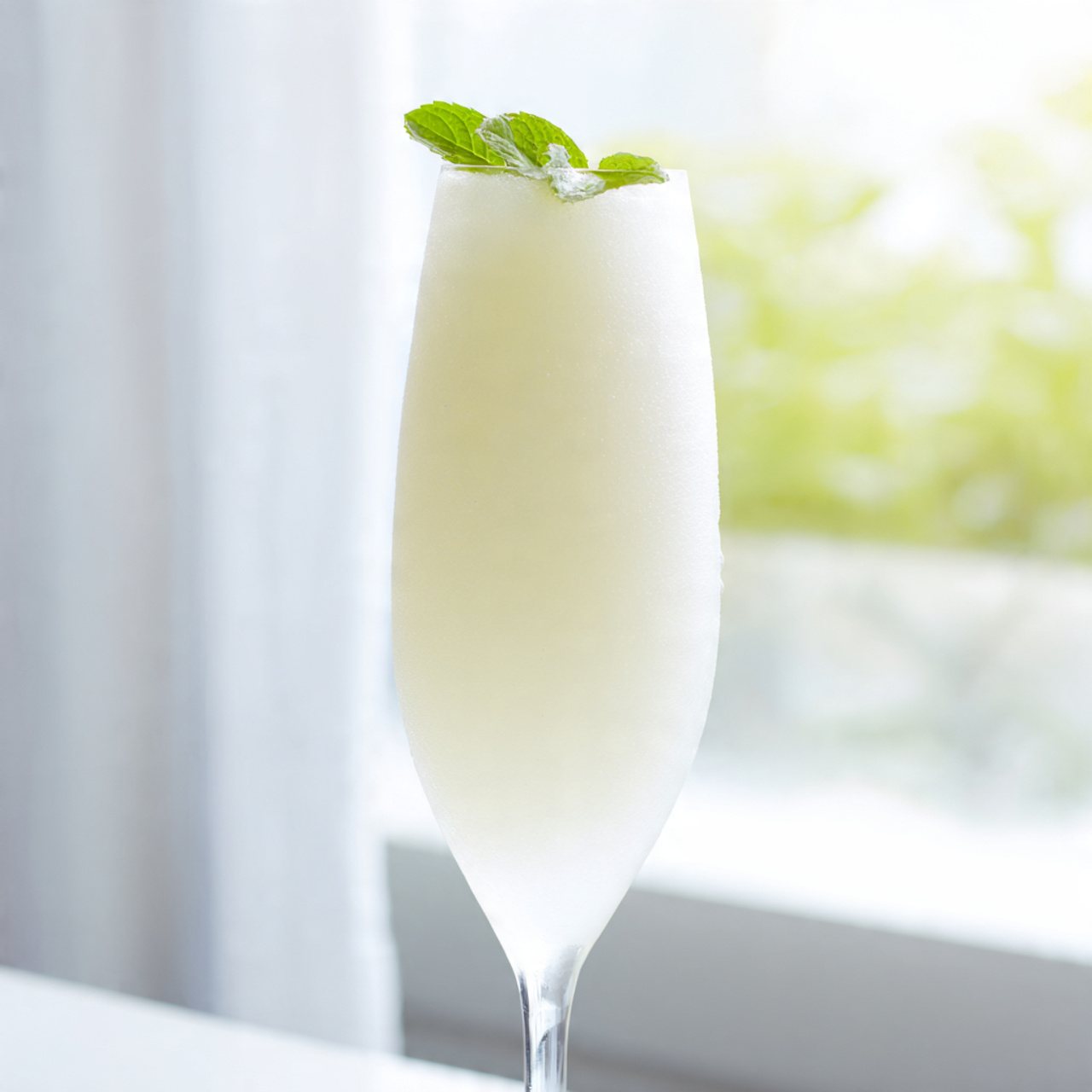
Sgroppino – Venetian Lemon Cocktail
Ingredients
Method
- Add the cold lemon sorbet, vodka, and 1–2 oz Prosecco to the blender.
- Pulse 4–6 short bursts. Stop as soon as it turns slushy and light.
- Pour into chilled flutes or wine glasses.
- Top with a little more Prosecco and garnish with mint or lemon twist.
- Chill a metal bowl in the freezer for 10 minutes.
- Add sorbet and whisk with half of the Prosecco until smooth.
- Whisk in the vodka.
- Fold in the rest of the Prosecco gently to keep bubbles.
- Pour into chilled glasses and garnish.
- Mix sorbet + vodka and freeze in jars.
- Right before serving, loosen the mixture and fold in chilled Prosecco.
Notes
- Keep everything very cold—that’s the difference between a watery mix and a perfect slush.
- Always taste before pouring; small tweaks make the drink brighter or smoother.
- Add a little extra sorbet if the texture gets too thin or a touch more Prosecco if it’s too thick.
- A splash of limoncello boosts citrus without changing the character of the drink.