
Jump to Recipe
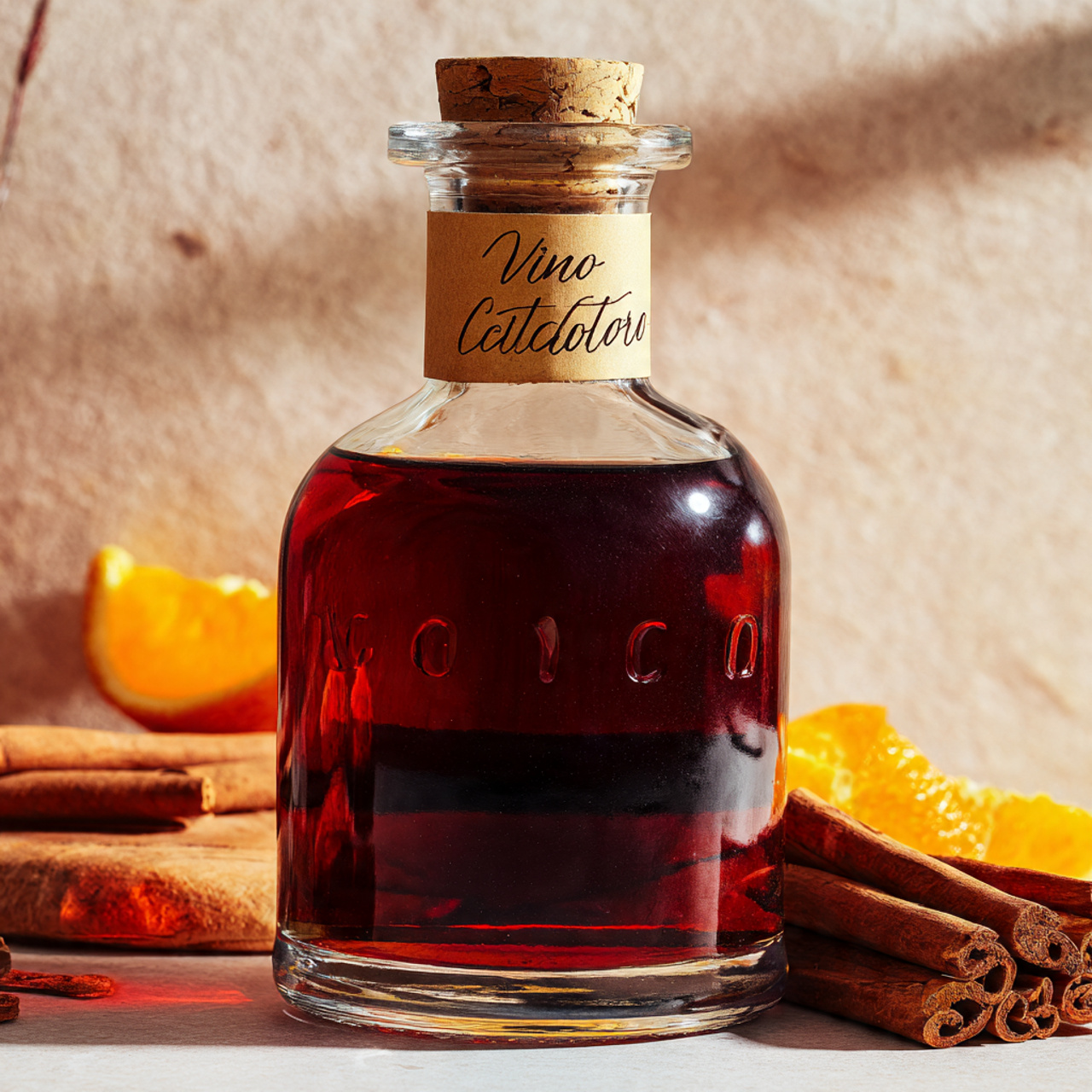
I still remember the first time I tasted that small, amber pour—vino cotto winter drink italy—and felt the scent of harvest and wood smoke wrap around me like a blanket.
At the kitchen table, this is the kind of glass that invites slow conversation: a syrupy, rounded wine that carries notes of roasted chestnut, orange peel, and the bright memory of pressed grapes.
Here I’ll share what makes the real thing different from spiced mulled wine, the simple stages of a traditional recipe, and a quicker home method so you can choose how deep to go.
We’ll cover tools, timing, and serving tips rooted in regional history and family practice, so you feel confident making and sharing a small glass that honors an old craft.
Key Takeaways
- Vino cotto is a reduced, aged must with a sweet, rounded profile.
- The classic method cooks must down to about one-third, then ages it in barrels.
- A quick kitchen recipe uses fruity red wine, sugar, and spices for a similar result.
- Serve in small glasses with chestnuts, cantucci, or aged cheeses for best pairing.
- Choose heavy pots; patience and gentle heat preserve aroma and color.
What makes vino cotto a beloved winter warmer in Italy
A modest pour from a household barrel can turn a plain table into a quiet celebration. In Le Marche, families bring out that cooked wine as the air cools and gather in the kitchen to share simple food after a long day.
The aroma is immediate: wood smoke, roasted chestnuts, and the bright memory of fresh grapes. The flavor lives between delicate caramel and dried fruit, with a lively edge that keeps it from feeling heavy. We sip it slowly, often in small glasses with castagne, cantucci, or sharp pecorino.
Part of the appeal is ritual. At harvest times someone opens a small cask and pours enough to mark the moment. Today a few small producers bottle aged versions while many families still make a little for their own table.
- Served at the end of a meal in late season and early spring, not as a dessert but as a soft finish.
- Pairs best with rustic dishes where bread, cheese, and nuts lead the conversation.
- Encourages slow talk—its strength is in restraint, not sugar shock.
| Pairing | Occasion | Flavor Note |
|---|---|---|
| Aged cheese & toasted bread | Holiday evenings | Caramel, dried fruit |
| Roasted nuts & cantucci | After harvest meals | Smoky, fresh grape |
| Small pours from oak | Family gatherings | Soft, savory-sweet |
Ingredients, tools, and grape choices for authentic results
Good results hinge on ingredients and tools—choose grape must if you can, or a fruity red wine as a kitchen-friendly substitute. Fresh must (mosto) gives the real texture; a medium-bodied Montepulciano or Sangiovese echoes regional character.
Sweetness is flexible. Start with 1–2 tablespoons of sugar or 1 tablespoon of honey per cup of must or wine, taste as it reduces, and adjust. Aromatics are optional: a cinnamon stick or a slice of ginger adds nuance, but many families skip spices to let the fruit sing.
Traditional copper cauldrons were used over wood. At home, pick a wide, heavy-bottomed pot in stainless or enameled cast iron to avoid scorching. Use a long spoon, fine-mesh strainer, and clean bottles for storage. If you use copper, confirm it’s food-safe and well maintained.
- Authentic start: grape must from a local press when possible.
- Substitute: fruity Montepulciano, Sangiovese, or a quality blend.
- Tool tip: wide pot encourages steady evaporation and control.
| Item | Why it matters | Simple swap |
|---|---|---|
| Grape must | Gives classic body and authentic flavor | Fruity red wine (Montepulciano/Sangiovese) |
| Copper cauldrons | Even heat and tradition; rapid evaporation | Wide heavy-bottomed pot (stainless/enamel) |
| Sugar or honey | Balances acidity; custom sweetness | Adjustable—start small and taste |
Step-by-step: how to make cooked wine at home, from must to glass
Ready to try a hands-on recipe? Start by choosing your base and plan for slow, careful reduction. I prefer a wide pot so evaporation is steady and I can watch volume closely.
Prepare the must or wine
If you have fresh must, place it in the pot and measure the starting volume. If not, pick a fruity red wine and note the liters or cups so you can track reduction precisely.
Labeling your jar with the start volume helps you hit the target reduction every time.
Slow reduction on gentle heat
Keep the initial simmer gentle—steady heat gives clarity and avoids harsh, burnt notes. Traditional cooks simmer must 10–12 hours, stirring and skimming foam often.
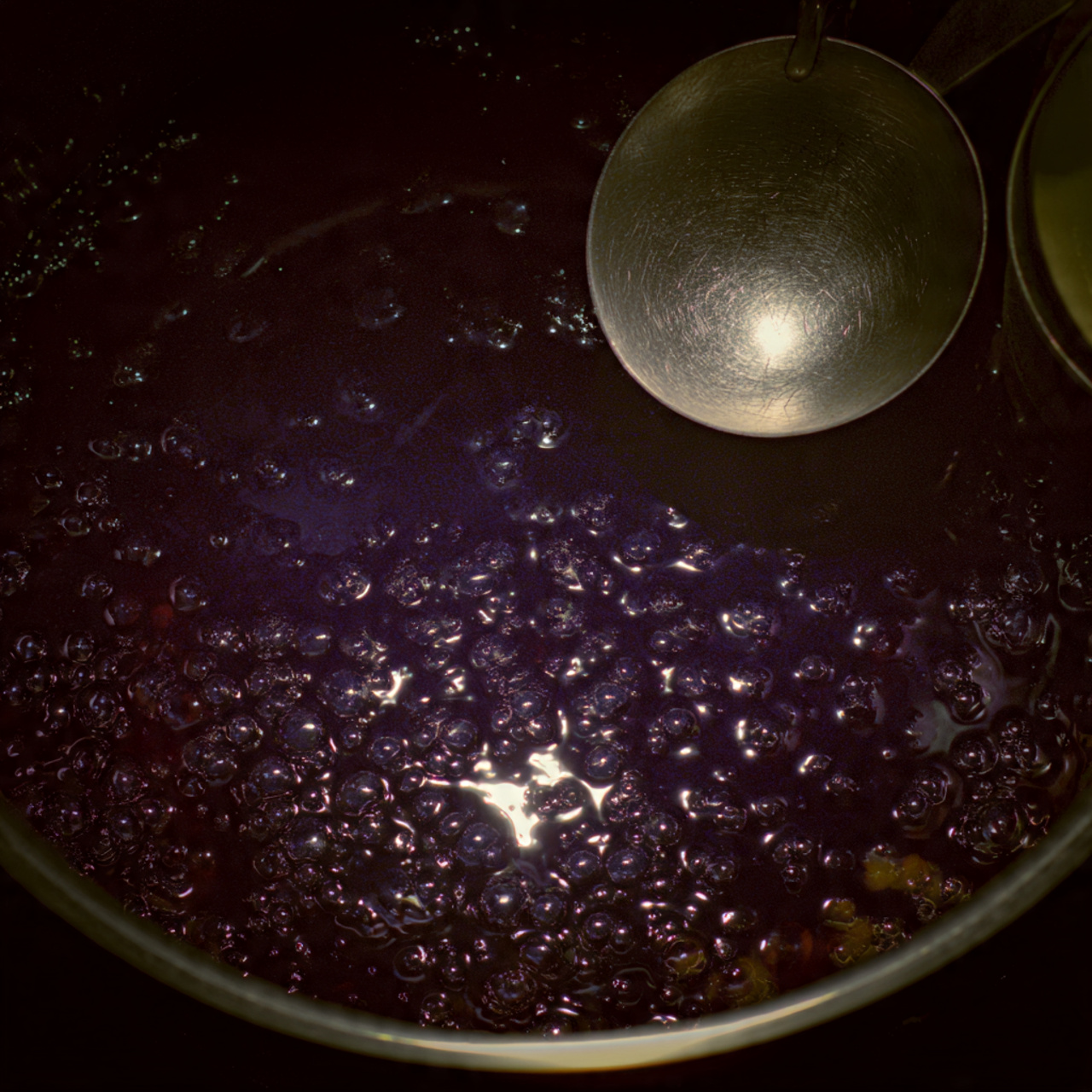
For a quick method, reduce wine with a small amount of sugar or honey over medium-low heat to about one-fourth volume in roughly 30 minutes. Watch the liquid darken and bubbles shrink; these cues mean sugars are concentrating.
Finish like tradition
Add aromatics in the last 5–10 minutes to preserve their freshness, then strain through a fine sieve. Cool completely before you place the liquid into clean glass bottles; warm bottles trap steam and dull the aroma.
Aging option
For depth, transfer to a small glass demijohn or neutral oak with minimal headspace. Traditional makers age in small barrels; aging softens sharp edges and lets flavors round.
- Safety tip: never leave a slow simmer unattended for long; cool pans on a heatproof surface before bottling.
- Sensory markers: amber-brown color, richer aroma, and a syrupy coating on a spoon signal readiness.
| Step | Traditional | Quick kitchen method |
|---|---|---|
| Start | Fresh must; wide pot; measure volume | Fruity red wine; measure volume; add sugar or honey |
| Cook time | 10–12 hours; gentle simmer; frequent skimming | ~30 minutes; medium-low heat; stir to prevent burning |
| Target reduction | Reduce to ~1/3 volume; age in barrel | Reduce to ~1/4 volume; refrigerate up to 3 months |
| Finish | Optional aging in oak; label date and start volume | Strain, cool, bottle; label and chill |
Understanding the process: reduction, sweetness, and stability
Slow evaporation does more than thicken liquid; it sculpts aroma, mouthfeel, and shelf life. This process concentrates grape solids so the reduced liquid gains body, color, and a soft sweetness.
Why one-third matters
A reduction to about one-third drives off water and leaves a denser texture. Sugar and tannin concentrate, which builds a lingering finish without added sweeteners.
Heat, microbes, and long aging
Gentle heat preserves fresh fruit notes while coaxing gentle caramel tones. Too much heat risks scorch and bitterness, so control matters at all times.
Boiling also lowers microbial load. That step explains how small producers can place the result into used oak barrels and age it for years with confidence.
- Small-scale production often blends batches to keep flavor steady from year to year.
- Traditional copper pots speed evaporation but need careful use to avoid off tastes.
- Clean straining and sterile vessels prevent haze and unwanted aromas as it matures.
| Action | What it changes | Outcome |
|---|---|---|
| Reduce to ~1/3 | Concentrates sugars and solids | Syrupy body, longer finish |
| Gentle simmer | Preserves fruit, avoids bitterness | Cleaner aroma and flavor |
| Aging in oak barrels | Slow oxygen, subtle rounding | Complexity after years |
How to serve vino cotto in winter
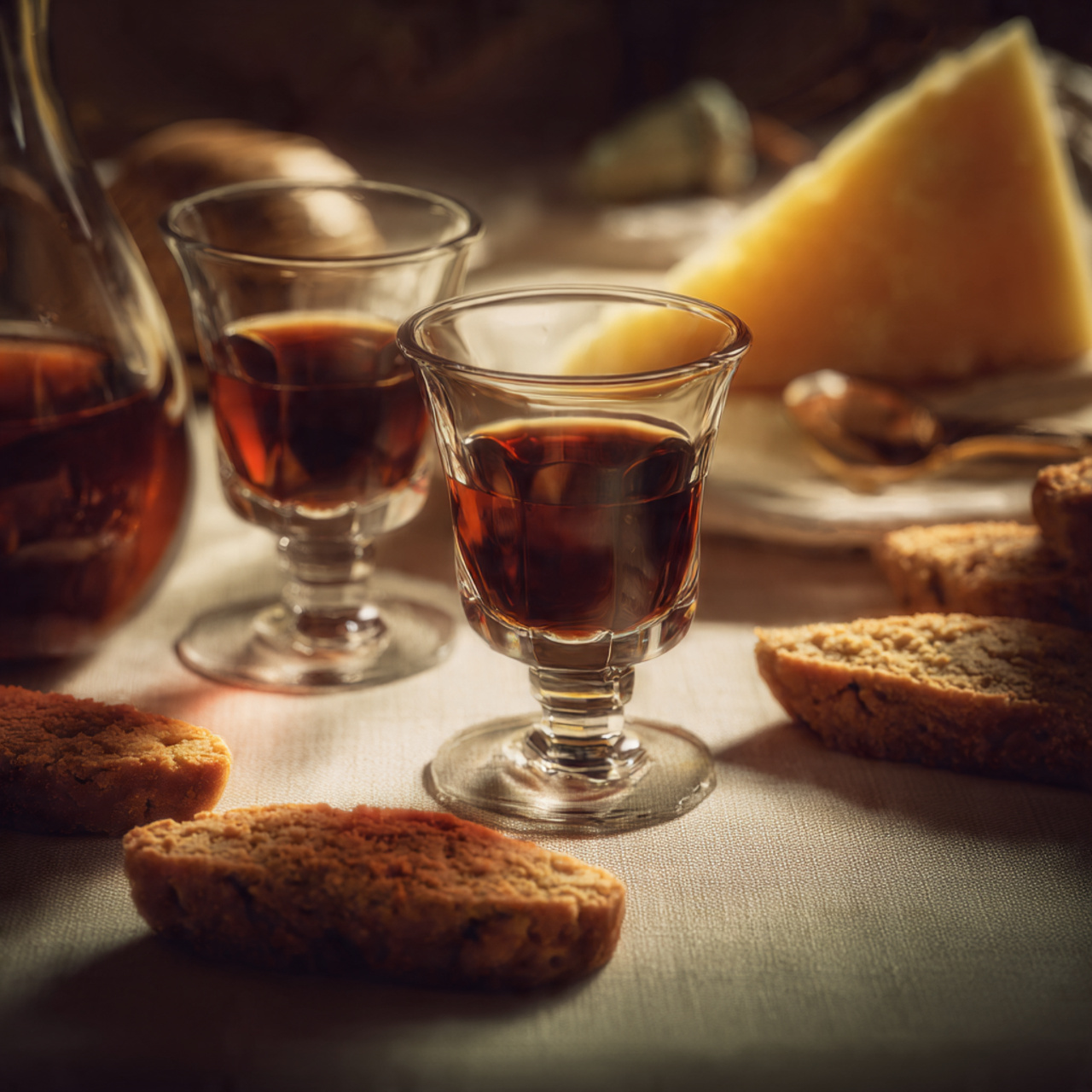
A gentle pour into tulip-shaped glasses signals the end of a meal and the start of stories. Small glasses help the aroma gather and make each sip a quiet moment.
Serving tips and simple pairings
Serve slightly below room temperature so the warm spice notes open up. Keep pours modest; this is a sipper meant for the end of dinner.
- Match with roasted chestnuts, cantucci, or a wedge of aged pecorino or Parmigiano — salt and nuttiness balance subtle sweetness.
- Try a drizzle of honey on fresh ricotta with a tiny glass for an easy, rustic dessert that feels special.
- Offer not-too-sweet desserts such as almond biscotti or gently spiced cakes so the wine remains the star.
- In early spring, serve after a hearty stew or braised dishes; the warmth and acidity lift rich flavors.
- Make it a family ritual: share a small pour by the hearth and invite conversation.
| Serving Option | Pairing | Why it works |
|---|---|---|
| Tulip glass, small pour | Roasted chestnuts | Concentrates aroma; chestnut earthiness echoes grape notes |
| Tiny carafe, ricotta plate | Fresh ricotta + honey | Soft cheese and honey amplify gentle sweetness without cloying |
| After a heavy meal | Braised meats or stew | Acidity and warmth cut richness and refresh the palate |
| Tasting flight | Different ages or grapes | Highlights subtle variations and invites discussion |
Vino cotto, vincotto, sapa, and fig “vincotto”: what’s the difference
When a recipe asks for vin or a reduced product, the choice matters. Some of these are meant for sipping, others for spooning. I’ll walk you through the names so you pick the right thing for your dishes and desserts.
Vino cotto versus vincotto
Vino cotto is a drinkable cooked wine made from reduced grape must, often aged in small barrels. Think of it as a small glass after dinner, not a glaze.
Vincotto usually refers to a thick, pourable syrup made from unfermented cooking must. In modern kitchens, cooks sometimes reduce red wine with a little sugar and spices to mimic that syrupy profile.
Sapa (or saba)
Sapa or saba is a dense must reduction from Emilia-Romagna, Marche, and Sardinia. It’s cooked down about two-thirds and sometimes finished in wood, prized as a condiment over cheese and in sauces.
Fig “vincotto”
Fig vincotto contains no grapes. Figs are cooked with water, strained, and reduced to a caramel-fruited syrup used widely in Puglia and Basilicata for pastries and sweets.
- Reserve the drinking, aged product for small pours; use syrups as glazes or in dough for mostaccioli and other pastries.
- Check texture: a liquid that coats a spoon is a syrup; a bottled, corked product meant for sipping is a wine.
- Know the process behind each product to substitute thoughtfully without losing structure or flavor.
| Product | Texture | Typical use |
|---|---|---|
| Vino cotto | Drinkable, aged | Small pours after a meal |
| Vincotto | Thick syrup | Glazes, dough, desserts |
| Sapa / Saba | Dense reduction, wood-finished | Condiment, cheese, sauces |
| Fig vincotto | Caramel-fruited syrup | Pastries like cartellate |
Roots and rituals: the history behind the vino cotto winter drink italy
Generations in Le Marche kept a slow, careful routine after harvest that tied the fields to the family table.
Long before Rome refined its recipes, the Piceni cooked must by fire. Roman agronomic texts later described similar methods, so the practice shows up across times as a working technique, not a legend.
In farmhouse courtyards the post-harvest work was communal. Families set wide pots and copper cauldrons over wood, stirred for 10–12 hours, and skimmed foam until a dense syrup remained.
Once reduced, the liquid moved into barrels to rest, often for five years or more. That aging rounded harsh edges and turned simple grape juice into a glass that marked the year’s labor.
- It ties production to place and to seasonal festivals in autumn.
- Chestnut fairs and family tables still celebrate the end of harvest.
- Modern makers blend old craft with safer, steadier temperatures for consistent results.
| Era | Practice | Why it mattered |
|---|---|---|
| Piceni & early times | Cooked must by fire | Laid groundwork for later regional traditions |
| Roman period | Documented in agronomy texts | Shows continuity and refinement |
| Le Marche & Abruzzo | Copper cauldrons, long simmer, barrels | Connected fields, families, and preserved the grape harvest |
Troubleshooting, storage, and smart make-ahead tips
When the aroma fades or the pot sticks, simple fixes can save an entire batch and your evening. Below I share fast, practical steps I use in the kitchen and clear storage guidance so your small production feels safe and steady.
Fixing common issues
- If you catch scorching early, lower the heat, move the liquid to a clean pot without scraping the burnt layer, and strain. Prevention: use a heavy-bottomed pan and stir regularly.
- Too-thick reduction? Thin with a splash of the same wine, warm gently for a few minutes, and check texture again.
- Muted aroma often means too-violent boiling. Next time, ease the heat and extend the time so delicate notes stay intact.
- For quick syrup-style results, a bit of honey or sugar added near the end brightens the finish—taste as you go.
Storage that lasts
Pour into sterile bottles while the liquid is warm—not piping hot—to avoid condensation. Label each bottle with date, start volume, and target reduction so future batches learn from past time and choices.
- A quick syrup kept in the fridge will hold up to 3 months; wipe threads and keep caps clean to prevent crusting.
- For longer aging at home, use very clean glass vessels or a neutral cask, minimize airspace, and store cool and dark.
- Traditional aging in oak barrels adds depth over years, but a few months in glass today still helps flavors knit.
| Issue | Fix | When to use |
|---|---|---|
| Scorching | Lower heat, transfer, strain | Immediate |
| Over-thick | Thin with same wine, warm gently | Minutes |
| Muted aroma | Next batch: gentler heat, longer time | Future production |
Raise a small glass: a cozy tradition you can make your own
Set aside a tiny bottle in your pantry and watch how a modest pour reshapes an ordinary meal into a ritual. Keep one bottle ready to open at the end of a meaningful supper.
Making vino cotto connects you to harvest rhythms and the patient work that yields a year’s gentle flavor. A home batch or a simple cooked wine done with care becomes part of your food story.
Share small glasses with family in autumn and spring. Try a drizzle of honey on cheese, sit by a warm fire, and let the pause at the end of the meal matter.
Treat the process as a living craft—each bottle teaches you something new. When you lift that glass, breathe: the fields, the hands, and the kitchen have all come together.
Vino Cotto (Italian Cooked Winter Wine)
Ingredients
Method
- Pour the fresh grape must into a wide, heavy pot. Note the starting volume.
- Bring the must to a soft simmer over low heat. Do not boil hard. Stir every now and then and skim off any foam.
- Let it cook for 10–12 hours on low heat until it reduces to about one-third of the original volume. Watch the color deepen to amber-brown.
- In the last 5–10 minutes, add the cinnamon stick or orange peel if you want extra warmth.
- Pour the hot liquid through a fine strainer to remove solids. Let it cool completely.
- Transfer to clean glass bottles or a small oak barrel. You can age it for months for deeper flavor, or enjoy it right away.
- Pour the bottle into a wide pot. Add sugar or honey.
- Let it bubble at a low simmer for about 30 minutes, stirring often.
- Cook until the wine reduces to roughly ¼ of the starting amount and coats a spoon.
- Add the cinnamon stick or orange peel in the last few minutes.
- Strain into a clean glass bottle, cool fully, and refrigerate.
Notes
- Always keep the heat gentle. Hard boiling can burn the sugars and make the drink taste bitter.
- A wide pot makes the liquid reduce faster and gives more control.
- If you notice any scorching, immediately transfer the liquid to another pot without scraping the bottom.
- This drink is meant for small sips, not big glasses. Its flavor is rich and concentrated.
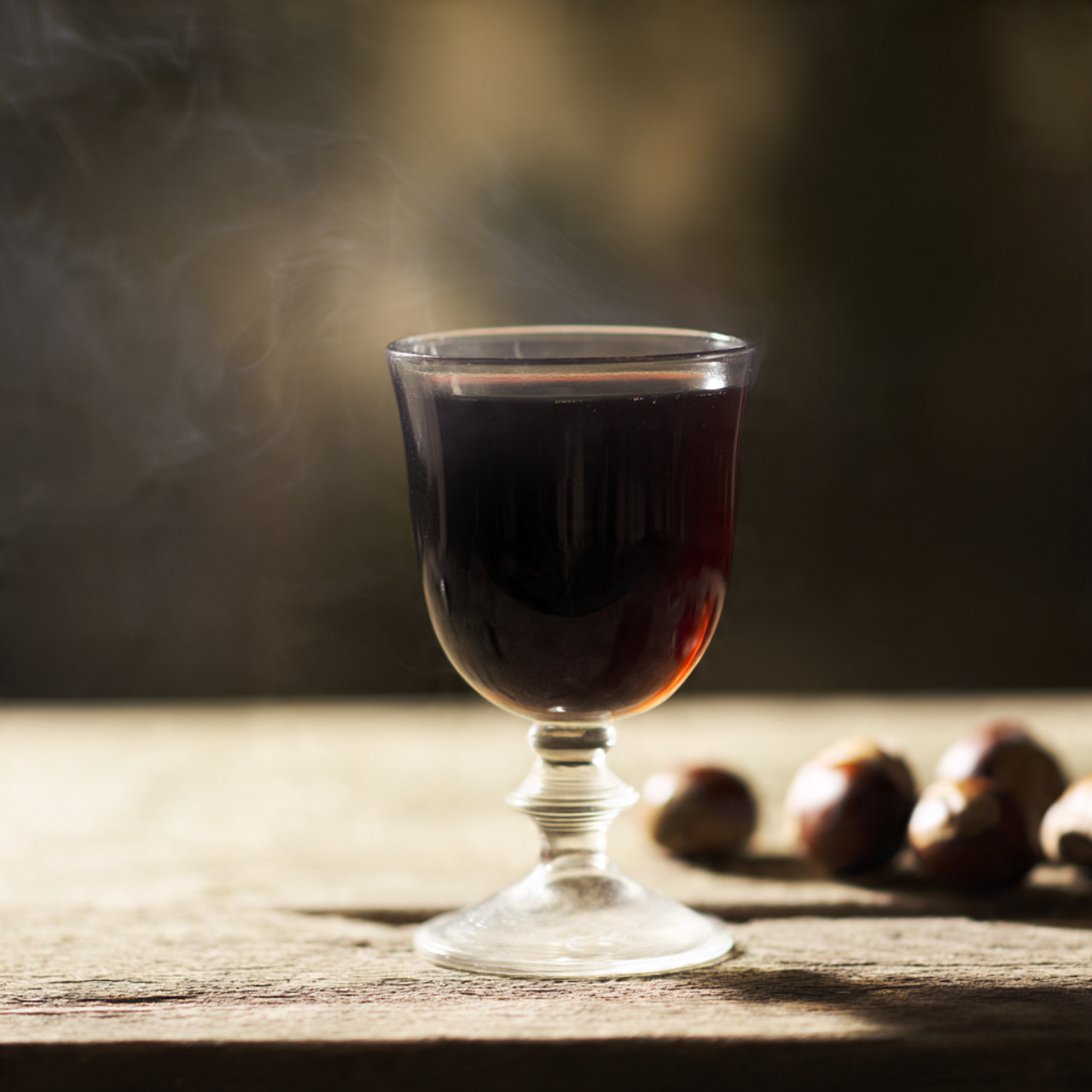
- Serve slightly warm or just below room temperature for the best aroma.
- It pairs beautifully with roasted chestnuts, biscotti, aged cheese, or simple rustic desserts.