
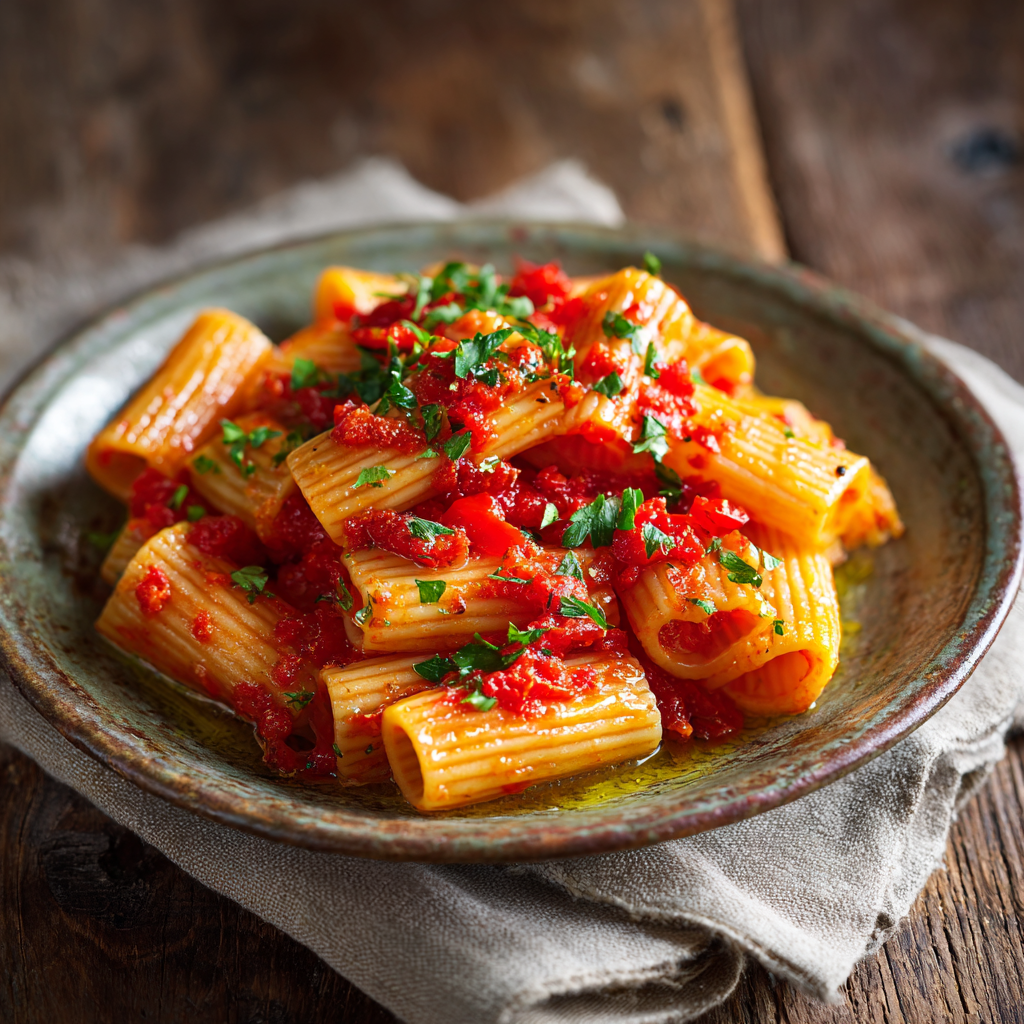
Jump to Recipe
I learned this peperonata in a small Calabrian kitchen where patience, good olive oil, and ripe peppers turn simple things into deep flavor. The first time I stirred that pan I smelled sunshine and summer—soft peppers, sweet onions, and tomato passata melting together.
I will guide you like a friend at the stove: choose a wide pan, low heat, and steady hands. You’ll learn timing cues, texture checks, and quick fixes so the sauce stays silky, not bitter.
Make a big batch on Sunday and watch it improve a day later; serve it warm beside grilled meat or spoon it over pasta for an effortless weeknight lift. By the end you’ll have a comforting, versatile dish that carries the soul of home cooking.
Key Takeaways
- Start with ripe peppers and good olive oil for true depth of flavor.
- Cook low and slow—texture cues matter more than exact minutes.
- This dish shines both warm and at room temperature; it improves after resting.
- Use a wide pan and gentle heat to avoid bitterness or sticking.
- Make extra for easy meals across the week—versatile from pasta to toast.
What makes Calabrian peperonata special right now
When peppers are at their peak, a few humble ingredients can create something that tastes like sunshine. In the U.S. summer produce mirror this timing, with sweet peppers at their best from June through September.
Calabrian kitchens keep things simple. A mix of peppers, onions, garlic, and passata simmers slowly until the vegetables become soft and cohesive. Gentle heat brings out natural sweetness and deepens flavor without fuss.
Simple summer vegetables, big Southern Italian flavor
At peak ripeness the stew needs little seasoning. I often cook it early and let it rest, which helps the aromas open and the taste to settle.
Why many Italians serve it warm or at room temperature
Serving at room temperature lets the sauce relax. The contrast works well as a side dish beside grilled meats or fish, where cooler stew cuts through richness.
- I plate it ahead so I can focus on guests.
- Resting time often improves the overall taste the next day.
- In hot weather, room temperature serving keeps the meal light and easy.
| Temperature | When to serve | Benefit |
|---|---|---|
| Warm | Right after simmering | Comforting and aromatic |
| Room temperature | After a short rest | Aromas open; balanced taste |
| Chilled briefly | Hot days | Refreshing contrast with grilled mains |
Ingredients that build authentic flavor
The right ingredients make a simple stew feel like home. I choose each item for clarity of flavor and ease of cooking. Below are the essentials and the pro tips I use every time.
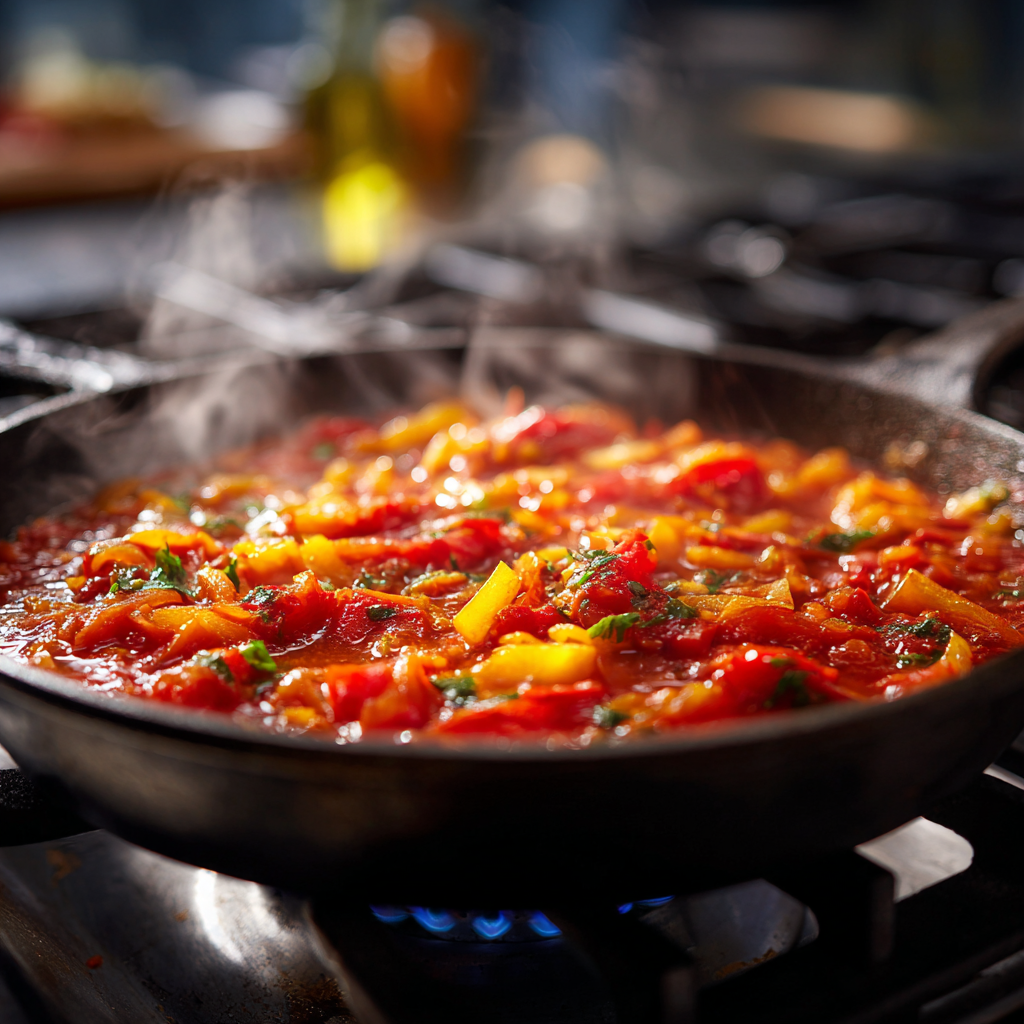
Bell peppers: choosing red, yellow, or orange for natural sweetness
Pick bell peppers that feel heavy for their size and have smooth, glossy skin. Red peppers give the most sweetness, followed by yellow or orange. Avoid green peppers — they add bitterness instead of sweetness.
Onions and garlic: sweet onions, Tropea if you can find them
Use sweet onions when possible. If you find Tropea onions, grab them; their gentle bite suits slow cooking. Add fresh garlic to the oil first so it perfumes without burning.
Tomato passata vs. tomato paste with water
Good tomato passata makes a cleaner sauce. If you don’t have passata, mix 1/3 cup tomato paste with 2/3 cup water for a reliable stand-in.
Extra virgin olive oil and a dash of wine vinegar
A generous pour of extra virgin olive oil gives body and sheen. Finish with a splash of wine vinegar at the end so the aroma stays bright.
Salt, black pepper, and a bit of sugar to balance
Season gradually with sea salt and freshly ground black pepper. A pinch of sugar rounds the tomatoes and highlights the peppers’ natural sweetness.
- Choose ingredients with care; time and low heat do the rest.
| Item | Choice | Notes |
|---|---|---|
| Passata | Thick, clean-tasting | Best for pure tomato flavor |
| Paste + water | 1/3 cup paste + 2/3 cup water | Dependable substitute |
| Finishing touch | Wine vinegar & sugar | Add at end to brighten and balance |
Essential equipment and prep for success
The setup matters more than fancy tools. I pick a wide skillet or sauté pan so the peppers have room to soften without steaming into mush.
A well-fitting lid keeps moisture in for a gentle simmer. If your lid traps too much steam, tilt it slightly to control condensation and steady the temperature.
Hands-on prep tips
Use a sharp knife for even slices. Even pieces cook at the same rate and give a consistent texture.
Preheat over medium-low heat. This dish rewards patience; higher heat risks burning the sugars in the onions.
- I lay out peppers, onions, garlic, and passata so I can build flavor without stopping.
- If your pan is thin, lower the flame to avoid hot spots that scorch.
- Keep a small bowl of water nearby; a splash loosens fond without diluting flavor.
- Use a wooden spoon for gentle stirring and a clean tasting spoon to adjust seasoning as you go.
| Tool | Why it matters | Quick tip |
|---|---|---|
| Wide skillet / sauté pan | Gives peppers room to soften evenly | Choose heavy-bottomed if possible |
| Fitting lid | Maintains a gentle simmer and retains moisture | Tilt to control condensation |
| Sharp knife | Ensures even slices for uniform cooking | Keep a towel and tasting spoon nearby |
Peperonata Calabrese recipe, step by step
Stand beside me at the stove and I’ll walk you through each simple, confident step. These directions use clear timing cues and sensory checks so you know when the dish is right.
Sweat the onions in extra virgin olive oil
Warm a generous splash of olive oil in the pan over gentle heat. Add sliced onions with a pinch of salt and cook about 5 minutes until glossy and starting to slump.
Add peppers and garlic; keep stirring occasionally
Add the garlic and cook another 5 minutes, keeping it pale so it perfumes without turning bitter. Tumble in the peppers and toss; after 6–8 minutes they will wilt and release juices.
Stir in passata, cover, and simmer until tender
Pour in passata and season lightly with salt and black pepper. Cover and simmer 20–30 minutes, checking every few minutes so the peppers become tender but not collapsed.
Finish with vinegar and a touch of sugar, adjust seasoning
Uncover, add a dash of wine vinegar and a touch of sugar to balance acidity. Taste and adjust salt gradually. Let it rest a few minutes off the heat so the sauce thickens and aromas bloom.
- If anything sticks, lower the heat and scrape gently; one tablespoon of water lifts fond without diluting flavor.
- This recipe is forgiving—serve warm or hold for later; flavors often deepen after a short rest.
| Step | Timing (minutes) | Texture cue |
|---|---|---|
| Sweat onions | 5 | Glossy, starting to slump |
| Garlic + peppers | 5 + 6–8 | Pale garlic; peppers wilt and release juices |
| Simmer with passata | 20–30 | Tender but intact peppers |
Timing, heat, and texture: cooking like a nonna
The trick is temperature control: gentle warmth teases out sweetness without charring. I keep the flame at medium-low and watch the pan, not the clock. That steady temperature pulls flavor from the peppers while keeping the sauce bright.
Medium-low is your ally
When you smell sharpness or see browning at the edge, lower the heat. Let the vegetables sigh, not scream. Around 20 minutes check for tenderness and adjust for another few minutes if you want silkier results.
When to add a splash of water
If bits stick, add a tablespoon or two of water. It loosens fond without diluting flavor. Cook off the extra moisture on low heat and return the pan to its gentle pace.
- Keep the lid on to speed softening; uncover near the end to concentrate aroma.
- Stir occasionally; constant stirring prevents proper caramelization.
- Trust sight, smell, and a fork test—sweet and savory, never acrid.
| Issue | Fix | When |
|---|---|---|
| Edges browning | Lower heat | Immediate |
| Sticking | 1–2 tbsp water | Anytime during cooking |
| Too watery | Uncover and simmer | Last 5–10 minutes |
Smart substitutions and pantry swaps
Even when the shopping list is short, you can protect flavor and texture with a few steady swaps. I keep a couple of pantry staples that stand in without changing the character of the dish.
Passata alternatives and vinegar options
If you’re out of passata, whisk 1/3 cup tomato paste with 2/3 cup water for a smooth base that cooks in like passata. Use fresh, seeded tomatoes if you prefer a rustic finish—grate or crush them and simmer until pulpy.
Using roasted peppers if skins bother you
Jarred roasted peppers are a gentle option for folks who find skins hard to digest. Rinse and pat them dry, then add near the end and simmer softly so they keep texture without falling apart.
- White wine vinegar is classic; balsamic adds rounder sweetness—start with a teaspoon and taste.
- If olive supply is light, any decent extra virgin works; technique matters more than brand.
- Want a looser sauce? Add a few spoonfuls of water and reduce uncovered to the texture you like.
| Substitute | When to use | Tip |
|---|---|---|
| Tomato paste + water | No passata on hand | Blend 1/3 cup paste + 2/3 cup water for a smooth base |
| Jarred roasted peppers | Skin sensitivity or convenience | Rinse, pat dry, add late; simmer gently |
| Fresh tomatoes | Want rustic texture | Seed, grate, and cook down until pulpy |
These swaps keep the spirit of the peperonata recipe while letting your pantry decide the path. Taste as you go and adjust vinegar or sugar to keep balance.
Flavor variations across Southern Italy
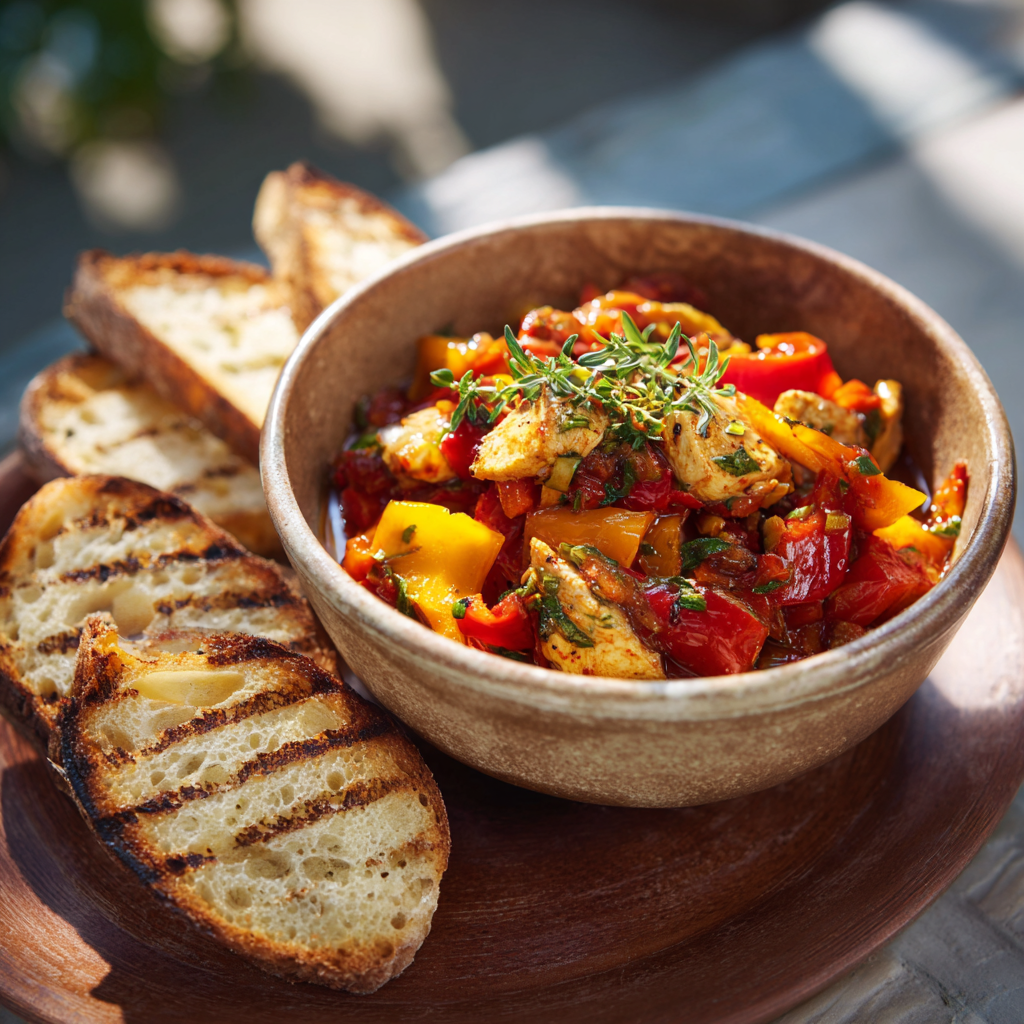
I like to think of this sauce as a blank canvas for whichever vegetables are ripe that week. Small, thoughtful tweaks let you travel the South of Italy from your stove.
Hearty summer additions
Add chunky zucchini or eggplant when the peppers go in. They soften with the pepper and build a fuller side dish without extra fuss.
Potatoes and spicy notes
Cube potatoes 1/2-inch and simmer them in passata until creamy. For heat, stir in red pepper flakes or a diced hot pepper to taste.
Briny and herb finishes
Fold in olives and capers near the end so their flavor stays bright. A pinch of dried oregano with the sauce deepens the tomato base.
Fresh finishing greens
Finish with chopped basil for perfume or parsley for freshness. Both lift the pan and make the final bite sing.
- I sometimes toss in cherry tomatoes for extra sweetness and color.
- Taste after each addition; olives and capers add salt.
- Keep the method the same—variation is about accents, not rewriting the stew.
| Variation | Main add-in | When to add |
|---|---|---|
| Hearty vegetables | Zucchini or eggplant | With peppers at sauté stage |
| Starchy comfort | Potatoes (1/2″ cubes) | With passata; cook until creamy |
| Briny twist | Olives & capers | Fold in near end to stay vibrant |
| Spicy | Red pepper flakes or hot pepper | Adjust to heat tolerance |
Serving ideas: from side dish to centerpiece
A single pan of slow-cooked peppers and tomatoes goes a long way. I keep a jar in the fridge and use it to transform simple meals into something special.
Classic side with grilled protein
Serve as a side dish with grilled steak, pork chops, or thin chicken cutlets. The sweetness flatters charred edges and brightens the plate.
Over pasta or spaghetti squash
Spoon the stew over short pasta or roasted spaghetti squash for a quick dinner. Toss with reserved pasta water so the sauce clings to each shape.
On bruschetta or focaccia
Pile it onto bruschetta or warm focaccia, finish with a drizzle of good oil, and you have a simple appetizer for friends.
Polenta, grains, and eggs
Nestle generous spoonfuls into creamy polenta bowls or scatter over farro and greens. It also pairs beautifully with fried or poached eggs for brunch.
- Warm gently for weeknight proteins or fold into pan juices to make a quick pan sauce.
- Serve family-style so guests can match it with their favorite protein.
- Finish any plate with a thread of olive oil to wake the aromatics.
| Pairing | Best match | When to serve |
|---|---|---|
| Grill night | Steak, pork, chicken cutlets | Right after resting the meat |
| Pasta night | Short shapes or spaghetti squash | After tossing with pasta water |
| Appetizer | Bruschetta or focaccia | As a starter with crusty bread |
| Comfort bowl | Polenta, farro, eggs | Brunch or cozy dinners |
Pasta night: turning peperonata into a silky sauce
With a hot pan and a cup of starchy water, humble peppers transform into a clingy, restaurant-style sauce. I like to finish the stew on low heat and bring the pasta straight into the pan so the flavors marry.
Choose short shapes—casarecce, penne, rigatoni, or orecchiette—so ridges and curves hold every bite. Cook the pasta until al dente and reserve about 1 cup of the cooking water before draining.
Emulsify and coat like a pro
- Add hot pasta directly to the pepper pan and toss gently.
- Loosen with splashes of the reserved water to make a glossy emulsion.
- If the pan needs lift, stir in a spoonful of passata to reinforce tomato notes.
- Keep the pan over gentle heat; steam helps the sauce cling without reducing away.
| Shape | Why it works | Use |
|---|---|---|
| Casarecce | Twist and groove hold chunky bits | Traditional choice |
| Penne / Rigatoni | Hollow centers catch sauce | Hearty plates |
| Orecchiette | Small concave cups trap peppers | Great with chunky stew |
Finish with chopped basil or parsley and a grind of black pepper. Add cheese if you like, or serve cool as a salad—the sauce sets beautifully and stays delicious the next day.
Make-ahead, storage, and freezing tips
Good storage habits make this stovetop dish taste like you just cooked it. I follow a few clear steps so texture and aroma last through the week.
Cooling, packing, and refrigerating
Let the peperonata cool to room temperature before you seal it. This prevents condensation that can waterlog the sauce.
Transfer to a clean, airtight container and label with the date. I usually portion into smaller containers so I reheat only what I need.
How long it keeps and freezing notes
Stored this way, it keeps 3–5 days in the fridge and often tastes better on day two as flavors settle. For longer storage, freeze in small batches; peppers will soften after freezing.
- Thaw overnight in the fridge, then rewarm gently.
- If the sauce feels tight, stir in a spoonful of water while warming.
- If oil separates after chilling, stir it back in as you heat; it will emulsify again.
- Serve cold as a side by letting it come off the chill before plating.
| Action | Timing | Tip |
|---|---|---|
| Cool to room temperature | 30–60 minutes | Prevents condensation |
| Refrigerate in container | Within 2 hours | Use airtight, label date |
| Freeze | Up to 3 months | Portion small; expect softer peppers |
Nutrition, dietary notes, and balance
A few simple swaps let you keep the taste while dialing fat and salt to your goals. This dish is naturally vegan, dairy-free, and gluten-free, so it fits many eating styles with minimal change.
Diet-friendly basics
Use gluten-free pasta if you avoid wheat. The peppers and tomatoes bring vitamin C, fiber, and lycopene, so the plate feels satisfying and nourishing.
Managing fat and salt
Quality olive oil is traditional and adds body. If you watch fat, start with less oil and add a spoon at the end to carry flavor without excess calories.
Season in layers. Taste as you cook and let vinegar or herbs boost brightness instead of more salt when sodium is a concern.
- Chill and skim surface oil to reduce richness before reheating.
- Measure oil if you track macros; portion size changes calorie counts significantly.
- For a lighter meal, serve a small portion with lean protein and greens.
| Goal | Adjust fat | Adjust salt |
|---|---|---|
| Lower calories | Reduce initial oil by half; finish with 1 tsp for sheen | Use less salt; add vinegar to brighten |
| More satiety | Keep generous olive oil; add a few crunchy nuts or beans | Season normally; taste before serving |
| Gluten-free meal | Oil unchanged | Season to taste; pair with GF pasta |
Troubleshooting and pro tips
When a pan doesn’t sing, small adjustments bring it back. I keep a few reliable habits that fix bitterness, texture, and balance without fuss.
Choose the right peppers for sweetness
If the dish tastes bitter, skip green bell peppers. I use a mix of red and yellow or orange bell peppers for dependable sweetness.
Season in stages and taste often
Salt in layers. Add a little early and adjust near the end. Salt wakes flavors without making the sauce flat. Taste with a clean spoon as you cook.
Mind your heat and stirring
Keep the flame low. Rushing scorches sugars and creates harsh notes. Don’t stir constantly; stirring occasionally lets vegetables soften evenly and hold shape.
- If you notice bitterness, use red pepper or a red/yellow mix for natural sweetness.
- Season gradually and taste; salt and a pinch of sugar at the end can round acidity.
- If garlic tastes sharp, slice it or add it later so it parfums without biting.
- Peel peppers or use roasted ones for sensitive stomachs; texture stays lovely.
- If the sauce gets mushy, finish uncovered to tighten and restore definition.
| Issue | Fix | When |
|---|---|---|
| Bitter flavor | Use red/yellow bell peppers; add pinch of sugar | At assembly or finishing |
| Too soft texture | Uncover and simmer briefly to reduce | Last 5–10 minutes |
| Sharp garlic | Slice garlic or add later in cook | During sauté stage |
Finally, let the peperonata rest a few minutes off the heat. A short pause smooths rough edges and helps you taste the dish properly before serving.
Conclusion
Keep this method close; gentle heat and tasting in stages turn good ingredients into lasting flavor.
You now have a trusted peperonata that captures Calabria’s warmth in a pan of peppers. Use the recipe as a starting point and make it yours.
Make it once as a side dish and you’ll double it for pasta, sandwiches, and weeknight bowls. Fold it into hot pasta or spoon it beside grilled meat—the sauce adapts easily.
Rely on patient minutes, smart swaps, and a short rest so the flavors settle. Keep this dish in rotation; each batch teaches a small lesson and gets better.
From my kitchen to yours: buon appetito. Tell me how this recipe became yours.
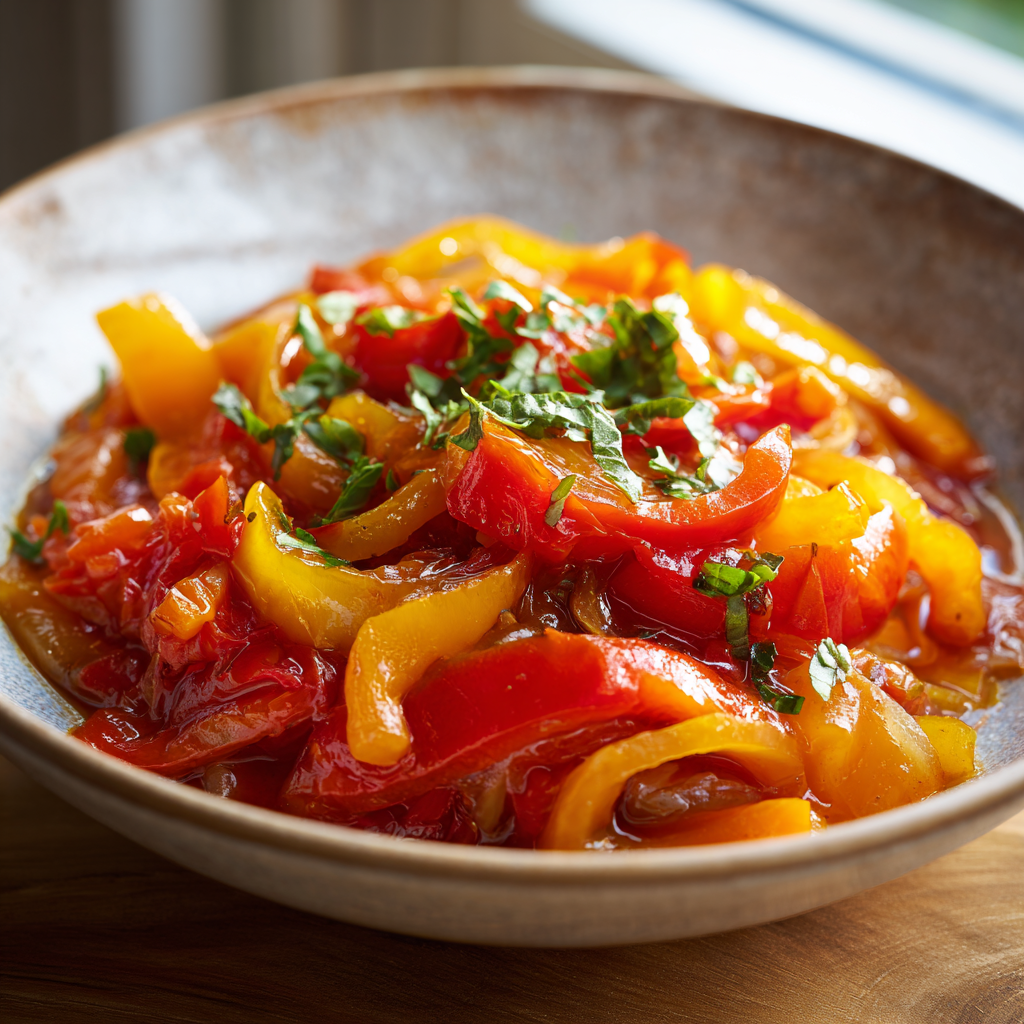
Peperonata Calabrese (Calabrian Stewed Peppers)
Ingredients
Method
- Wash and slice the bell peppers into thin strips. Slice onions and mince or thinly slice garlic.
- In a wide skillet, warm the olive oil over low to medium-low heat. Add onions and a pinch of salt. Cook for about 5 minutes until soft and glossy.
- Stir in the garlic and cook gently for another 5 minutes, making sure it doesn’t brown. Add the peppers and cook for 6–8 minutes, stirring occasionally, until they start to soften and release juices.
- Pour in the passata (or paste + water), season with salt and pepper, and mix well. Cover and simmer on low heat for 20–30 minutes, stirring every few minutes, until the peppers are tender but still hold their shape.
- Uncover, add vinegar and sugar, then cook 3–5 more minutes uncovered to let excess liquid evaporate. Taste and adjust seasoning with salt or a touch more vinegar.
- Turn off the heat and let it rest for a few minutes before serving. Serve warm or at room temperature with bread, pasta, or grilled meats.
Notes
- Avoid green bell peppers; they make the sauce bitter.
- This dish tastes even better the next day after resting.
- For a richer texture, finish with a drizzle of olive oil before serving.
- To make it spicier, add red pepper flakes or a small chopped chili with the peppers.
- Store in airtight containers for up to 5 days in the fridge or freeze up to 3 months.
- Serve as a topping for pasta, on toasted bread, beside grilled meats, or with eggs and polenta.