
Jump to Recipe
I learned this negroni bianco cocktail recipe at my grandmother’s table, where dusk meant chilled glasses and bright citrus oil on the rim.
We make it in equal parts gin, Luxardo Bitter Bianco, and a white vermouth like Carpano Bianco, stirred over a large cube and served in an Old-fashioned glass. The clear style feels lighter than the ruby original, with soft honeyed notes instead of biting tannin.
At home we watch the dilution, favoring a pre-chilled glass and big, clear ice so each sip stays balanced from start to finish. A typical pour runs about 208 calories and roughly 22.9% ABV, so pacing and pairings matter—think olives, salty nuts, or thinly sliced salumi for an easy aperitivo.
Key Takeaways
- Equal parts gin, Luxardo Bitter Bianco, and white vermouth make a clear, balanced aperitivo.
- Stirring, large clear ice, and a pre-chilled glass preserve texture and aroma.
- Express citrus oils over the drink to lift perfume and flavor.
- Expect about 208 calories and ~22.9% ABV per serving; pace responsibly.
- Simple pairings turn a single pour into a welcoming Italian ritual.
A family-tested white negroni with real Italian roots
This lighter aperitif arrived at our table like good news—bright, balanced, and always timed before dinner. We stick with gin as the backbone, but swap Campari for Luxardo Bitter Bianco and vermouth rosso for a bianco vermouth such as Carpano. The change feels deliberate and kind.
What makes the white version different is clear: citrus-led aromatics, fresh herbs, and creamy honeysuckle notes. It is less drying and less bitter than the red while keeping the same strength and balance.
We pour it in that calm window of time before a meal because the drink wakes the appetite without overwhelming it. Equal parts makes it easy to remember, and the 2016 launch of Luxardo Bitter Bianco helped popularize this modern style.
- Elegant, aromatic, and softer on the palate.
- Citrus and herb notes replace the harsh bitter edge.
- Served stirred as an apéritif to open the evening.
| Aspect | Red Classic | White Version |
|---|---|---|
| Bitter source | Campari | Luxardo Bitter Bianco |
| Vermouth | Rosso (rich, bitter) | Bianco (silky, slightly sweet) |
| Flavor notes | Robust, tannic, bitter | Citrus, herbal, honeyed |
| Best time | Before dinner, bold opener | Before dinner, gentler aperitif |
Ingredients that define the Negroni Bianco’s character
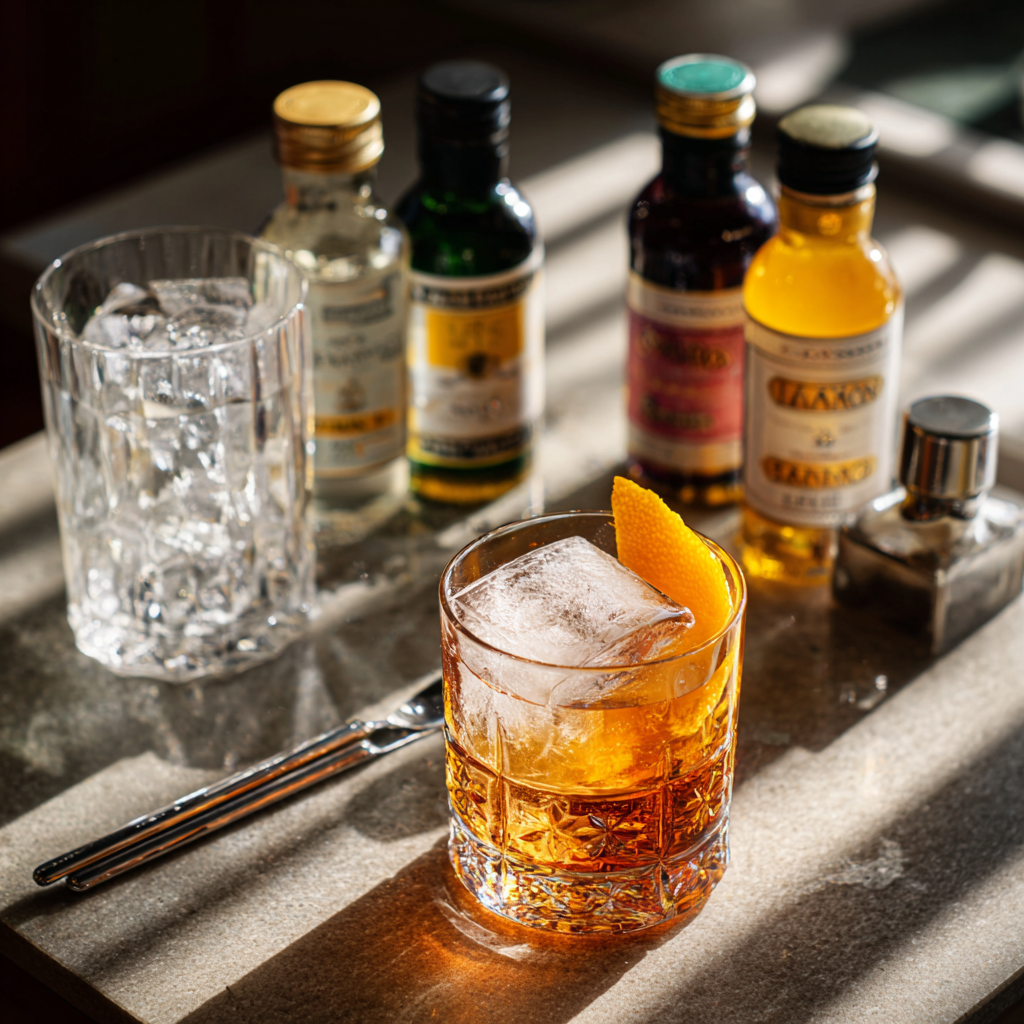
On slow evenings I choose bottles that speak clearly: juniper-forward gin, a lighter bitter liqueur, and a plush white vermouth. These three ingredients shape aroma, texture, and balance.
Gin: juniper backbone and how it shapes the drink
I favor a classic London Dry gin for a clean juniper backbone. The gin should support other flavors, not compete, so choose one with crisp citrus and subtle spice notes.
Luxardo Bitter Bianco: lighter, sweeter, less bitter than Campari
Luxardo Bitter Bianco is the pivot: zesty orange-lemon brightness, rosemary-led herbs, and a whisper of pepper. It softens bitterness while adding lively citrus and savory depth.
Vermouth bianco (Carpano or similar): rich, aromatic, slightly sweet
Carpano Bianco gives plush mid-palate weight—cacao, cinnamon, mace, licorice, figs, almond, and orange zest. If you can’t find it, choose a high-quality bianco or dry white vermouth with good acidity and floral notes.
Garnishes that lift the aroma
- I keep garnishes simple: a broad citrus peel or an orange slice to layer aroma, or a small rosemary sprig for an herbal lift.
- Expressing oils over the surface perfumes the first sip; an orange slice nudges sweetness without adding sugar.
- Note for guests: vermouth often contains sulfites, so I mention it when I pour for friends who track allergens.
Quality matters—each ingredient is an apéritif in its own right. When chosen well, they create a harmonious, balanced glass built on equal parts.
Tools and glassware for a pro-level mix at home
A careful set of tools and a cool glass make all the difference when I mix at home. Small habits protect aroma, texture, and temperature so every pour feels intentional.
I reach for a heavy Old-fashioned glass and always pre-chill it. A cold starting point keeps aromatics bright and slows dilution as you sip.
Use a proper mixing glass so ice can move freely and chill the spirit blend evenly. A long-handled bar spoon lets you stir with gentle, controlled strokes. Stirring preserves clarity and a silky surface; shaking adds unwanted air.
Clear, large ice chills quickly and melts slowly. That gives a glossy mouthfeel without watering down the drink. Strain into the service glass to remove small shards that would cloud and dilute the pour.
If you lack specialty gear, a sturdy tumbler and a long spoon work fine—keep your motions steady. I also prep citrus peels ahead, so the final express of oils lands while the drink is cold.
Quick gear guide
| Item | Purpose | Why it matters |
|---|---|---|
| Old-fashioned glass | Serve | Weight and shape focus aroma and feel |
| Mixing glass | Mixing | Allows even cooling and proper dilution |
| Bar spoon & strainer | Stir & strain | Control dilution and remove shards |
| Clear, large ice | Chill | Slow melt, silky texture, less dilution |
negroni bianco cocktail recipe
I keep the build simple and exact—equal parts, measured, and chilled for a steady, familiar pour.
Measure 1 oz gin, 1 oz Luxardo Bitter Bianco, and 1 oz Carpano Bianco (or a quality bianco/dry white vermouth) into a mixing vessel.
- Pre-chill an Old-fashioned glass so the drink stays crisp from the first sip.
- Add fresh ice to the mixing glass and stir the ingredients until the outside feels very cold. This signals proper chill and dilution.
- Strain over one large cube or a tight stack of fresh cubes in the chilled glass.
- Garnish with a broad orange peel or a neat orange slice, express the oils over the surface, and drop it in.
Expect about 208 calories and roughly 22.89% ABV per serving. That works out to about 1.5 standard drinks and ~20.6 g of pure alcohol.
| Item | Amount | Why |
|---|---|---|
| Gin | 1 oz | Juniper backbone, clarity |
| Luxardo Bitter Bianco | 1 oz | Citrus-herb lift |
| Carpano Bianco | 1 oz | Weight and floral sweetness |
Keep bottles fresh, work with clean tools, and pour mindfully. The equal-parts format makes this quick to scale if you batch, but always finish over fresh ice in the service glass.
Step-by-step: stir, strain, and garnish like a bartender
When I set up the bar, I treat the moment like a small ritual—tools lined up, glass chilled, and citrus ready. That calm start makes every pour consistent and welcoming.
Pre-chill the glass and prep the peel for clean aromatics
I chill the serving glass for a few minutes in the freezer or pack it with ice and water while I work. Cold glass keeps aroma focused and slows dilution so the first sip matches the last.
Use a sharp peeler and cut a wide strip with minimal pith. A clean peel releases bright oils that perfume the nose without bitterness.
Equal parts build, gentle stir over ice, then strain over a rock
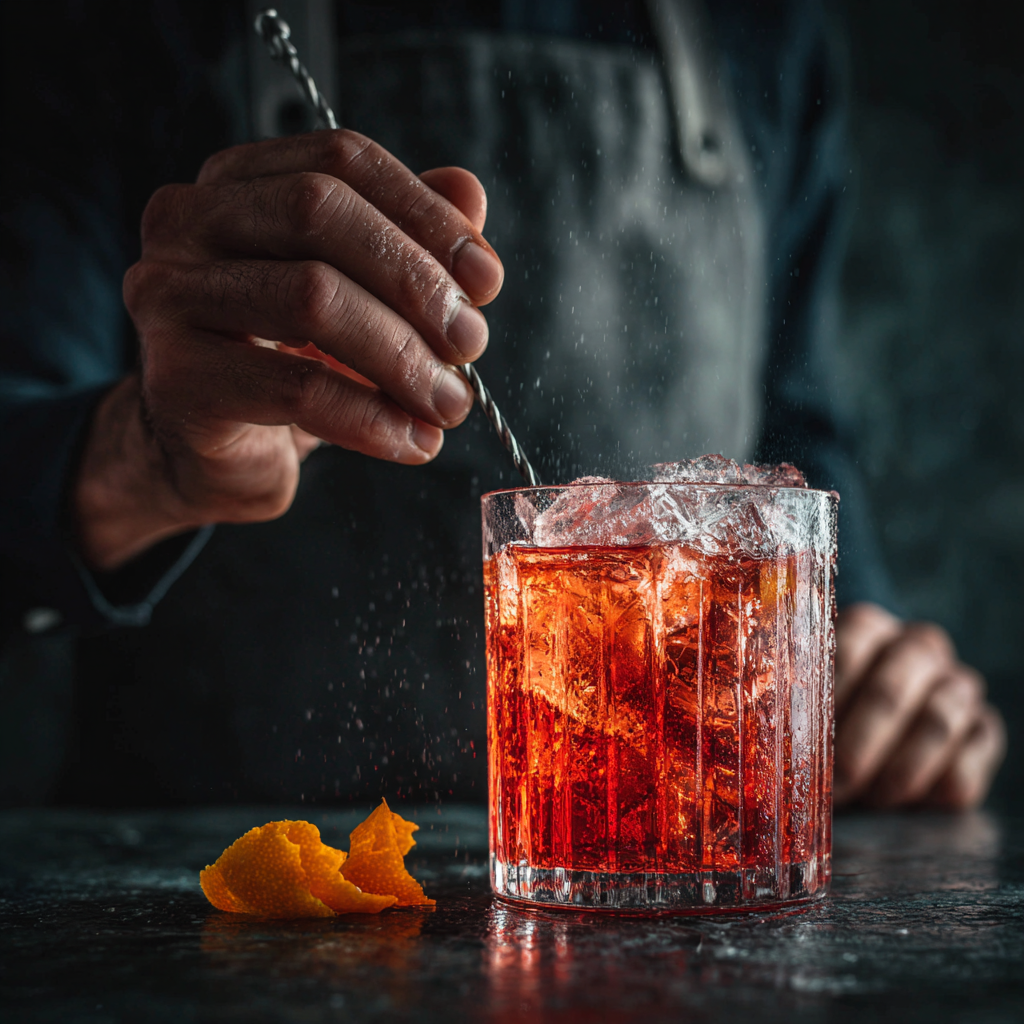
In a mixing glass half full of fresh ice, add equal parts. Stir smoothly with a bar spoon—about 20–30 turns—so the spirit cools and the texture becomes satiny.
- Discard the chilling ice, then strain over one large clear cube for a slow melt.
- Hold the peel over the surface, squeeze to release oils, swipe the rim, and rest or drop it in.
- Serve immediately and enjoy the balanced aroma and texture.
- Tools: mixing glass, bar spoon, and strainer are all you need.
- Tip: use hard, clear ice for a slower melt and cleaner flavor.
- Consistency: same ice, same stir, same strain—same result each time.
| Tool | Purpose | Why it matters |
|---|---|---|
| Mixing glass | Chill and dilute | Even cooling without shaking |
| Bar spoon & strainer | Stir and finish | Control dilution and remove shards |
| Large clear cube | Serve | Slow melt, refined presentation |
Flavor, strength, and nutrition at a glance
A single chilled pour reveals a gentle floral core and citrus edge that makes you slow down. The glass favors perfume over harsh bitterness and asks for a quiet moment before a meal.
Taste profile
In the glass the flavor leans floral and citrusy with restrained bitterness. A creamy honeysuckle note rounds the midpalate and keeps the finish soft.
The finish stays clean and persistent, driven by light herbal notes and bright citrus rather than deep caramel tones. I serve it as a pause before dinner so everyone can enjoy the aromatics.
ABV and calories
This drink sits at about 22.9% ABV per serving. That equals roughly 1.5 standard drinks and about 20.6 g of pure alcohol. Plan your pace and enjoy it as a single pre-meal pour.
Calorie-wise expect roughly 208 calories per serving. Pair with small, savory bites to balance the richness and keep portions sensible.
- Fresh, cold service highlights the perfume; as ice relaxes, more vermouth fruit and spice appears.
- If guests are sensitive to sulfites, note that vermouth commonly contains them before you pour.
- Quality ingredients and steady technique translate directly to better taste each time.
| Attribute | Value | Why it matters |
|---|---|---|
| Taste | Floral, citrus, creamy honeysuckle | Gentle bitterness, inviting aroma for an aperitif |
| Alcohol | ≈22.9% ABV / 1.5 standard drinks | Moderate strength—sip slowly before dinner |
| Calories | ≈208 kcal | Richer apéritif; pair with salty snacks |
| Allergens | May contain sulfites | Mention to sensitive guests; common in vermouth |
For a family variation and tips on timing and service, see our family variation and pour with care.
Smart variations and substitutions worth trying
I love modest swaps that reveal new layers while keeping the structure intact. Below are field-tested variations with clear expectations so you can succeed on the first try.
Mezcal smoky twist
For a gentle campfire note, substitute a clean, moderately smoky mezcal for the gin. The herbal lift from Luxardo Bitter Bianco keeps balance intact.
Substitute for Carpano
If Carpano Bianco is unavailable, pick a fresh, quality dry white vermouth with good acidity. Keep the equal-parts build so the structure stays steady.
Lillet Blanc & grapefruit riff
Use Cocchi Americano Bianco as the base, add Lillet Blanc and a splash of fresh grapefruit juice. Stir, strain over a large cube, and finish with a grapefruit peel.
- Always stir, not shake, to retain clarity and silkiness.
- Match your citrus garnish to the variation—grapefruit for Lillet, orange for classic, lemon for a crisper edge.
- Taste before straining; extra stirs adjust dilution when sweetness or juice change texture.
| Variation | Swap | Expected flavor |
|---|---|---|
| Mezcal twist | Gin → Mezcal | Smoky, herbal, campfire note |
| Vermouth swap | Carpano → Quality dry white vermouth | Cleaner acidity, similar structure |
| Lillet & grapefruit | Cocchi + Lillet + grapefruit | Brighter, zesty, slightly sweeter |
Serving ideas: aperitivo pairings and the right moment
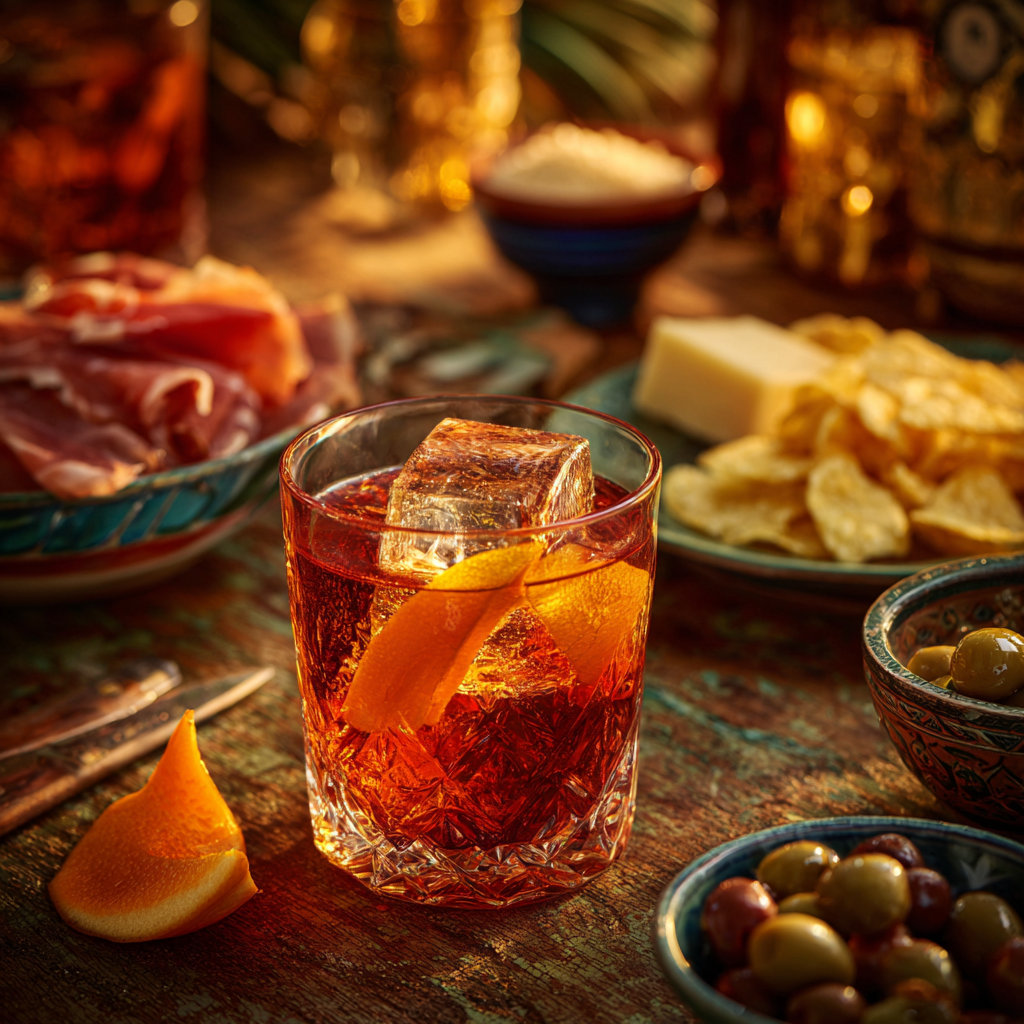
Evenings at our house begin with a small, shared pause—a chilled pour and the soft clink of glass. That quiet half hour sets a warm tone and wakes the appetite without rushing the meal.
Salty, rich bites that match the drink’s boozy backbone
I serve negroni bianco during aperitivo, when conversation is easy and the table isn’t yet set. A chilled Old-fashioned glass and a clean citrus garnish make the pour look as refined as it tastes.
- Thick-cut potato chips and Castelvetrano olives for bright salt and texture.
- Ribbons of prosciutto, cured meats, and small cubes of Parmesan or aged Asiago.
- Light crackers or grissini to reset the palate between sips and bites.
The gentle sweetness flatters savory fat while the bitter-herbal notes scrub the palate. I keep portions small and let guests pick a peel or orange slice from a tray when company arrives.
| Moment | Serveware | Garnish |
|---|---|---|
| Aperitivo | Old-fashioned glass | Citrus peel or rosemary sprig |
| Casual crowd | Chilled rocks glass | Orange slice on tray |
| Quiet night | Single large cube | Expressed peel for aroma |
Low, warm lighting and a tidy counter turn a quick pour into a gentle ritual. With negroni bianco as the opener, dinner arrives to a table already in harmony.
A final toast: quality ingredients, careful mixing, confident pours
Good pours come from respect: choose ingredients you’d sip on alone and the rest falls into place.
Build equal parts, stir in a mixing glass over solid ice, then strain into a pre-chilled Old-fashioned glass. Express a broad peel and keep the garnish simple so aroma leads the first sip.
Remember to store vermouth cold and note it may contain sulfites. The white negroni gained modern momentum with Luxardo Bitter Bianco’s 2016 release, and this clear style is a gentler, grown-up option.
Expect about 22.9% ABV and ~208 calories per serving. For an easy night, pour one per guest, then move to wine. Share what you love—hospitality is the final ingredient.
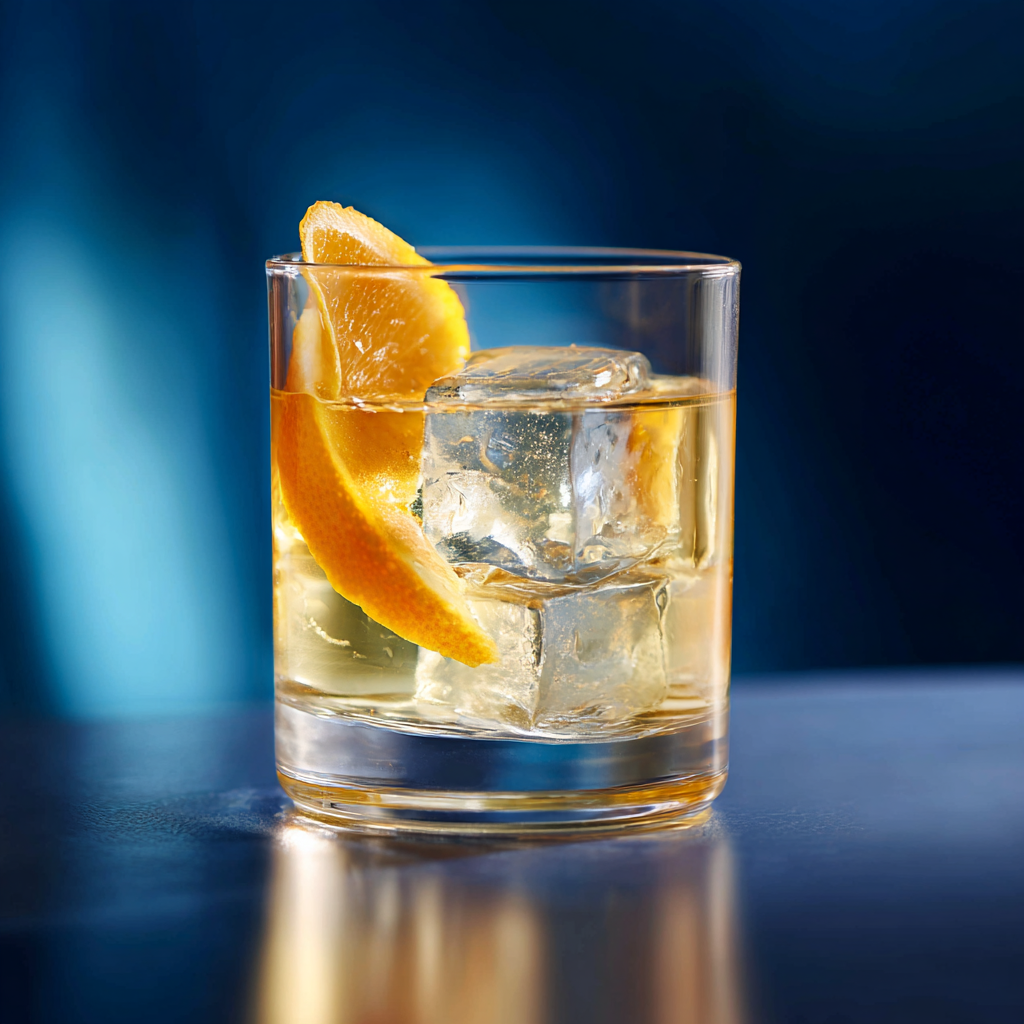
Negroni Bianco (White Negroni)
Ingredients
Method
- Stir gently. Stir 20–30 smooth turns until the outside of the mixing glass feels very cold. This ensures proper chilling and dilution.
Notes
- Store vermouth in the fridge to keep it fresh.
- Vermouth usually contains sulfites—mention this to anyone sensitive.
- Large clear ice melts slower and keeps the drink balanced from start to finish.
- The equal-parts build makes it easy to batch, but always serve over fresh ice.