
Jump to Recipe
There’s a quiet magic to Italian desserts. It’s not about loud flavors or complicated techniques. It’s about texture and balance, about something that feels special yet completely approachable. The best ones come together in your own kitchen, filling the air with a simple, honest warmth.
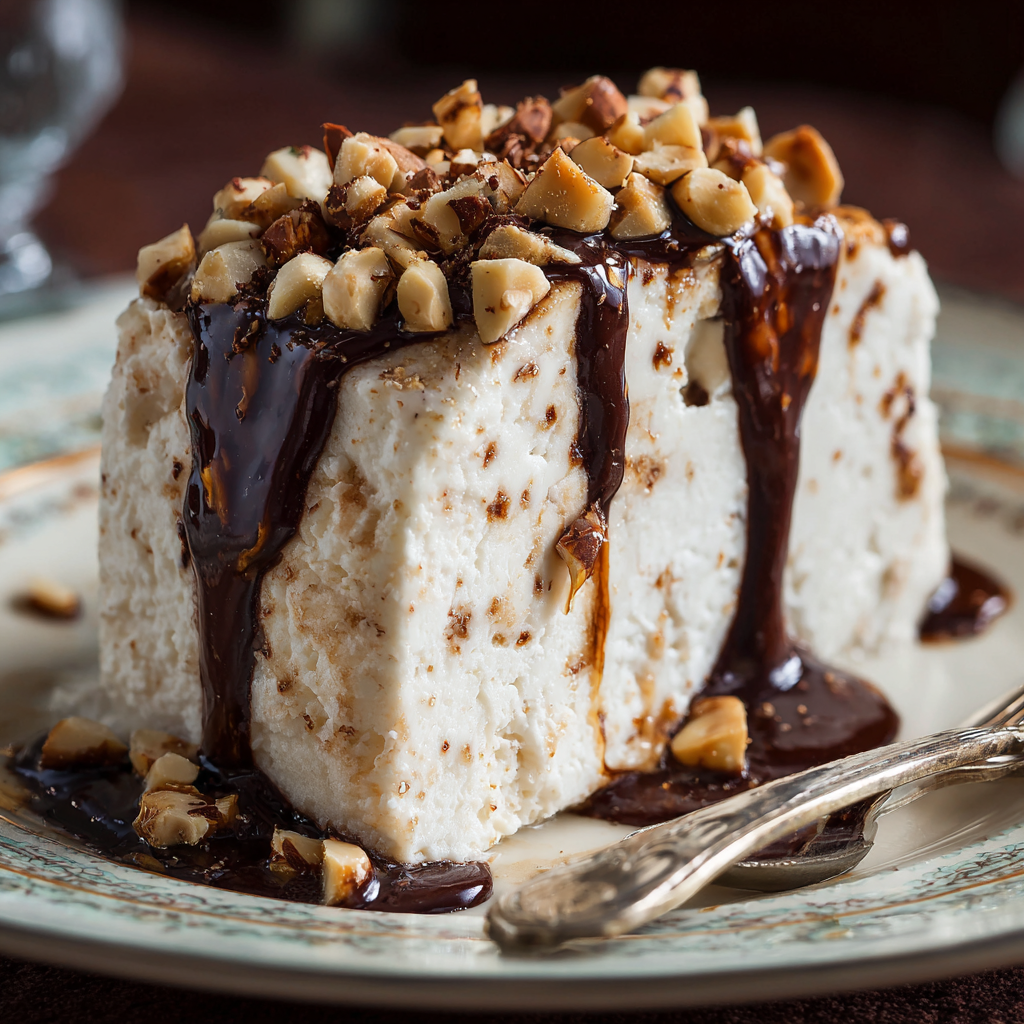
This particular treat offers a unique experience. Its texture sits perfectly between a light mousse and classic ice cream. The beauty of it is its simplicity. You won’t need any special machines, just a few mixing bowls and a standard loaf pan.
The method builds on three classic Italian components. They work in harmony to create a signature “half-frozen” consistency. This is where the name comes from. Whipped cream provides richness, a zabaglione custard adds deep flavor, and meringue brings an airy sweetness.
Toasted hazelnuts are a natural partner to the rich base. This combination is rooted in the baking traditions of regions where these nuts grow. While the process involves a few steps, each one is straightforward. The result delivers an elegance you’d find in a restaurant.
It’s important to plan ahead, as the dessert needs to freeze overnight. This makes it ideal for preparing a day before you have guests. My guidance will walk you through each stage clearly, from toasting the nuts to the final unmolding. We’ll respect authentic technique while ensuring it works reliably in a real home kitchen.
Key Takeaways
- This dessert has a unique, soft texture that is sliceable straight from the freezer.
- No ice cream maker is required, making it accessible for any home cook.
- It is built on a foundation of three traditional Italian components: whipped cream, zabaglione, and meringue.
- Hazelnuts are a classic pairing that complements the rich custard base beautifully.
- The method is broken down into simple, manageable steps for a foolproof result.
- Planning is key, as the dessert must freeze overnight to set properly.
- This approach stays true to authentic Italian methods while being practical for a home kitchen.
Discovering the Essence of Semifreddo
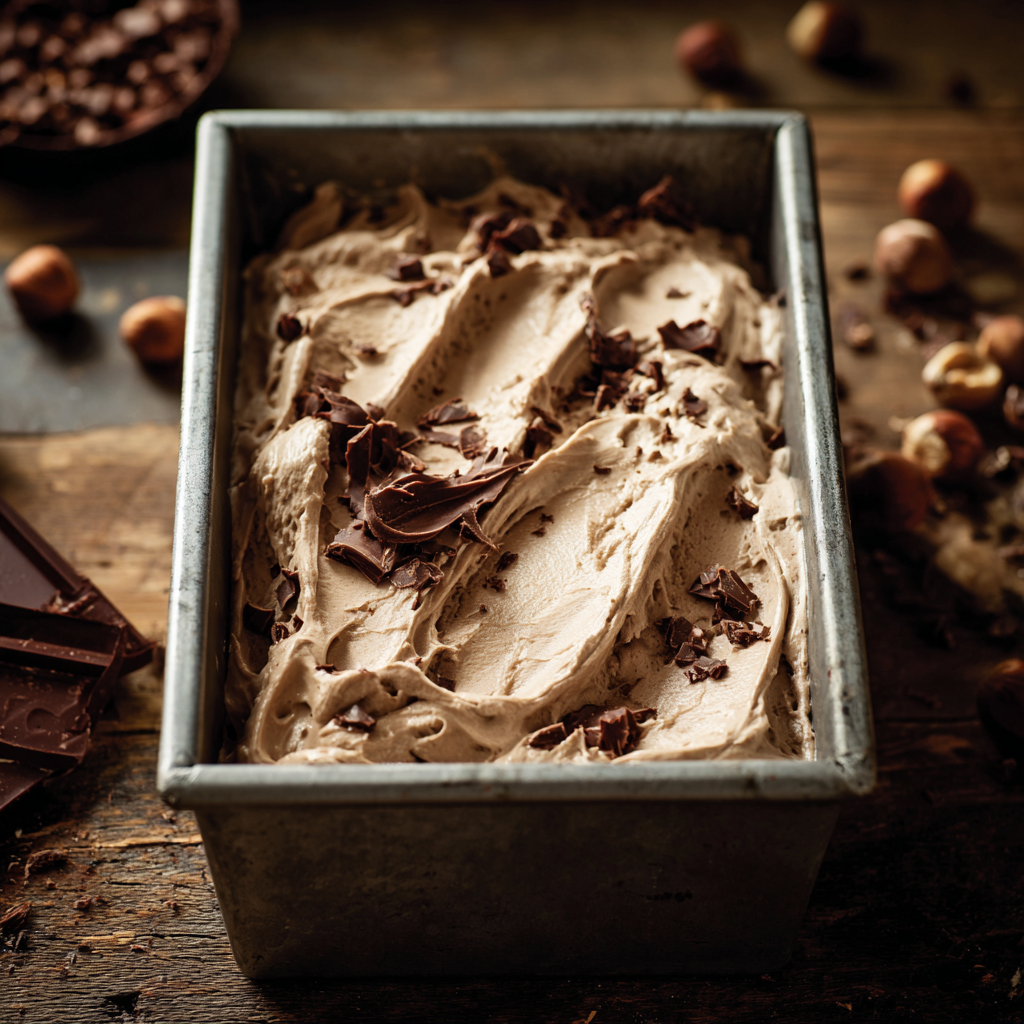
When you explore Italy’s dessert landscape, you discover categories that defy simple classification. This particular creation stands apart from more familiar frozen treats.
A Brief History and Italian Roots
The name translates literally to “half-cold.” This describes the eating experience rather than the preparation method. It feels cool but never fully frozen on the palate.
This dessert emerged as an elegant solution. It provided a sophisticated frozen option without needing constant churning. Italian cooks valued this practical approach to food.
The tradition reflects a core Italian philosophy. Simple components combine with careful technique. The result becomes greater than the sum of its parts.
What Makes It So Unique?
The texture distinguishes it completely from standard ice cream. Beaten egg whites and whipped cream are folded into the base. This creates millions of tiny air pockets.
These air pockets prevent the mixture from freezing solid. The consistency remains creamy and soft. It resembles a luxurious frozen mousse.
This make-ahead nature fits Italian meal culture perfectly. Dessert waits prepared while conversation flows between courses. It’s a thoughtful way to enjoy a special meal.
Understanding these qualities helps you appreciate each step. The technique serves a clear purpose. It creates something truly distinctive in the world of frozen desserts.
Mastering the hazelnut semifreddo recipe: Key Techniques
Success hinges on mastering two foundational preparations. The rich zabaglione custard and the light, airy meringue and cream base work together to create the signature texture.
Crafting the Zabaglione for Rich Flavor
Zabaglione is the flavor foundation. This cooked custard provides deep richness and carries the nutty character throughout the dessert.
Use a bain-marie for gentle heat. Place a heatproof bowl over a pan of simmering water. This method cooks the egg yolks and sugar without scrambling them.
Whisk the mixture continuously for several minutes. It will turn pale, thicken significantly, and double in volume. You know it’s ready when the whisk leaves ribbons on the surface that hold their shape.
Adding a hazelnut liqueur like Frangelico intensifies the flavor. For an alcohol-free version, vanilla or hazelnut extract works perfectly.
Building the Meringue and Whipped Cream Base
The meringue adds essential lightness. Beat the egg whites until they form soft peaks. Then, gradually add the sugar and continue beating until the mixture holds its shape.
This meringue remains fluid and light. It will not become thick and glossy due to the lower sugar ratio.
Next, whip the cream to soft peaks. It should be creamy yet able to hold a gentle shape. Both the meringue and cream incorporate millions of tiny air pockets.
These air pockets are why the dessert stays soft and scoopable even when frozen. Bringing your eggs to room temperature before starting ensures they whip to their fullest volume and cook evenly.
| Component | Primary Role | Key Ingredient | Desired State |
|---|---|---|---|
| Zabaglione | Flavor & Richness | Egg Yolks | Thick, Ribboning |
| Meringue | Lightness & Air | Egg Whites | Soft Peaks |
| Whipped Cream | Creaminess & Air | Cream | Soft Peaks |
Gathering Ingredients and Essential Tools
The quality of your ingredients directly shapes the character of your finished dessert. Choosing fresh components and having the right equipment makes the process smooth and rewarding.
Selecting the Perfect Hazelnuts and Chocolate
Start with fresh hazelnuts that have no rancid smell. Old nut oils turn bitter and affect the final flavor. Toasting serves two important purposes: it loosens the papery skins and deepens the nutty flavor through gentle caramelization.
Spread the nuts on a baking sheet and toast in a moderate oven until fragrant and lightly golden. Wrap them in a clean kitchen towel and rub vigorously to remove most skins. Don’t worry about removing every bit—some flecks add visual appeal.
For chocolate, choose dark around 70% cocoa. This provides depth without excessive bitterness, balancing well with the sweet custard. Quality chocolate makes a real difference here since it’s a primary flavor component.
Standard granulated sugar works perfectly—no need for specialty types. Your essential equipment includes a 9×5-inch loaf pan, several mixing bowls, a saucepan for the water bath, and electric beaters. A food processor is handy for variations but not required for the basic preparation.
Thoroughly line your loaf pan with plastic wrap, leaving generous overhang. This is the only practical way to unmold the dessert cleanly. Let eggs sit at room temperature for about 30 minutes before starting—this affects both how the yolks cook and how the whites whip.
Expert Tips on Whipping, Folding, and Freezing
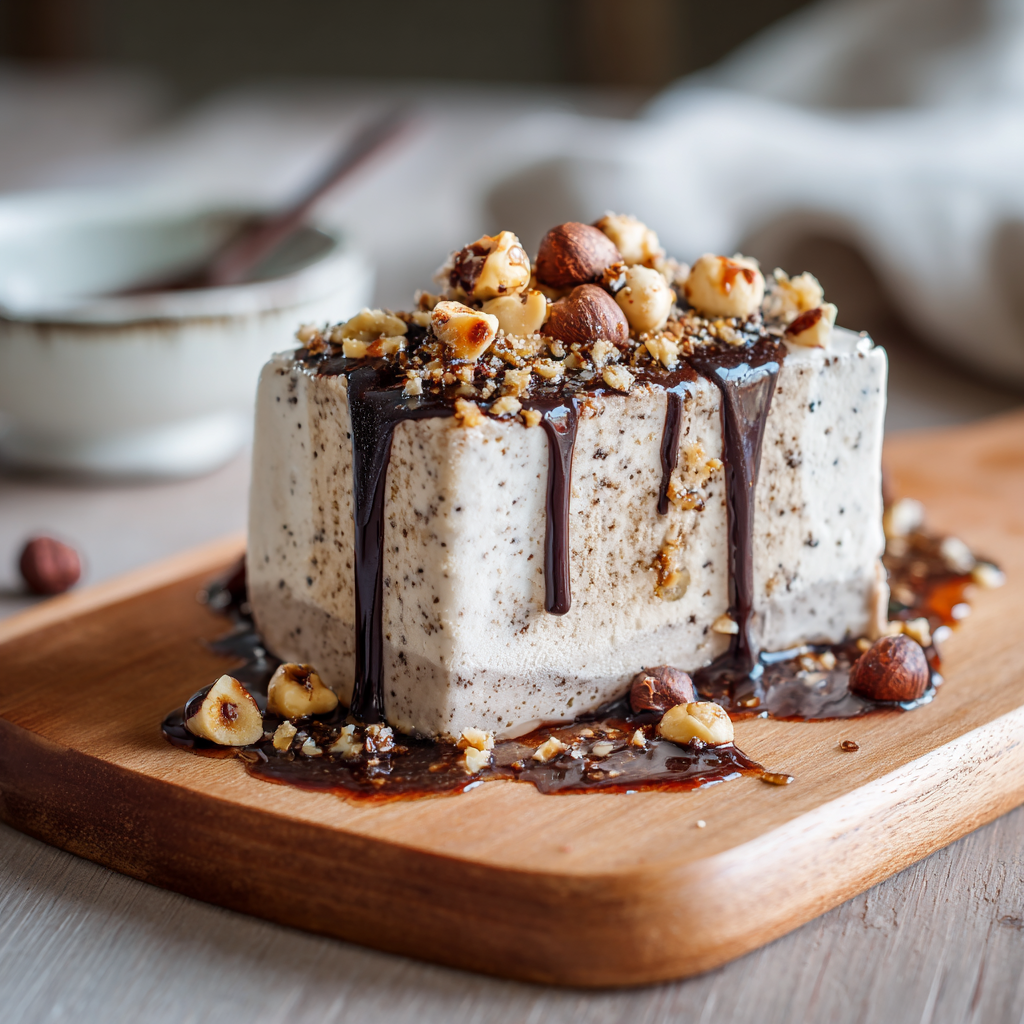
The final texture of your dessert is determined by the care taken during the whipping and folding stages. These techniques preserve the delicate air bubbles that create the signature creamy, sliceable consistency.
Maintaining an Airy Texture in Cream and Egg Whites
Whip your cream until soft peaks form. These peaks should hold their shape but still feel creamy. For the best control, I suggest finishing the last 30 seconds by hand with a whisk.
This prevents overwhipping. If the cream becomes grainy, don’t worry. Gently whisk in a quarter cup of fresh cream to bring it back to a smooth state.
For the egg whites, beat them until they form soft peaks that curl over. Then, gradually add the sugar. The whites will hold their shape but won’t become thick and glossy due to the lower sugar ratio.
Using room temperature eggs is crucial. They whip to a much greater volume, creating a lighter base for your creation.
Folding Techniques to Lock in the Fluff
Folding combines the components without deflating the precious air you’ve incorporated. Patience is key here.
Use a large rubber spatula and this scoop-and-fold method:
- Slice the spatula straight down through the center of the mixture.
- Scrape along the bottom and curve of the bowl.
- Scoop the mixture up and fold it over the top.
- Give the bowl a quarter turn and repeat.
Never stir. Add the whipped cream to the cooled custard base in two parts. Then, fold in the meringue in three additions.
Freeze the dessert for a minimum of six hours. Overnight is ideal for a clean slice. This allows the flavors to meld and the texture to set perfectly.
Creative Variations and Flavor Enhancements
Once you’ve mastered the basic technique, the door opens to countless authentic flavor possibilities. Italian cooks have always adapted desserts to seasonal ingredients and regional specialties.
Incorporating Nutella, Chocolate, and More
For a rich chocolate-hazelnut experience, gently fold Nutella through the finished mixture. This creates ribbons of concentrated flavor that contrast beautifully with the creamy base.
Warm additional spread to drizzle over sliced portions. The combination honors the classic pairing found in our chocolate hazelnut semifreddo recipe Italian style.
A cherry sauce made from fresh fruit, lemon juice, and sugar complements the dessert wonderfully. Cook pitted cherries until softened for a vibrant topping.
| Variation | Key Ingredients | Preparation Notes | Serving Suggestion |
|---|---|---|---|
| Chocolate-Mint | Mint chocolate, extract | Add extract to custard base | Top with chocolate sauce |
| Pistachio | Toasted pistachios, Marsala | Substitute nuts and liqueur | Garnish with crushed biscotti |
| Cherry-Chocolate | Fresh cherries, sugar | Make quick cooked sauce | Drizzle over each slice |
| Praline | Caramelized sugar, nuts | Crush praline for texture | Fold into mixture before freezing |
Exploring Alternative Nuts and Exotic Twists
Pistachios make a wonderful alternative to hazelnuts. This variation connects to Sicilian baking traditions. Use Marsala wine in the zabaglione for authentic flavor.
Consider adding a biscotti crust for textural contrast. Process cookies with melted butter and press into the pan before adding the creamy mixture.
These variations maintain the essential three-component structure. They simply introduce new flavor profiles while respecting Italian culinary principles.
Savoring Your Masterpiece: Serving and Enjoying a Luxurious Dessert
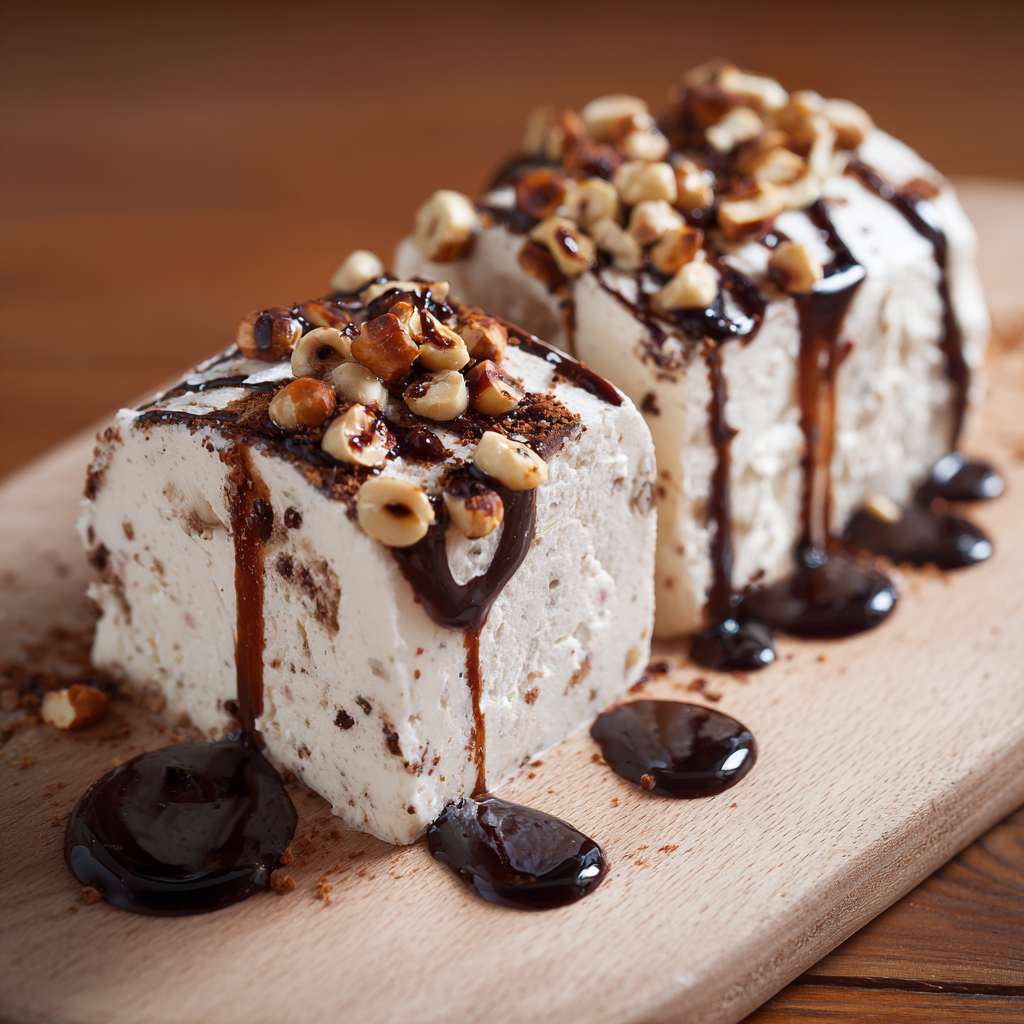
Unmolding your creation reveals the elegant dessert you’ve patiently crafted. Remove the loaf pan from the freezer and unfold the plastic wrap overhang. Place your serving platter upside down on top, then flip everything over in one confident motion.
The dessert should release easily thanks to the plastic lining. You’ll see impressions from the wrap, which is normal. Dip a butter knife in hot water, wipe it dry, and gently smooth the surface for perfect presentation.
Time your serving carefully—this treat softens quickly. Remove it just minutes before slicing. Use a hot knife for clean cuts that show off the creamy interior. Drizzle with warmed chocolate sauce for extra elegance.
Store any leftovers in an airtight container with plastic wrap touching the surface. It keeps well frozen for several weeks. This dessert pairs beautifully with espresso, following Italian tradition.
Hazelnut Semifreddo
Ingredients
Method
- Preheat oven to 350°F (175°C). Spread hazelnuts on a baking sheet and toast for 10-12 minutes until golden and fragrant.
- Let the nuts cool, then rub them in a kitchen towel to remove most of the skins. Chop coarsely.
- In a heatproof bowl, whisk together egg yolks and sugar. Place over a pot of simmering water (bain-marie).
- Whisk continuously for 5-7 minutes until the mixture thickens and forms ribbons when whisked. Add hazelnut liqueur or extract and whisk to combine.
- Beat egg whites with sugar until soft peaks form.
- Set aside.
- In a separate bowl, beat the cream until soft peaks form. Be careful not to overwhip.
- Gently fold whipped cream into the cooled zabaglione custard in two additions.
- Then fold in the meringue in three additions, preserving air bubbles.
- Line a 9x5-inch loaf pan with plastic wrap, leaving overhang.
- Pour the mixture into the pan and smooth the top.
- Sprinkle the chopped toasted hazelnuts and drizzle with melted chocolate on top.
- Cover with plastic wrap and freeze overnight (minimum 6 hours).
- Once frozen, carefully remove the semifreddo from the pan by pulling the plastic wrap.
- Place on a platter and slice using a hot knife for clean cuts.
- Serve immediately or store leftovers in the freezer.
Notes
- This dessert needs overnight freezing, so plan ahead when preparing it for guests.
- Feel free to substitute the hazelnuts with pistachios or other nuts for a different flavor.
- The hazelnut liqueur can be swapped with vanilla or hazelnut extract for an alcohol-free version.
- Make sure to use high-quality chocolate for the best flavor.