

Jump to Recipe
The kitchen fills with aromas that whisper generations of love. Herbs dance with simmering tomatoes while meat transforms into something magical. My grandmother’s worn wooden spoon still guides my hand as I craft these polpette al sugo.
Each movement is a delicate conversation between tradition and passion. This hearty Italian dinner isn’t just food; it’s a story waiting to be shared.
Key Takeaways
- Authentic italian meatballs in tomato sauce connect families through generations
- Traditional recipes reflect deep cultural culinary heritage
- Slow cooking transforms simple ingredients into extraordinary meals
- Every dish tells a story of family and tradition
- Cooking is an act of love and cultural preservation
Why This Authentic Italian Meatball Recipe Works Every Time
Making perfect juicy beef meatballs is an art passed down through Italian families. I’ll share secrets that turn ordinary meatballs into culinary masterpieces.
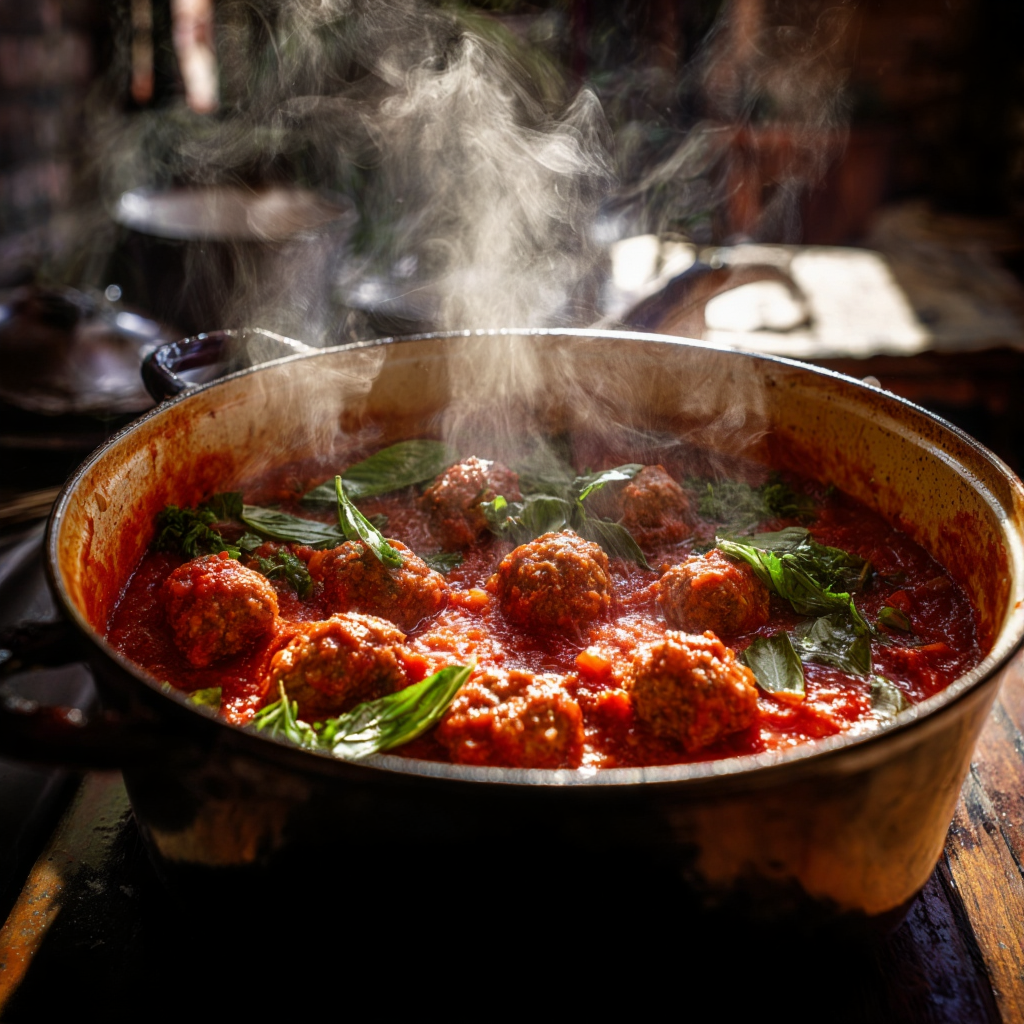
The Secret to Tender, Juicy Meatballs
The magic behind delicious authentic Italian meatball recipe lies in a technique called the panade. This simple mixture uses breadcrumbs soaked in milk. It creates moisture pockets that keep your meatballs incredibly tender and light.
- Use fresh breadcrumbs instead of dried for maximum moisture
- Soak breadcrumbs in milk for at least 5 minutes
- Gently mix ingredients to prevent tough meatballs
Choosing the Right Meat Blend for Maximum Flavor
Selecting the perfect meat blend is crucial for juicy beef meatballs. The key is finding the right balance of fat and lean meat.
| Meat Type | Fat Content | Flavor Profile |
|---|---|---|
| Ground Beef Chuck | 15-20% | Rich, robust flavor |
| Ground Pork Shoulder | 20-25% | Adds moisture and sweetness |
| Traditional Blend | Mixed | Beef, pork, and veal combination |
Pro tip: Always choose freshly ground meat from your local butcher. The quality makes a significant difference in your authentic Italian meatball recipe.
Vacuum-packed meats release more water and can result in less flavorful meatballs.
Essential Ingredients for Homemade Italian Meatballs in Tomato Sauce
Authentic Italian meatballs start with the highest quality ingredients. Fresh, simple components bring incredible depth of flavor to every bite.
For perfectly crafted meatballs, you’ll need a carefully curated selection of ingredients:
- Ground beef chuck (80% lean)
- Ground pork for added richness
- Fresh breadcrumbs from Italian country bread
- Whole milk or full-fat plant milk
- Farm-fresh eggs
- Pecorino Romano or Parmesan cheese
- Fresh garlic
- Fresh Italian parsley
- Kosher salt and freshly ground black pepper
Our homemade tomato sauce demands equally exceptional ingredients. Premium tomato passata, extra virgin olive oil, and vibrant fresh herbs form the foundation. Ripe tomatoes, crushed garlic, fresh basil, and oregano create magical sauce.
Pro tip: Always choose fresh ingredients when possible. Freshly grated cheese, just-minced garlic, and hand-chopped herbs make a world of difference. Quality ingredients directly impact the soul of your meatballs and sauce.
Our family recipe embraces simplicity. Each ingredient creates a harmonious, deeply satisfying meal. This dish connects you to Italy’s rich culinary heritage.
How to Make Traditional Italian Meatballs from Scratch
Crafting grandma’s meatball recipe is an art passed down through generations. Simple ingredients transform into something extraordinary. Let me guide you through creating authentic meatballs that transport you to Italy.
Crafting the Perfect Breadcrumb Panade
The secret to tender meatballs lies in the panade. This magical mixture keeps your grandma’s meatball recipe incredibly moist. Start by combining fresh breadcrumbs with milk.
Let the breadcrumbs soak for about five minutes. This step creates that melt-in-your-mouth texture. Italian meatballs become special with this simple technique.
- Use fresh breadcrumbs for best results
- Let breadcrumbs absorb milk completely
- Mix in eggs, grated Parmesan, minced garlic, salt, and pepper
Forming and Cooking Your Perfect Meatballs
Treat your meatball mixture gently during mixing. Overmixing can make the meatballs tough. My grandmother always warned against this in her treasured recipe.
Use your hands to combine the ingredients carefully. Mix just until everything is incorporated.
- Use a 1/4-cup scoop for consistent sizing
- Roll meatballs loosely – don’t compress too tightly
- Choose your cooking method:
Cooking methods for grandma’s meatball recipe include:
| Stovetop Method | Oven Method |
|---|---|
| Brown in olive oil over medium-high heat | Bake at 425°F for 10 minutes |
| Cook until internal temperature reaches 165°F | Flip halfway through cooking |
| Finish in simmering sauce for extra flavor | Transfer to sauce to absorb flavors |
The best meatballs are made with love and patience. Take your time and follow these steps carefully. You’ll create a dish that makes any Italian grandmother proud.
Serving Suggestions and Storage Tips for Your Polpette al Sugo
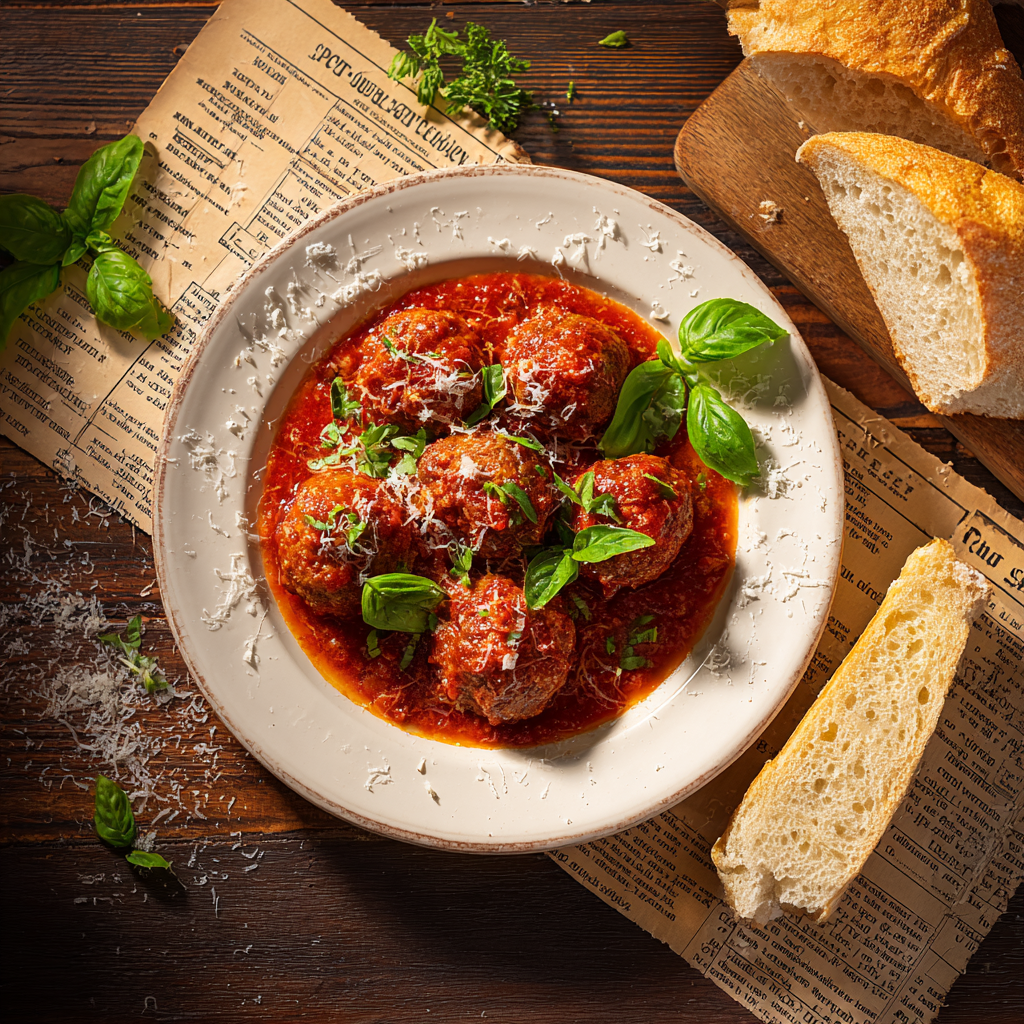
Our spaghetti with meatballs recipe offers incredible versatility for home cooks. These delicious polpette can transform any meal from simple to spectacular. These meatballs adapt beautifully to different serving styles.
Place meatballs alongside roasted vegetables for a traditional Italian meal. Create a comforting spaghetti with meatballs that brings everyone to the table. We love topping them with fresh mozzarella and broiling until golden.
Serve over creamy polenta for a rich dining experience. For casual meals, stuff them into crusty Italian bread. The sandwich soaks up all the delicious sauce.
Storage becomes simple with these meatballs. Refrigerate in an airtight container for 3-4 days. Explore our preservation techniques for longer-term enjoyment.
Freezing works wonderfully for these meatballs. Flash freeze on a baking sheet before transferring to a freezer container. This prevents the meatballs from sticking together and maintains their perfect texture.
Defrost overnight in the refrigerator and reheat gently in sauce. This preserves moisture and flavor beautifully. These polpette al sugo will always impress, whether meal prepping or creating an impromptu dinner.
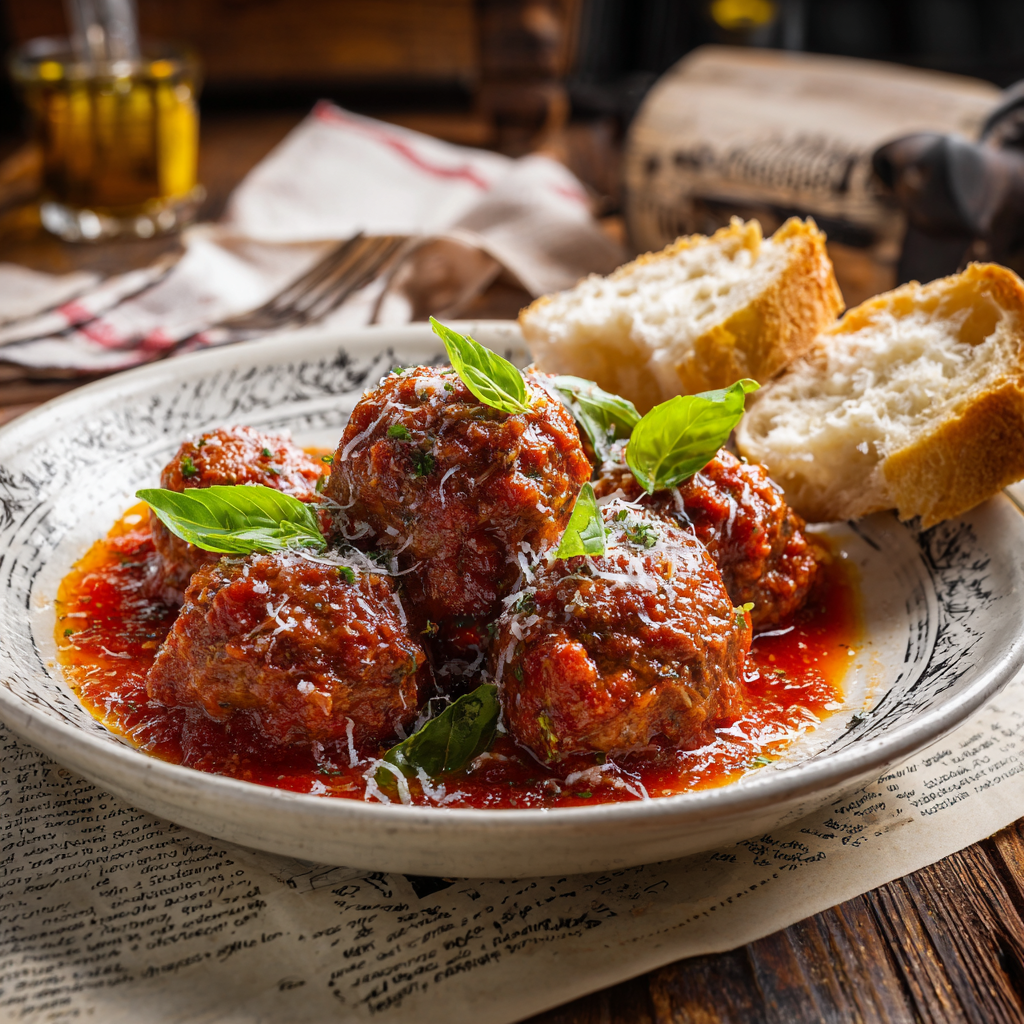
Authentic Italian Meatballs in Tomato Sauce (Polpette al Sugo)
Ingredients
Method
- Add the fresh breadcrumbs to a bowl.
- Pour the milk over them and let it sit for 5 minutes until fully absorbed.
- Add eggs, Parmesan, garlic, parsley, salt, and pepper to the soaked breadcrumbs.
- Stir gently until combined.
- Add the beef and pork.
- Use your hands to mix lightly—stop as soon as everything comes together. Overmixing makes tough meatballs.
- Use a 1/4-cup scoop or your hands to portion the mixture.
- Roll into loose balls without pressing too hard.
- Stovetop Option:
- Heat olive oil in a skillet over medium-high heat.
- Brown the meatballs on all sides (they don’t need to be cooked through).
- Oven Option:
- Place on a lined baking sheet and bake at 425°F (220°C) for 10 minutes, flipping halfway.
- Heat olive oil in a large pot.
- Add garlic and sauté until fragrant.
- Add tomato passata, chopped tomatoes, basil, oregano, salt, and pepper.
- Bring to a simmer.
- Add the browned meatballs to the sauce.
- Cover and simmer on low heat for 25–30 minutes until tender and fully cooked.
- Taste and adjust seasoning if needed.
- Enjoy with spaghetti, polenta, roasted vegetables, or fresh crusty bread.
Notes
- Fresh breadcrumbs make a huge difference in tenderness—avoid dry, store-bought crumbs if possible.
- Gently mixing the meat is a key tip passed down through generations. Heavy mixing makes dense meatballs.
- Always let the meatballs finish cooking in the sauce. This gives them their soft texture and deep Italian flavor.
- If you can, use tomato passata instead of canned diced tomatoes. It gives a smoother, richer sauce like the ones made in Italian homes.
- These meatballs freeze beautifully—perfect for quick dinners during busy weeks.