
Jump to Recipe
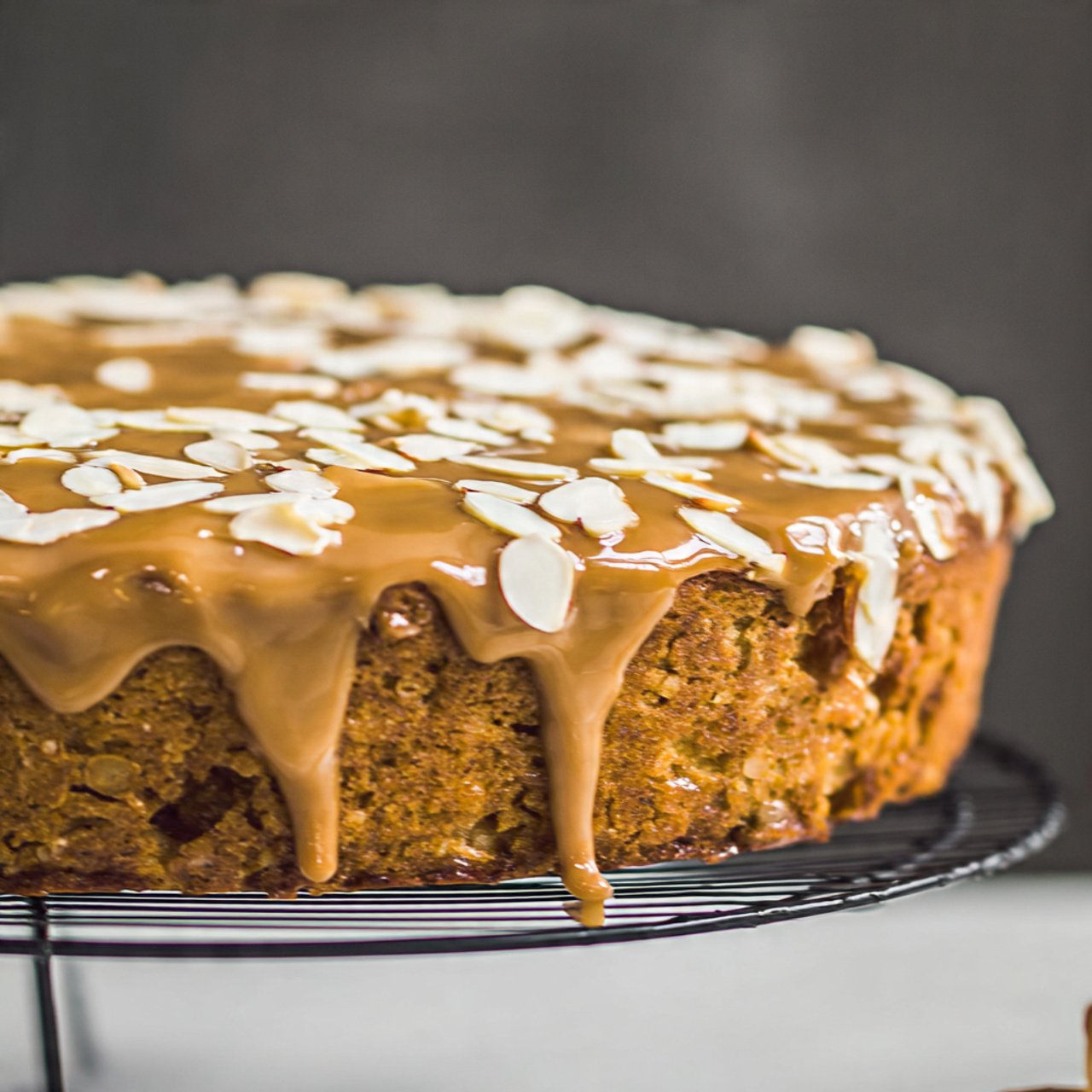
The almond olive oil cake recipe I turn to for family gatherings fills the kitchen with warm citrus and toasted nut aromas that always pull people close.
I bake this torta at 350°F, whisk the batter by hand, and fold in lemon zest and a splash of orange juice so each slice feels bright and tender. Gina DePalma’s approach guides my technique: a light whisked batter, clear doneness cues, and a brown butter glaze that finishes the top with toasted almonds.
From emulsifying oil into eggs and sugar to the gentle spring-back test, I’ll share the exact proportions and small tricks that keep the crumb delicate and moist for days. Expect straightforward steps, pantry-friendly ingredients, and an outcome that tastes like a well-loved family tradition.
Key Takeaways
- Whisk, don’t overbeat — it keeps the crumb light and elegant.
- Bake at 350°F and use visual cues: slight pull, spring-back, clean tester.
- Fold in citrus zest and a bit of orange juice for lift and balance.
- A brown butter glaze with toasted almonds adds bakery-level finish.
- This method makes a make-ahead dessert that stays moist and improves after resting.
Why this almond olive oil cake belongs in your baking rotation
This simple, oil-forward Italian treat earns a regular spot on my weekend baking list. It wins for moisture, a tender crumb, and a clean, balanced flavor that improves after a day of rest.
The method is quick: a whisk, a single bowl, and predictable 350°F oven timing. That makes it perfect for busy weeknights and last-minute guests.
Using quality olive oil keeps slices softer longer than butter, so you can bake ahead without losing texture. The almond component adds structure and a gentle nuttiness without heaviness, letting citrus and vanilla notes come through.
- Fast whisked batter—low effort, high reward.
- Holds moisture for next-day serving and small gatherings.
- Versatile: serve plain with coffee or dress with a glaze for company.
| Feature | Why it matters | Practical tip |
|---|---|---|
| Moist crumb | Stays tender longer than butter-based versions | Bake at 350°F and cool fully before slicing |
| Simple technique | Lower prep time and fewer tools | Whisk eggs and sugar, then fold in dry ingredients |
| Flavor profile | Balanced nuttiness with citrus and vanilla highlights | Add zest and a splash of juice for lift |
Ingredients and tools that set you up for success
Before we whisk, let’s line up each ingredient and tool so the batter comes together smoothly. A calm prep station saves time and keeps the crumb even.
Pan choices
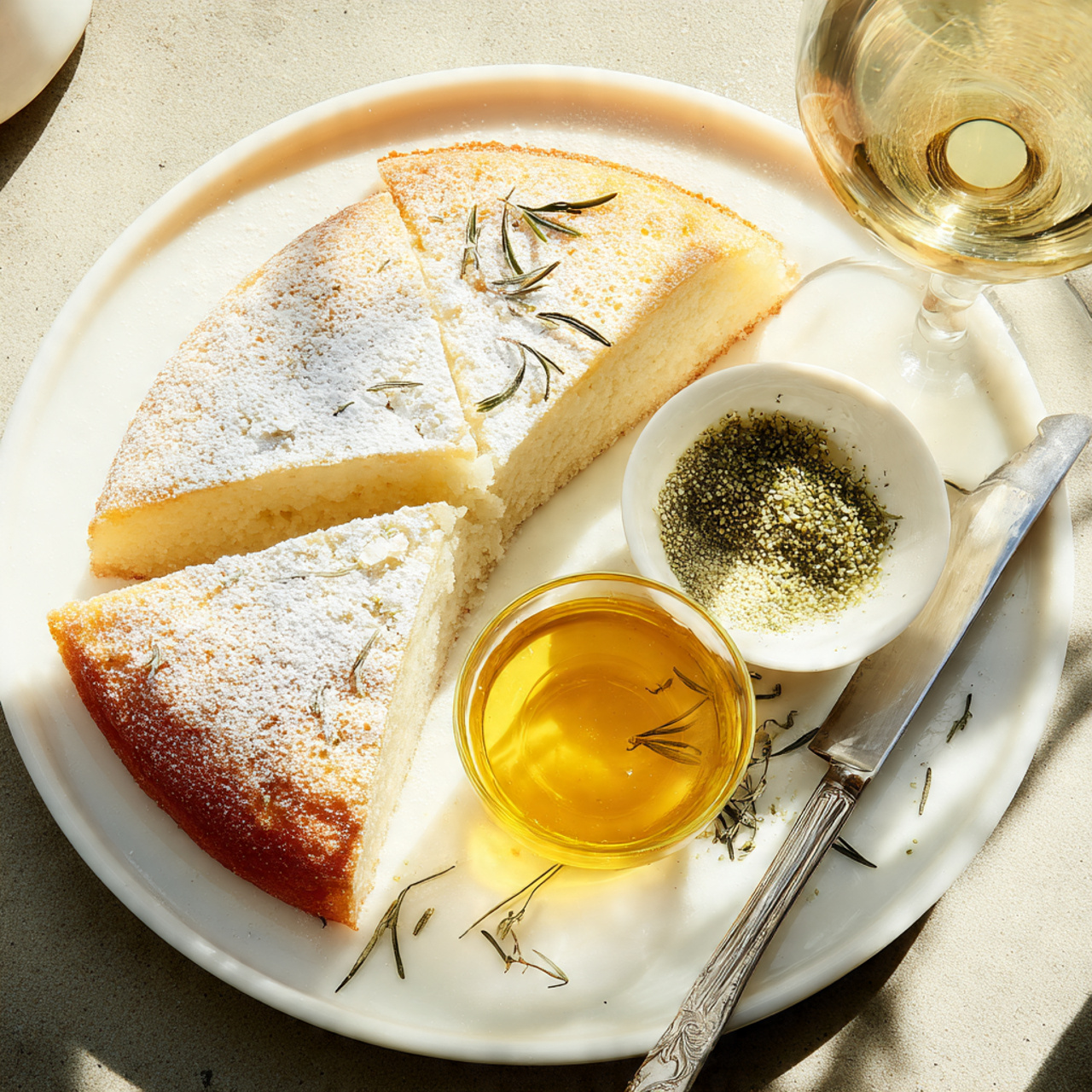
Use a 9-inch cake pan for a classic profile. A springform pan makes unmolding easier if you plan to glaze the sides.
Grease, flour, and set aside the pan before you mix. That small step prevents sticking and keeps edges neat.
Ingredient notes
Measure 1 cup all-purpose flour and 1/2 cup almond flour. Sifting both removes clumps and gives a finer texture to the final crumb.
Use 1 1/2 teaspoons baking powder and 1 teaspoon kosher salt to lift and balance. I count on 3 large eggs and 3/4 cup granulated sugar to build structure while staying tender.
Stir in 1/2 cup plus 1 tablespoon extra-virgin olive for moisture and subtle fruitiness. Zest one medium lemon, add 1/2 teaspoon vanilla extract and 1/4 teaspoon almond extract, then pour 1/2 cup orange juice for bright tenderness.
What to have ready
- Large mixing bowl and a second mixing bowl for dry ingredients.
- A reliable whisk and a fine sieve to catch stubborn powder clumps.
- A cooling rack nearby so you can transfer the pan promptly after baking.
- Measure cups on hand — cup measures streamline the process.
Almond olive oil cake recipe: step-by-step from bowl to oven 350°F
Follow these step-by-step cues and you’ll move from mixing bowl to a warm, golden pan with confidence.
Prep the pan and preheat
Preheat the oven to 350°F (180°C). Grease and flour a 9-inch pan or springform, tap out excess, and set aside so the batter can go in as soon as it’s prepared.
Whisk the wet
In a large mixing bowl, whisk the eggs until combined. Add the sugar and whisk about 30 seconds until glossy.
Stream in the olive oil while whisking steadily. Aim for a slightly lighter, thickened mixture — about 45 seconds for a quick emulsion or 5–7 minutes for a fuller, silkier texture.
Whisk in vanilla, almond extract, and citrus zest, then stir in the orange juice to keep the batter tender and fragrant.
Combine the dry and emulsify
In a separate bowl, whisk together the flour, almond flour, baking powder, and salt so the dry ingredients disperse evenly.
Add the dry to the wet and whisk together until smooth and emulsified — roughly 30 seconds. Stop as soon as no dry pockets remain; overmixing tightens the crumb.
Bake, test, unmold, and cool
- Pour batter into the prepared pan and smooth the top.
- Bake 30–45 minutes, rotating once for even color.
- Check doneness: edges should pull slightly from the sides, the center will spring back, and a tester should come out clean in the final minutes.
- Let the cake rest in the pan for 10 minutes, then unmold to a rack and cool completely before glazing or dusting.
Pro tips that make a bakery-level olive oil cake
Small technique shifts lift this simple loaf into something that feels straight from a neighborhood bakery. I focus on tasting, timing, and a light touch at every step.
Choosing good pantry oil
Use an olive oil you enjoy on salads. The batter may taste bold before baking, but the oven calms harsh notes and leaves a clean, fruity finish.
If you only have a budget oil, bake anyway. Citrus zest and a touch of extract keep the flavor bright and forgiving.
Almond flour options and texture
Blanched almond flour gives a pale, fine crumb and a silky mouthfeel. Natural almond flour leaves tiny specks and a rustic texture that reads homey and honest.
Mixing, timing, and doneness cues
Once dry meets wet, whisk briefly. Overworking the mixture tightens gluten and steals tenderness.
- Rotate the pan halfway for even color and rise.
- Trust visual cues: a slight pull from the sides, a gentle spring at the center, and a clean tester mean it’s done.
| Choice | Effect on crumb | When to use |
|---|---|---|
| Blanched almond flour | Paler, finer crumb | When you want an elegant slice |
| Natural almond flour | Speckled, rustic texture | When you want more bite and nuttiness |
| Decent olive oil | Adds nuance without bitterness | Use for clearer, fruit-forward flavor |
For a finishing touch, brown the butter to a light hazelnut shade, cool slightly, then mix into sugar and a splash of lemon. It sharpens sweetness and keeps slices clean. Cool fully before slicing, store covered at room temperature, and let the flavor mellow overnight for the best results.
Variations, finishes, and serving ideas
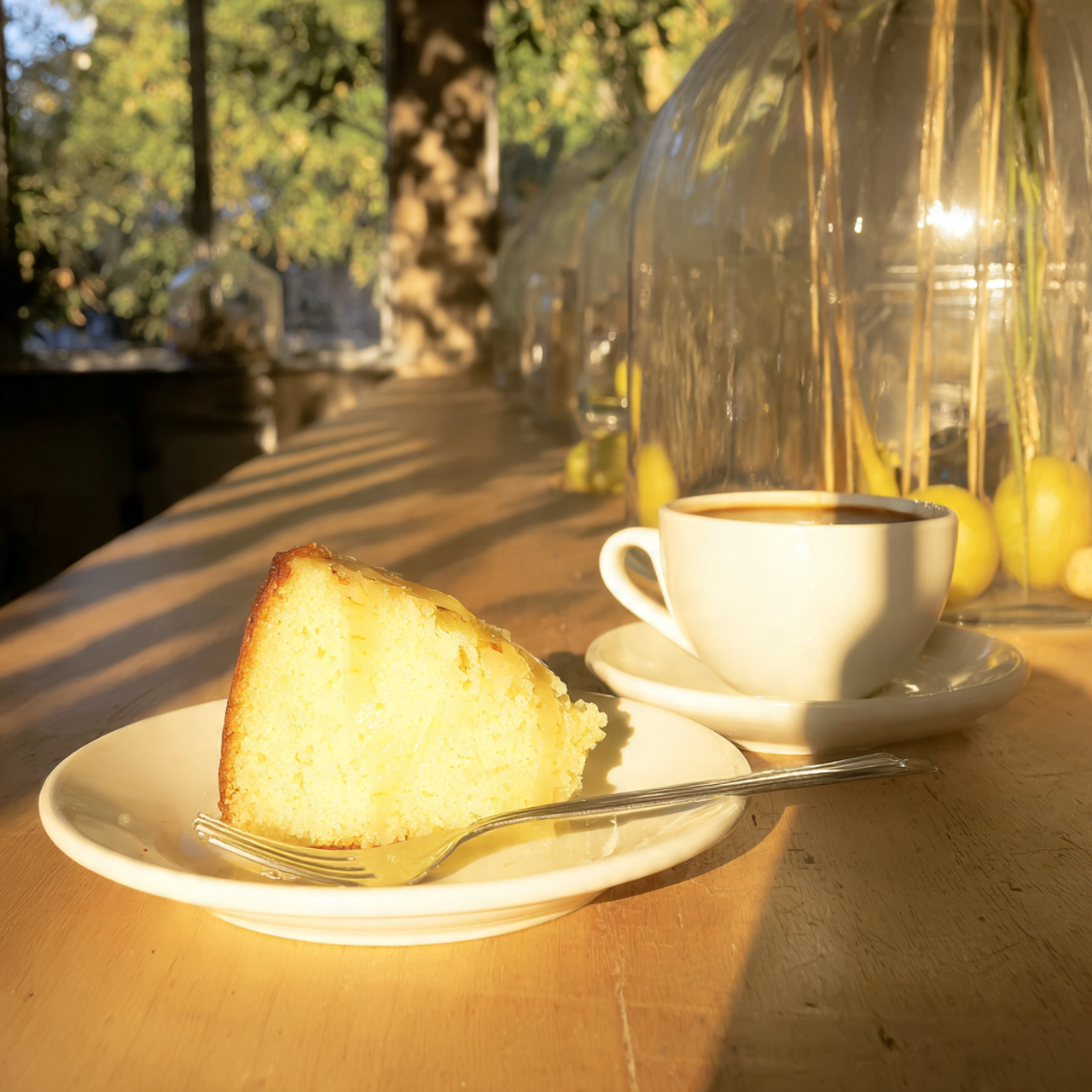
I treat the top as the last chance to add personality—sweet, tangy, or simply elegant. Small finishes make a loaf feel special and help each slice tell a story at the table.
Brown butter glaze with toasted sliced almonds
Brown 4 tablespoons butter over medium heat until nutty and light tan, about 3–4 minutes. Whisk it into 1 cup confectioners’ sugar with a splash of milk and a squeeze of lemon until smooth.
Fold in 1/4 cup toasted sliced almonds, then spread the glaze over the cooled cake. Let it set before slicing so the top holds a glossy finish.
Citrus and floral pairings
For bolder citrus, serve slices with blood orange curd. The tart curd brightens the crumb and balances sweetness.
On celebration days, layer with raspberry rose buttercream for a floral lift that turns a simple oil cake into a showstopper.
Simple elegance and storage
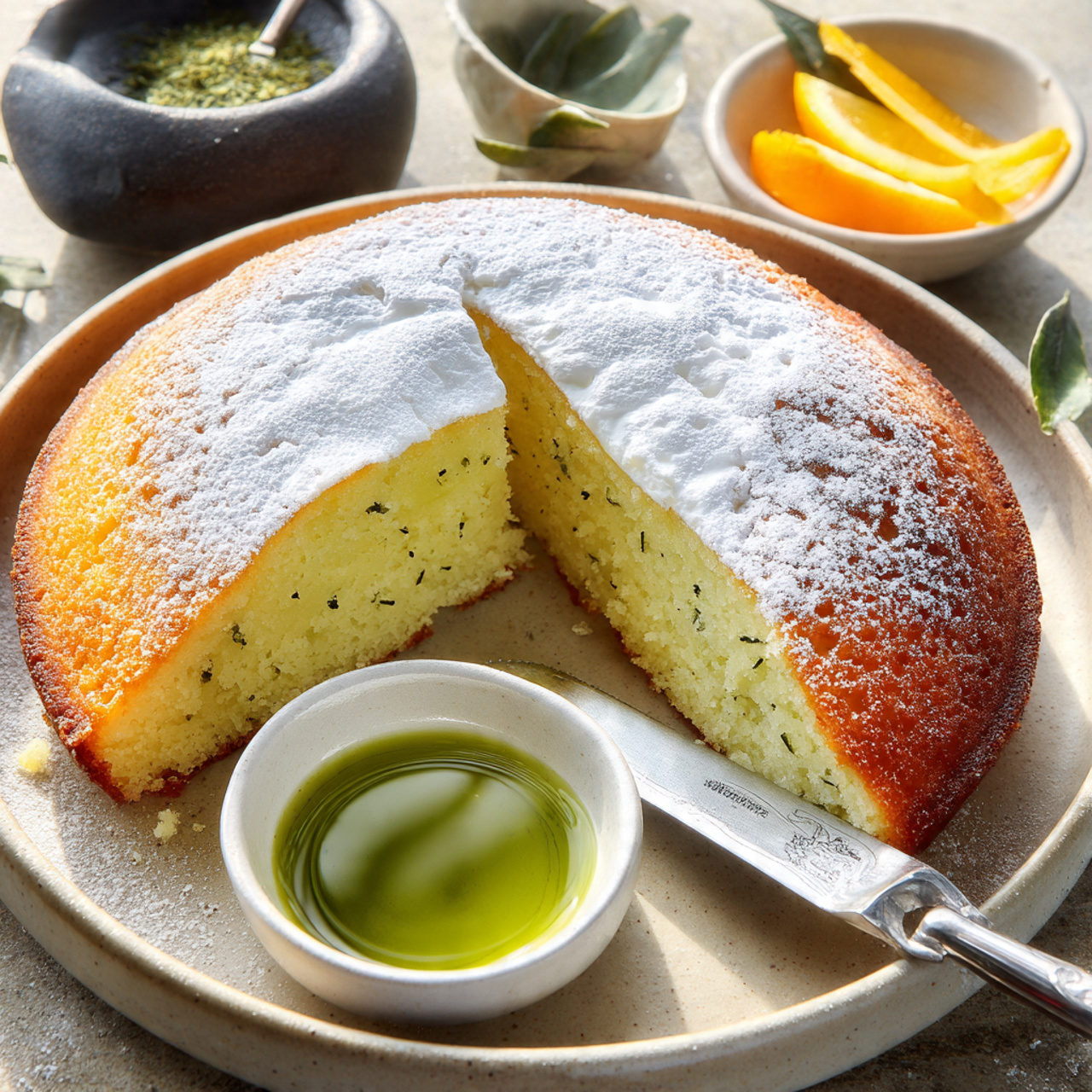
- Sift powdered sugar over the top just before serving for café-chic appeal.
- If you used a springform pan, release the ring and glaze the sides for clean edges; a cake pan works too.
- Serve at room temperature. Store covered at room temp; flavors meld and the slice becomes more tender by day two.
| Finish | When to use | Effect |
|---|---|---|
| Brown butter glaze | Entertaining, loaf or pan | Buttery, nutty sheen with crunchy almonds on top |
| Blood orange curd | Bright citrus pairing | Tart contrast that lifts each bite |
| Powdered sugar | Quick, everyday service | Clean look that highlights the crumb |
Bake it today and taste why this Italian-style almond cake becomes a family favorite
Whisk the batter in one bowl, pour it into your pan, and in under an hour you’ll have a fragrant, tender loaf to share. Bake at 350°F for 30–45 minutes and trust the spring-back and clean tester cues for doneness.
Finish simply with a dusting of powdered sugar for everyday ease. Or make a quick brown butter drizzle, scatter toasted almonds across the top, and watch it become the centerpiece.
This olive oil cake keeps well and often tastes better the next day. So set the table, brew espresso or tea, and bake with confidence — you’ll make memories and a keeper for your baking rotation.
Almond Olive Oil Cake
Ingredients
Method
- Preheat oven to 350°F (180°C).
- Grease and flour a 9-inch cake pan or springform pan. Tap out extra flour and set aside.
- In a large mixing bowl, whisk the eggs until combined.
- Add the sugar and whisk for about 30 seconds until glossy.
- Slowly stream in the olive oil while whisking. The mixture should thicken slightly.
- Whisk in the lemon zest, vanilla extract, almond extract, and orange juice.
- In a second bowl, whisk together the flour, almond flour, baking powder, and salt.
- Add the dry ingredients to the wet bowl.
- Whisk just until the batter is smooth and no dry spots remain. Do not overmix.
- Pour batter into the prepared pan and smooth the top.
- Bake 30–45 minutes, rotating halfway through.
- The cake is done when the edges pull slightly from the pan, the center springs back, and a tester comes out clean.
- Let the cake rest in the pan for 10 minutes.
- Unmold and cool completely on a rack.
- Melt butter in a pan and cook until lightly browned and nutty, about 3–4 minutes.
- Whisk with confectioners’ sugar, a splash of milk, and a little lemon juice.
- Fold in toasted sliced almonds.
- Spread over the cooled cake and let it set.
Notes
- Use mild, good-quality olive oil. Strong or peppery oil can overwhelm the flavor.
- Room-temperature eggs blend more smoothly and help keep the crumb light.
- This cake tastes even better the next day as the citrus and almond flavors settle.
- Blanched almond flour gives a softer crumb; natural almond flour adds a rustic look.