
Jump to Recipe
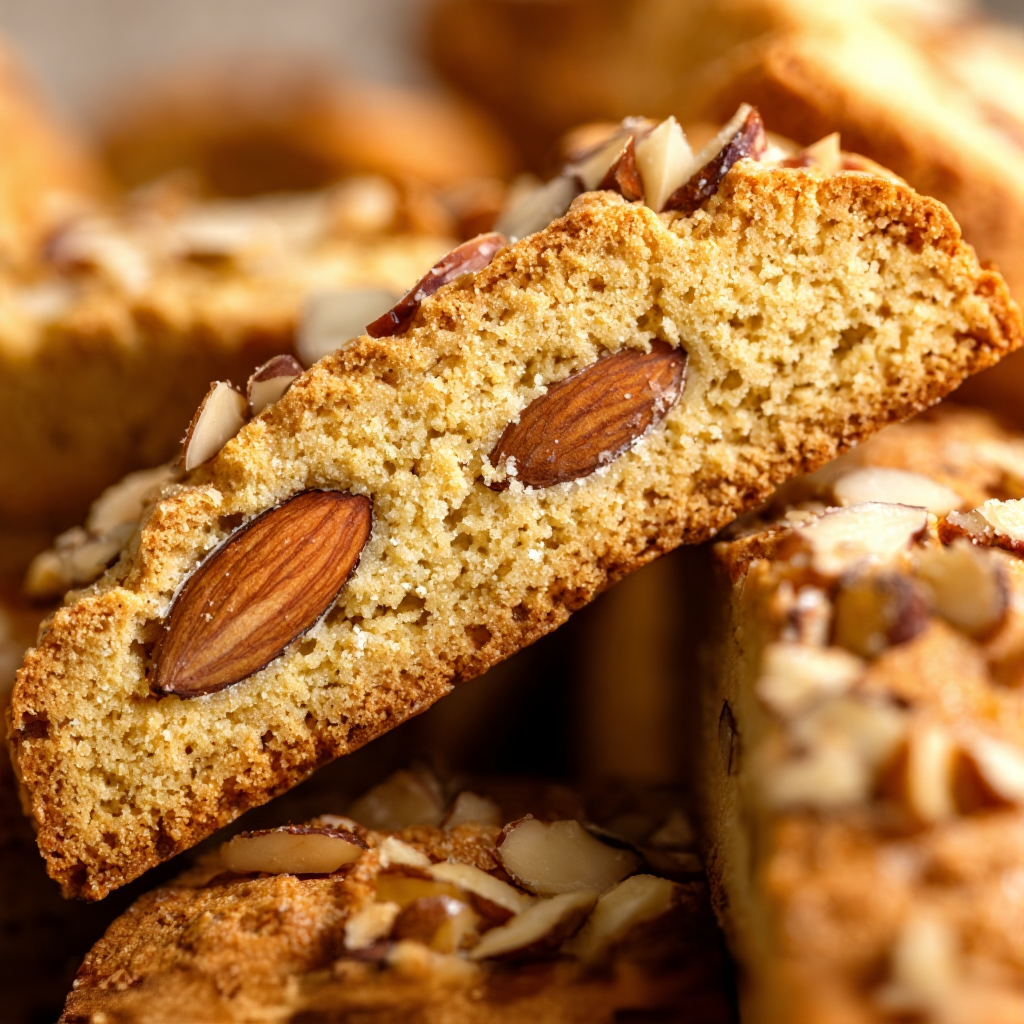
The kitchen fills with memories when certain aromas begin to dance. Warm almonds, subtle vanilla, and citrus zest transport you to a sunlit Tuscan farmhouse. My grandmother’s hands moved with quiet confidence when she prepared these treasured cookies.
She transformed simple ingredients into something magical that connected generations. These authentic Italian biscotti are more than just a recipe. They’re a delicate bridge between family traditions and the simple joy of sharing something special.
Each crisp bite tells a story of careful crafting. These cookies have been passed down through decades of Italian home cooking.
Key Takeaways
- Authentic Italian biscotti represent a centuries-old culinary tradition
- The traditional almond biscotti recipe requires minimal ingredients
- Twice-baked method creates a unique, crunchy texture
- These cookies pair perfectly with espresso or Vin Santo wine
- Homemade biscotti connect you directly to Italian cultural heritage
What Makes Authentic Italian Almond Biscotti Special
Discovering the magic behind traditional cantuccini reveals a delicious piece of Italian culinary heritage. These twice-baked almond cookies carry centuries of rich history from Tuscany’s heart. A simple recipe transforms into a cultural treasure.
The History of Cantucci from Tuscany
The story of traditional cantuccini begins in Prato, a charming Tuscan city. The word “cantuccio” means a small piece or corner of bread. This reflects the cookie’s rustic roots.
Sailors and travelers cherished these classic biscotti recipe creations for their incredible durability. They were perfect for long journeys.
- Originated in Prato, Tuscany
- Name derived from “small piece of bread”
- Designed for long-lasting preservation
Why Traditional Biscotti Are Twice-Baked
The unique twice-baked technique gives these almond cookies their signature crunch. It also extends their shelf life. Bakers create a crisp texture perfect for dunking in coffee or sweet wine.
| Baking Stage | Purpose | Result |
|---|---|---|
| First Bake | Create initial log shape | Soft dough formation |
| Second Bake | Dry and crisp the cookies | Crunchy texture |
Authentic Italian biscotti traditionally contained no butter. This made them incredibly shelf-stable. They were a perfect companion for travelers and maritime expeditions, embodying practical Italian culinary ingenuity.
Almond Biscotti Recipe Traditional: Ingredients and Preparation
Authentic crunchy homemade biscotti needs carefully selected ingredients and traditional techniques. These methods come from generations of Italian home cooks. Our recipe for Italian almond biscuits celebrates classic Tuscan baking simplicity.
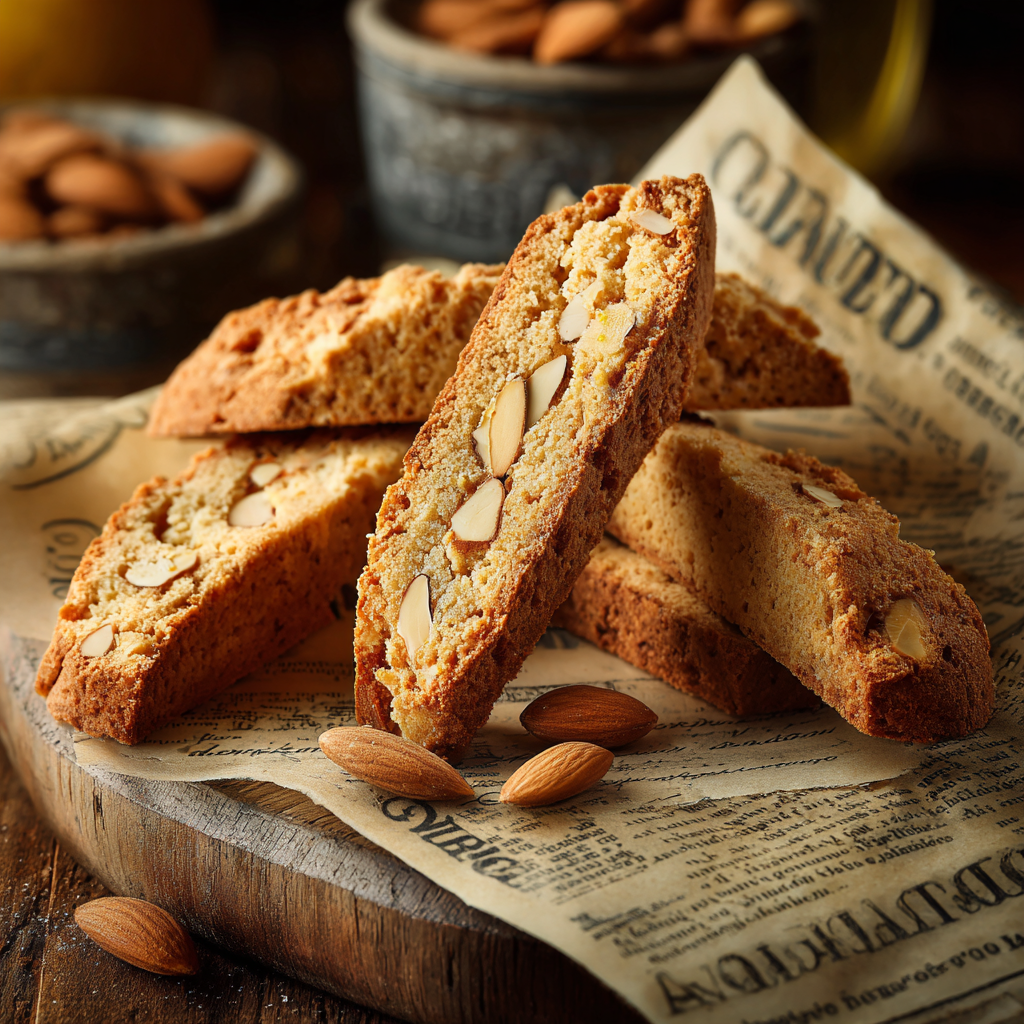
Let’s explore the key ingredients you’ll need for these delightful treats:
- 2 cups Italian 00 flour (or all-purpose flour)
- 1 teaspoon baking powder
- 1/4 teaspoon salt
- 3/4 cup granulated white sugar
- 2 large eggs (room temperature)
- 1 teaspoon vanilla extract
- Zest of one lemon
- 1 cup raw unblanched almonds
Preparing these traditional Italian almond biscuits involves a few crucial steps. Start by toasting the almonds in a dry skillet until fragrant. This step awakens their rich, nutty flavor.
In a mixing bowl, beat the eggs and sugar until pale and fluffy. This technique creates a light, tender texture that’s characteristic of authentic biscotti. Add vanilla extract and lemon zest, mixing until well combined.
In a separate bowl, whisk together the flour, baking powder, and salt. Gradually fold the dry ingredients into the wet mixture. The dough should feel slightly sticky—resist adding extra flour.
Gently fold in the toasted almonds. Distribute them evenly throughout the dough.
Shape the dough into two logs on a baking sheet. Flatten them to about 3/4 inch thick. The first bake transforms these logs into the classic biscotti shape.
Mastering the Twice-Baked Technique for Perfect Crunch
Creating the best almond biscotti requires mastering a unique baking technique. This method transforms simple ingredients into a culinary masterpiece. The old-world biscotti recipe demands precision and patience with a special twice-baked approach.
Learning this traditional technique is like unlocking a secret from Italian bakers. Each step matters greatly. Everything from shaping the dough to achieving that signature crisp texture is important.
Crafting the Initial Log Shape
Preparing your biscotti dough requires following these crucial steps for perfect formation:
- Use parchment-lined baking sheets for easy removal
- Shape dough into logs approximately 3/4-inch thick
- Smooth edges with gentle hand pressure
- Leave space between logs to prevent spreading
The first bake transforms your raw dough into a golden foundation. Bake at 350°F for 20-25 minutes until the surface turns light golden. The center should remain slightly soft.
Patience is key during the 30-minute cooling period.
Achieving the Signature Crispy Texture
Slicing and second baking define the authentic crunch of traditional biscotti:
- Use a sharp serrated knife for clean cuts
- Slice logs diagonally at your preferred angle
- Place cookies cut-side up on baking tray
- Reduce oven temperature to 325°F
The second bake takes 12-16 minutes. Watch carefully to achieve the perfect golden-brown color.
Biscotti will continue hardening as they cool. This creates that classic crisp texture characteristic of the best almond biscotti.
| Baking Stage | Temperature | Time | Key Observation |
|---|---|---|---|
| First Bake | 350°F | 20-25 minutes | Light golden color |
| Second Bake | 325°F | 12-16 minutes | Golden-brown crisp |
Your commitment to this old-world biscotti recipe will reward you with authentic, crunchy Italian biscotti. These cookies will transport you straight to a traditional Italian kitchen.
Serving and Storing Your Homemade Italian Biscotti
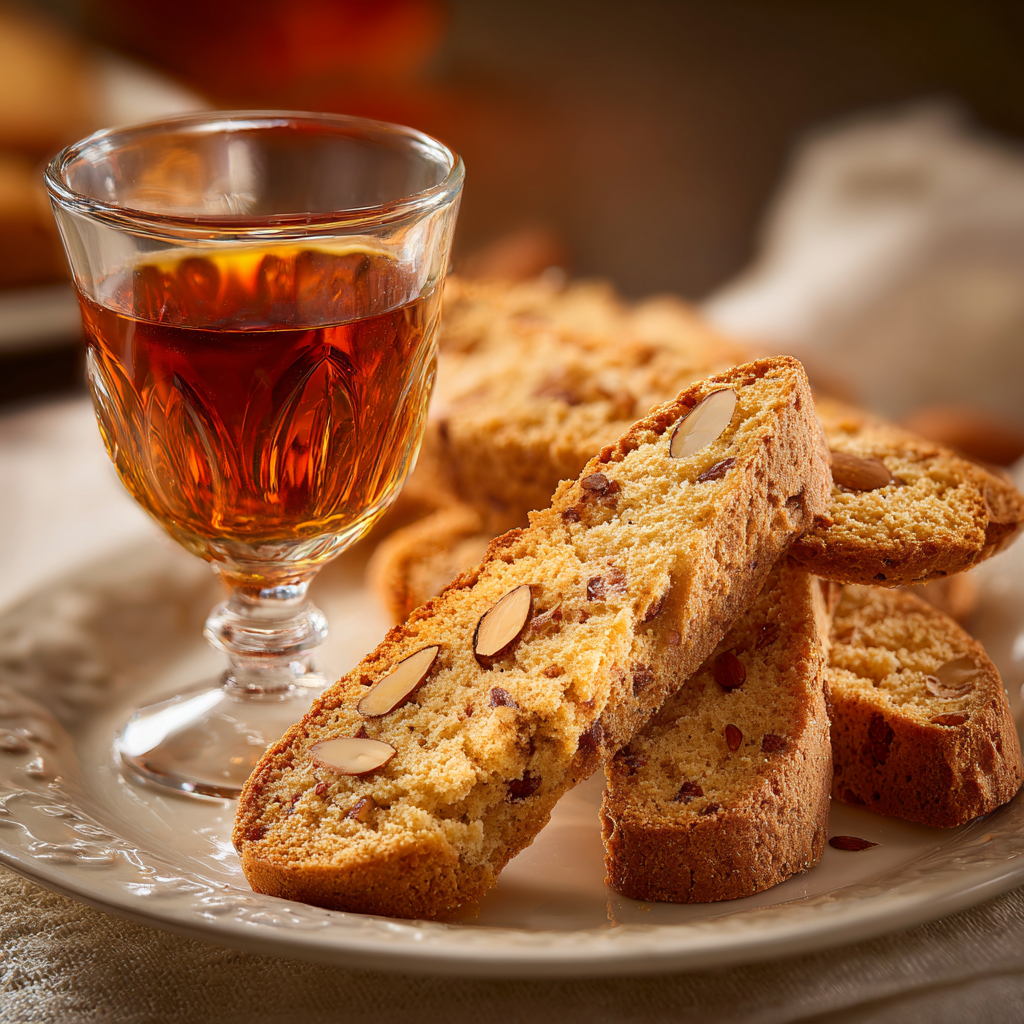
Our traditional homemade Italian cookies have a special place at the end of any meal. The authentic way to enjoy these crisp cantucci is with a glass of Vin Santo. This sweet Italian dessert wine transforms your biscotti experience.
The nutty almond flavor of the cookies perfectly complements the wine’s delicate vanilla and caramel notes.
These sturdy treats are more forgiving than delicate butter-based cookies. Keep your homemade Italian cookies in an airtight container or classic cookie tin. Traditional biscotti can last up to a month, while butter-enriched versions stay fresh for about a week.
They make wonderful gifts during holidays, bringing a taste of Italian tradition to your loved ones.
Try biscotti variations by swapping almonds with pistachios or hazelnuts. Add dried cherries or orange zest for a unique twist. For an extra indulgence, dip your biscotti in melted chocolate or sprinkle with warming spices like cinnamon.
Pro tip: If your cookies become soft, simply refresh them in the oven at 300°F for 5-8 minutes.
Beyond Vin Santo, these versatile Italian dessert cookies pair beautifully with morning coffee or after-dinner espresso. Honoring tradition or creating your own family recipe, these homemade Italian cookies connect us to generations of culinary love.
Authentic Italian Almond Biscotti (Traditional Cantucci)
Ingredients
Method
- Place the almonds in a dry skillet over medium heat. Toast until lightly golden and fragrant. Set aside to cool.
- In a bowl, beat the eggs and sugar until the mixture turns pale and slightly fluffy. Add vanilla extract and lemon zest. Mix again.
- In a separate bowl, whisk together the flour, baking powder, and salt.
- Gradually fold the dry ingredients into the wet mixture. The dough should feel sticky—avoid adding extra flour. Gently fold in the toasted almonds.
- Line a baking sheet with parchment paper. Divide the dough in half and shape into two logs, each about 3/4 inch thick. Leave space between them to prevent spreading.
- Bake at 350°F (175°C) for 20–25 minutes, until the logs are lightly golden but still soft in the center. Let them cool for 30 minutes.
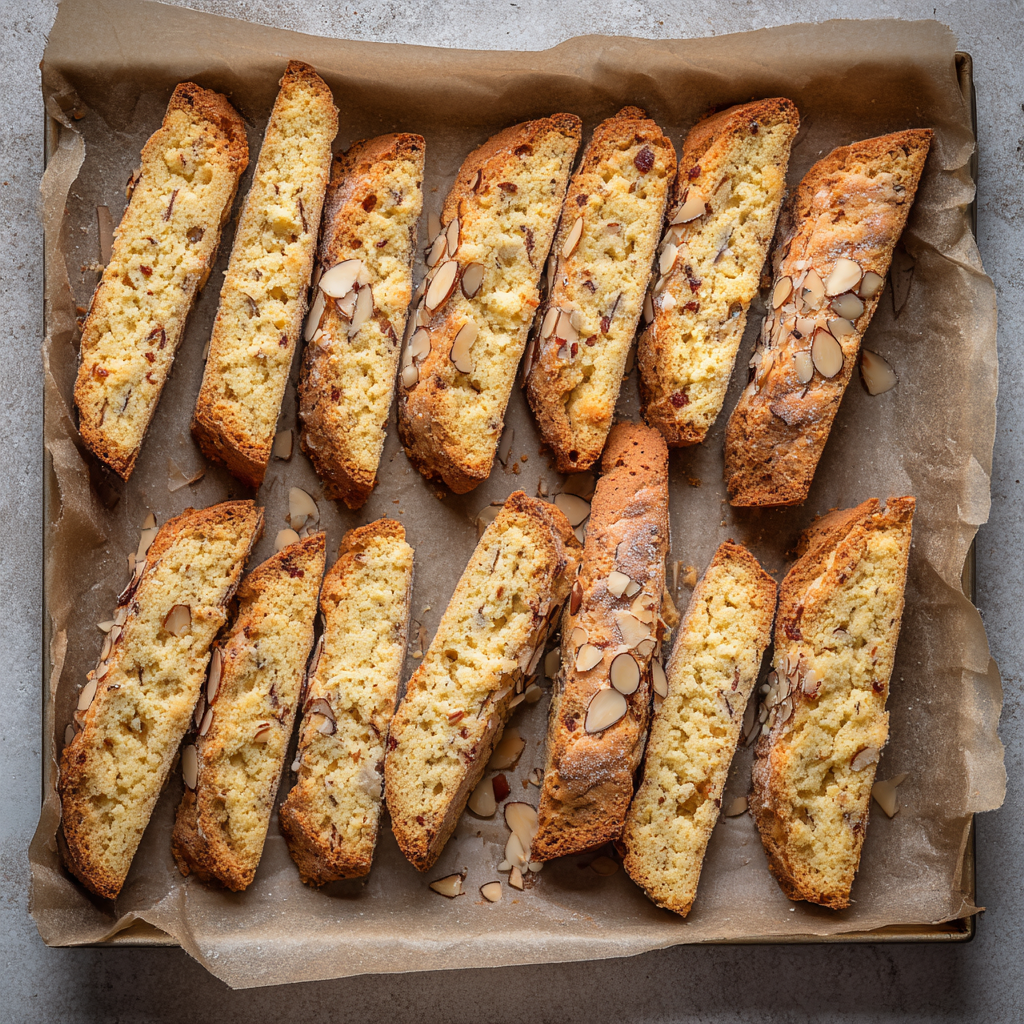
- Using a sharp serrated knife, slice the logs diagonally into 1/2–3/4-inch cookies.
- Reduce the oven temperature to 325°F (160°C). Place the slices cut-side up on the baking sheet and bake for 12–16 minutes, until golden and crisp.
- Cool completely. They will continue to harden as they cool, developing their classic crunchy texture.
Notes
- Biscotti improve in texture after a day — they become crunchier and even more flavorful.
- For a softer bite, take 2–3 minutes off the second bake.
- Store them in an airtight container. Traditional (butter-free) biscotti last up to a month.
- If they soften over time, warm them in a 300°F oven for 5–8 minutes to refresh their crunch.
- These are meant to be dipped — espresso, cappuccino, or Vin Santo are the classic pairings.