
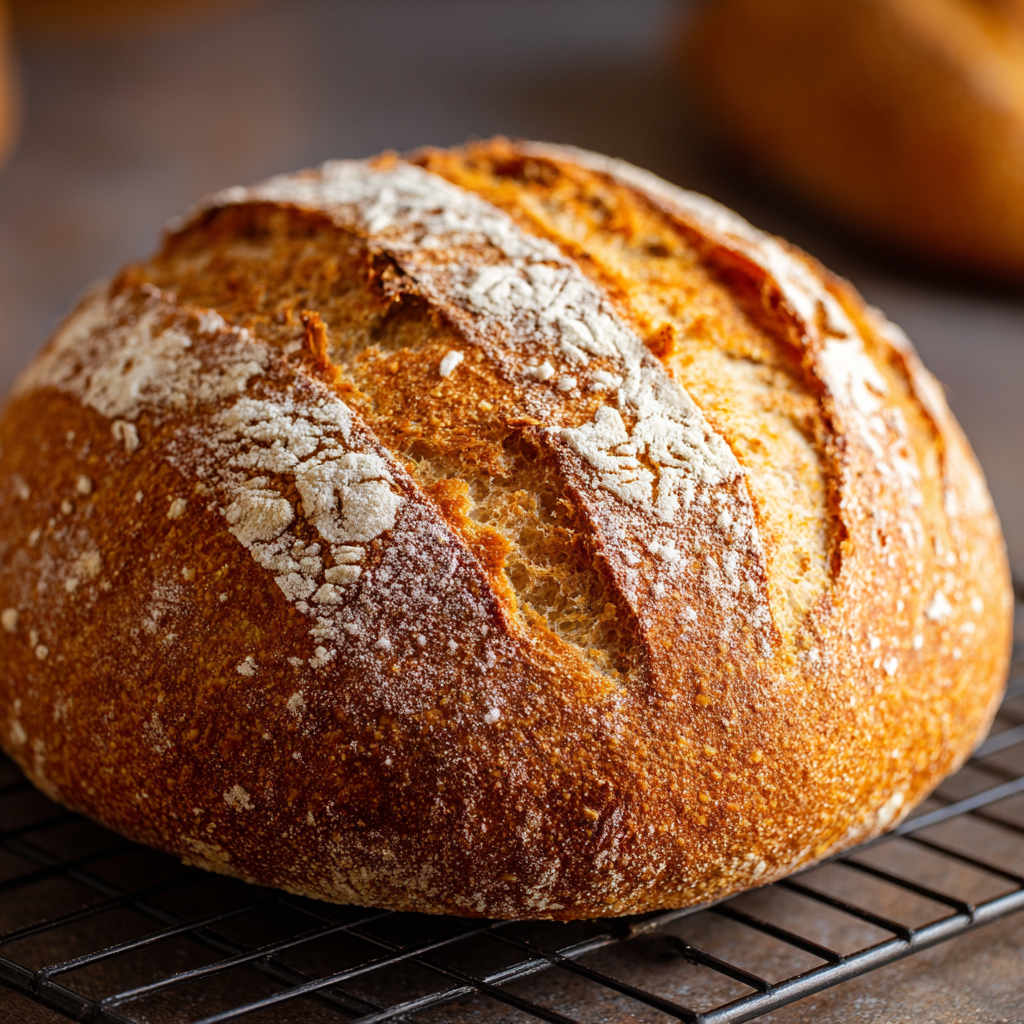
Jump to Recipe
The kitchen fills with a warm, earthy aroma that speaks of generations past. My hands know this rhythm—kneading dough passed down through whispers and gentle touches. This connects me to the heart of Italian culinary tradition.
Every time I prepare this italian whole wheat bread recipe, I’m reminded of something important. Bread is more than food—it’s a story waiting to be shared.
Pane integrale whole wheat italian bread isn’t just another recipe. It’s a connection to centuries of baking wisdom. This humble yet profound expression of Italian culture transforms simple ingredients into something truly magical.
Key Takeaways
- Authentic pane integrale represents generations of Italian baking tradition
- Whole wheat bread can be light and flavorful when prepared correctly
- Traditional baking methods create deeper, more complex flavor profiles
- Homemade bread connects us to cultural culinary heritage
- Slow fermentation techniques improve bread’s digestibility and taste
What Makes Pane Integrale Whole Wheat Italian Bread Different from Regular Bread
Authentic whole grain Italian bread is more than just another loaf. It’s a culinary tradition that transforms simple ingredients into something magical. Traditional Italian whole wheat bread stands apart from ordinary supermarket varieties.
This bread uses meticulous preparation and deep respect for ingredient quality. Pane integrale reveals two critical elements that make it extraordinary.
The Role of Stone-Ground Whole Wheat Flour in Traditional Italian Baking
Stone-ground whole wheat flour represents the heart of authentic Italian bread-making. Traditional stone mills preserve the entire wheat kernel. They keep vital nutrients and natural oils intact.
This method creates a flour with special qualities:
- Richer nutritional profile
- More complex flavor characteristics
- Natural nutty undertones
- Enhanced digestibility
Why Italian Bakers Use a Biga Starter for Deeper Flavor
The secret weapon of traditional Italian whole wheat bread is the biga starter. This slow-fermentation technique transforms ordinary ingredients into an extraordinary loaf. Bakers allow the starter to develop over 6-24 hours.
This process unlocks deeper flavors and improves bread texture.
| Biga Starter Characteristic | Flavor Impact |
|---|---|
| Long Fermentation Time | Enhanced Complexity |
| Slow Biological Process | Better Digestibility |
| Natural Enzyme Development | Improved Bread Structure |
These traditional techniques create bread that’s more than just sustenance. It’s a celebration of Italian culinary heritage.
Essential Ingredients for Authentic Homemade Italian Wheat Bread
Making perfect homemade Italian wheat bread starts with choosing the right ingredients. Our family’s traditional recipe uses high-quality components. These simple ingredients transform into a masterpiece of culinary craft.
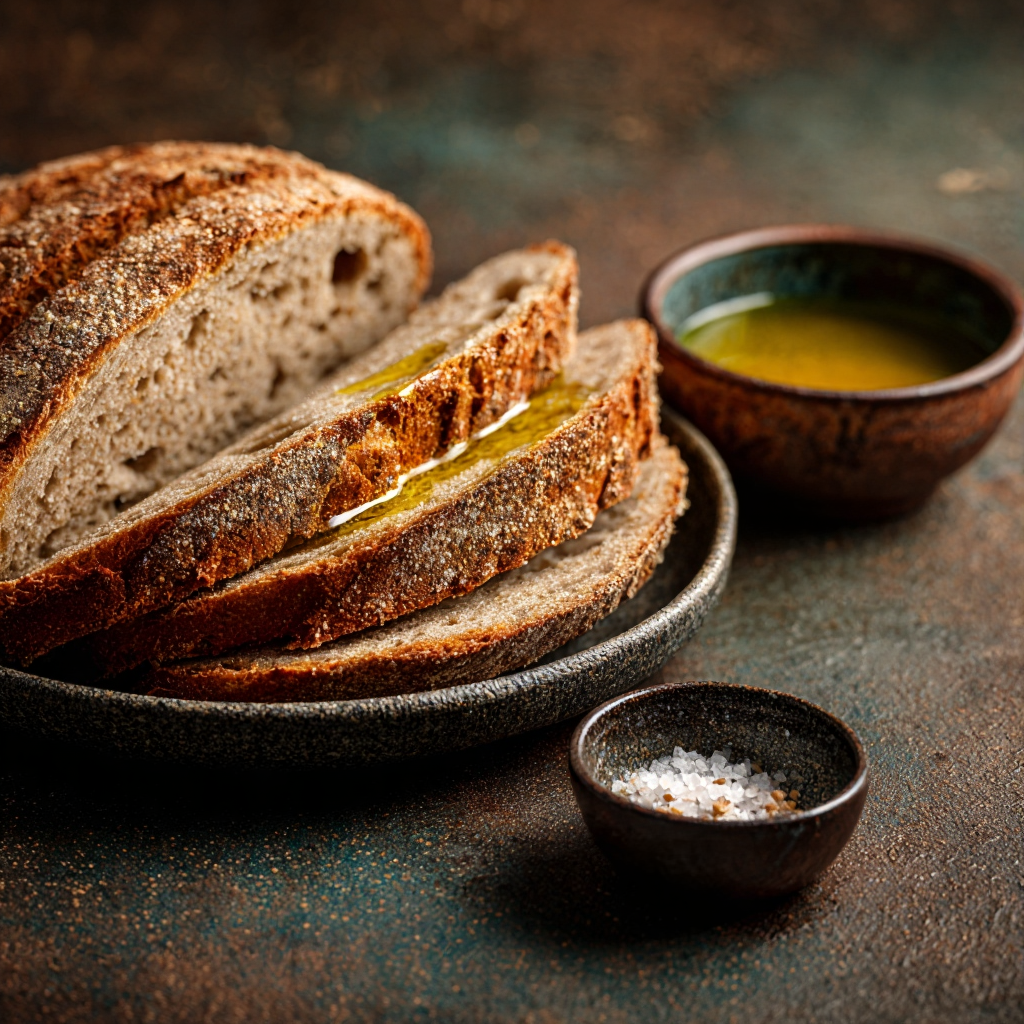
The heart of great homemade Italian wheat bread lies in its flour. We recommend blending stone-ground whole wheat flour with unbleached all-purpose flour. This combination ensures robust flavor while maintaining a tender crumb.
- Stone-ground whole wheat flour (1 cup)
- Unbleached all-purpose flour (3 cups)
- Active dry yeast (1 tablespoon)
- Warm water (110-115°F)
- Extra-virgin olive oil
- Sea salt
The yeast is crucial for our artisanal Italian bread. We use active dry yeast proofed in warm water. This creates the perfect environment for fermentation.
A touch of extra-virgin olive oil adds richness to the dough. Sea salt balances the flavors perfectly. It also strengthens the dough’s structure.
| Ingredient | Quantity | Purpose |
|---|---|---|
| Whole Wheat Flour | 1 cup | Provides nutty flavor and nutritional depth |
| All-Purpose Flour | 3 cups | Creates light, tender texture |
| Active Dry Yeast | 1 tablespoon | Enables fermentation and rise |
| Extra-Virgin Olive Oil | 1-2 tablespoons | Adds richness and moisture |
Our secret weapon is a splash of honey or pinch of barley malt. This feeds the yeast and adds subtle sweetness. An egg wash gives the bread a beautiful golden sheen.
A sprinkle of wheat bran adds rustic, authentic texture. This finishing touch speaks to generations of Italian baking traditions.
Step-by-Step Instructions for Baking Rustic Whole Wheat Italian Loaf
Making simple ingredients into a Mediterranean whole grain baking masterpiece requires patience and technique. Our rustic whole wheat Italian loaf starts with understanding the delicate art of bread making. This craft has been perfected over generations in Italian kitchens.
Crafting an authentic rustic whole wheat Italian loaf involves several crucial steps. These steps blend traditional techniques with careful preparation. Let me walk you through the magical process of creating bread that connects you to Italian culinary heritage.
Preparing the Overnight Starter for Maximum Flavor Development
The biga starter is the heart of our Mediterranean whole grain baking technique. Here’s what you’ll need:
- 1/4 teaspoon active dry yeast
- 2/3 cup warm water
- 1 1/2 cups unbleached flour
Mix these ingredients until you create a shaggy dough. Cover tightly and let it rest at room temperature for 6-24 hours. This slow fermentation develops deep, complex flavors characteristic of authentic Italian bread.
Shaping Techniques for an Artisanal Italian Bread Appearance
Shaping your rustic whole wheat Italian loaf requires gentle handling. This preserves the beautiful air pockets created during fermentation. Choose from these traditional Italian techniques:
- Classic round boule
- Elongated oval loaf
- Free-form rustic shape
| Technique | Description | Difficulty |
|---|---|---|
| Round Boule | Tight ball shape pulled from edges underneath | Beginner |
| Oval Loaf | Elongated shape maintaining soft interior structure | Intermediate |
| Free-Form | Organic shape reflecting traditional artisan methods | Advanced |
Bake at 375°F for 30-35 minutes. The bread is ready when it develops a golden-brown crust and sounds hollow when tapped. Your kitchen will fill with an irresistible aroma that transports you to the Italian countryside.
Serving Suggestions and Storage Tips for Your Mediterranean Whole Grain Baking
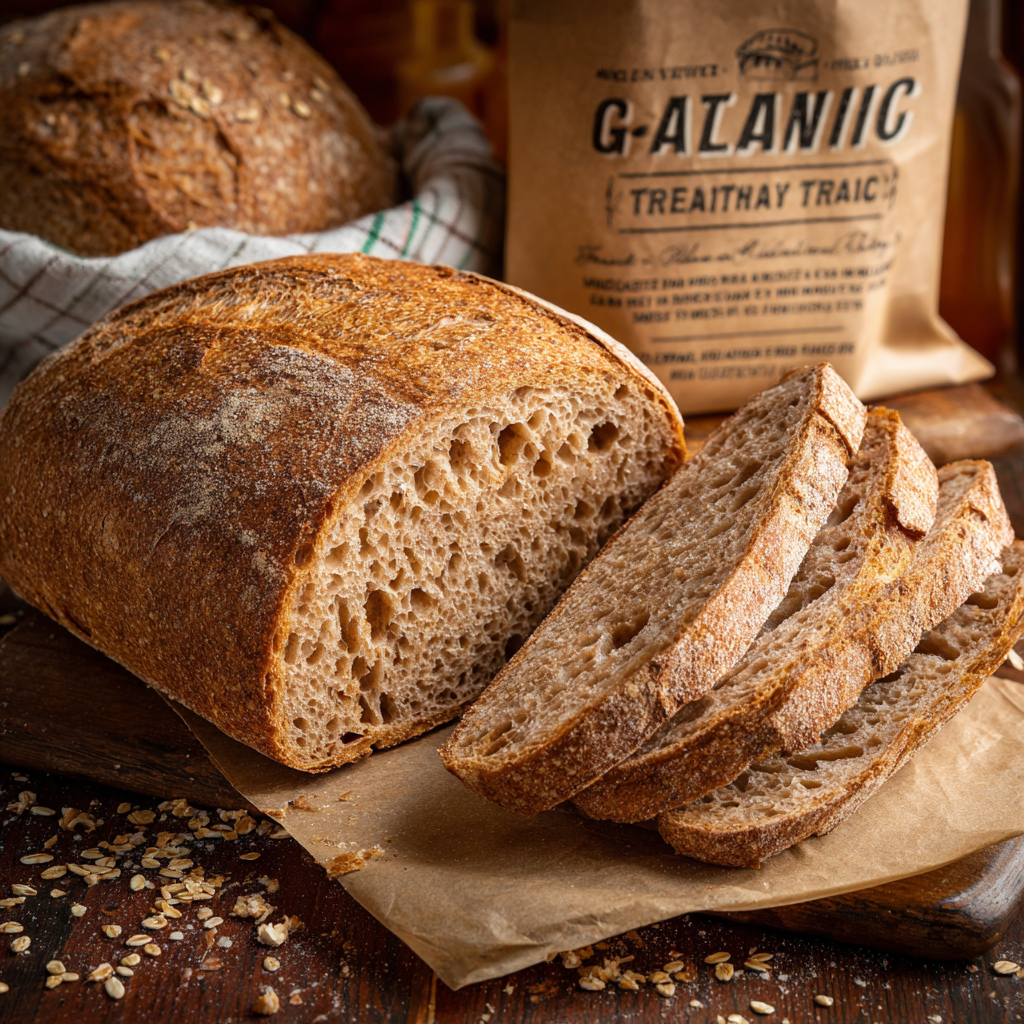
Fresh from the oven, our Italian bakery whole wheat bread transforms any meal into something special. I love serving this rustic loaf with a drizzle of young extra-virgin olive oil. Its nutty flavors really shine through.
For breakfast, toast thick slices and spread with creamy ricotta and honey. You can also pair it with orange marmalade for a traditional Italian morning treat.
This whole wheat bread becomes the perfect canvas for bruschetta. Rub a garlic clove across the toasted surface and top with ripe tomatoes. Add fresh oregano and a generous splash of olive oil.
Its sturdy texture makes it ideal for soaking up rich broths in hearty Italian soups. Try it with ribollita or alongside cured meats and roasted vegetables.
Storing your Italian bakery whole wheat bread requires a bit of traditional wisdom. Keep it at room temperature wrapped in a clean kitchen towel or paper bag. Never use plastic.
If the bread starts to harden, don’t worry! Italians transform day-old bread into delicious breadcrumbs, panzanella salad, or crispy bruschetta. For longer storage, slice and freeze the bread, toasting directly from frozen.
Bread is more than food—it’s a connection to tradition, family, and simple joy. Each slice tells a story of generations of Italian bakers. Good bread is a celebration of life itself.
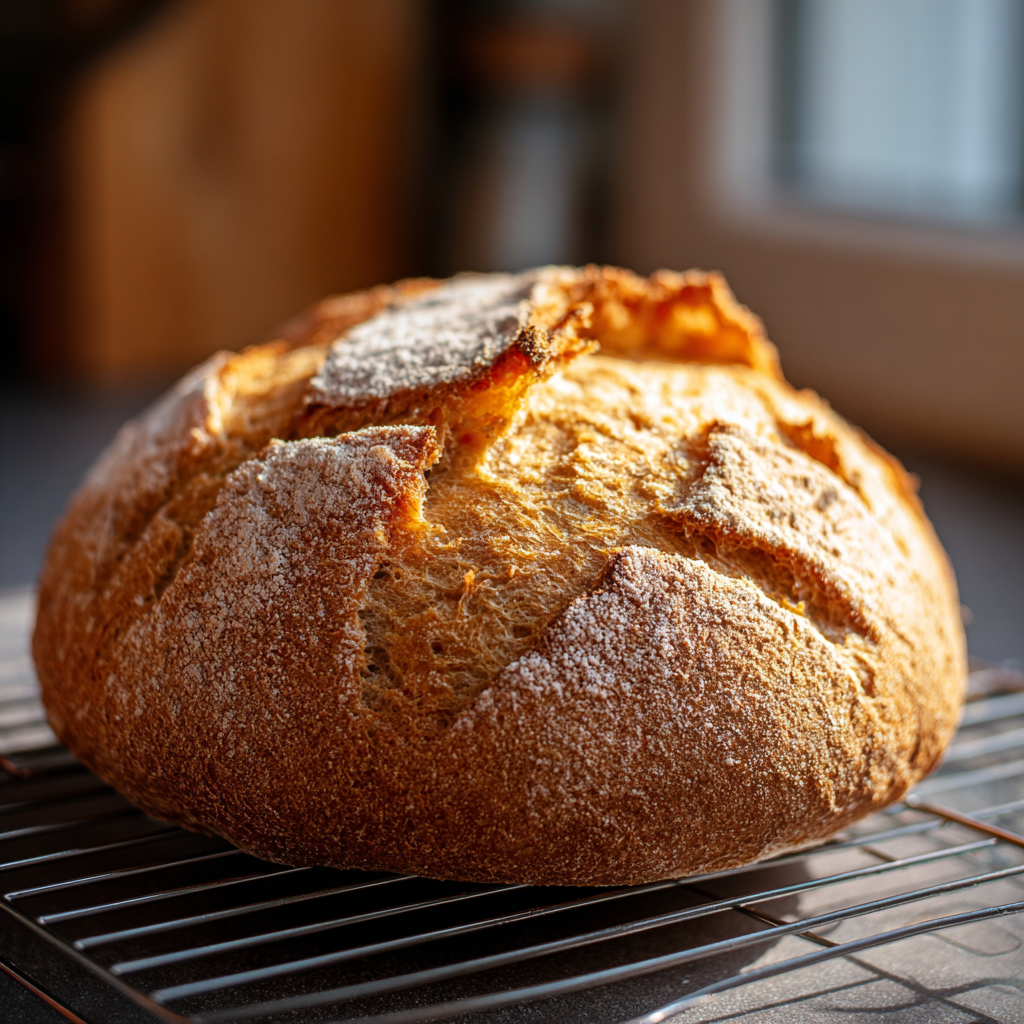
Pane Integrale – Authentic Whole Wheat Italian Bread
Ingredients
Method
- In a bowl, mix the flour, warm water, and yeast.
- Stir until it becomes a shaggy, sticky dough.
- Cover tightly and let it sit at room temperature for 6–24 hours.
- The biga should look puffed, airy, and slightly fragrant.
- In a large bowl, dissolve 1 tablespoon yeast in warm water. Let it sit 5 minutes.
- Stir in the honey (optional), olive oil, and all of the biga starter.
- Add the whole wheat flour and mix.
- Add the all-purpose flour and salt. Mix until it forms a soft dough.
- Knead on a floured surface for 8–10 minutes, until smooth and elastic.
- Place the dough in a lightly oiled bowl.
- Cover and let rise for 1–1.5 hours, or until doubled.
- Choose your style:
- Round boule
- Oval loaf
- Rustic free-form shape
- To shape:
- Gently press the dough into a loose rectangle.
- Fold edges toward the center and tuck underneath to create surface tension.
- Place on a parchment-lined baking sheet.
- Brush lightly with egg wash if you want a golden crust.
- Sprinkle wheat bran on top if you want a rustic finish.
- Cover the shaped loaf with a towel.
- Let rise 30–45 minutes.
- Preheat oven to 375°F (190°C).
- Score the top with a sharp knife.
- Bake 30–35 minutes until golden brown.
- Tap the bottom—if it sounds hollow, it’s done.
- Cool completely before slicing.
Notes
- Using stone-ground whole wheat flour gives the bread its nutty, earthy flavor.
- The biga starter is what keeps the bread light instead of dense. Don’t skip this step.
- Avoid storing the bread in plastic. Use a kitchen towel or paper bag to keep the crust crisp.
- If the bread gets firm, toast it—it becomes even better with ricotta, honey, olive oil, or tomato bruschetta.