
Jump to Recipe
I still remember the steam rising from a bubbling cioppino as my mother set the table for La Vigilia — those italian christmas fish dinner ideas first told me how food can hold a family’s stories. The smell of garlic and lemon, the pop of Prosecco, the soft drizzle of the right olive oil make the night feel both holy and joyful.
I’ll show you how I plan the Feast of the Seven Fishes so the menu flows without chaos. Expect clear, practical steps: which recipes to make ahead, simple techniques for tender seafood, and how to time sauces so everything arrives warm and balanced.
This approach keeps tradition at the heart while making the work manageable for hosts who want real, memorable flavors. You’ll get portion guides, sensible substitutions, and pairing tips that let you savor time with family around the table.
Key Takeaways
- Use a clear, manageable plan for La Vigilia to keep the evening calm and delicious.
- Choose a mix of make‑ahead and last‑minute recipes for stress-free service.
- Focus on simple seafood techniques for tenderness and bright seasoning.
- Match wines like Prosecco or Verdicchio to the courses for easy pairing.
- Finish dishes with a high‑quality olive oil for flavor and polish.
What La Vigilia Really Means for an Italian Christmas Eve
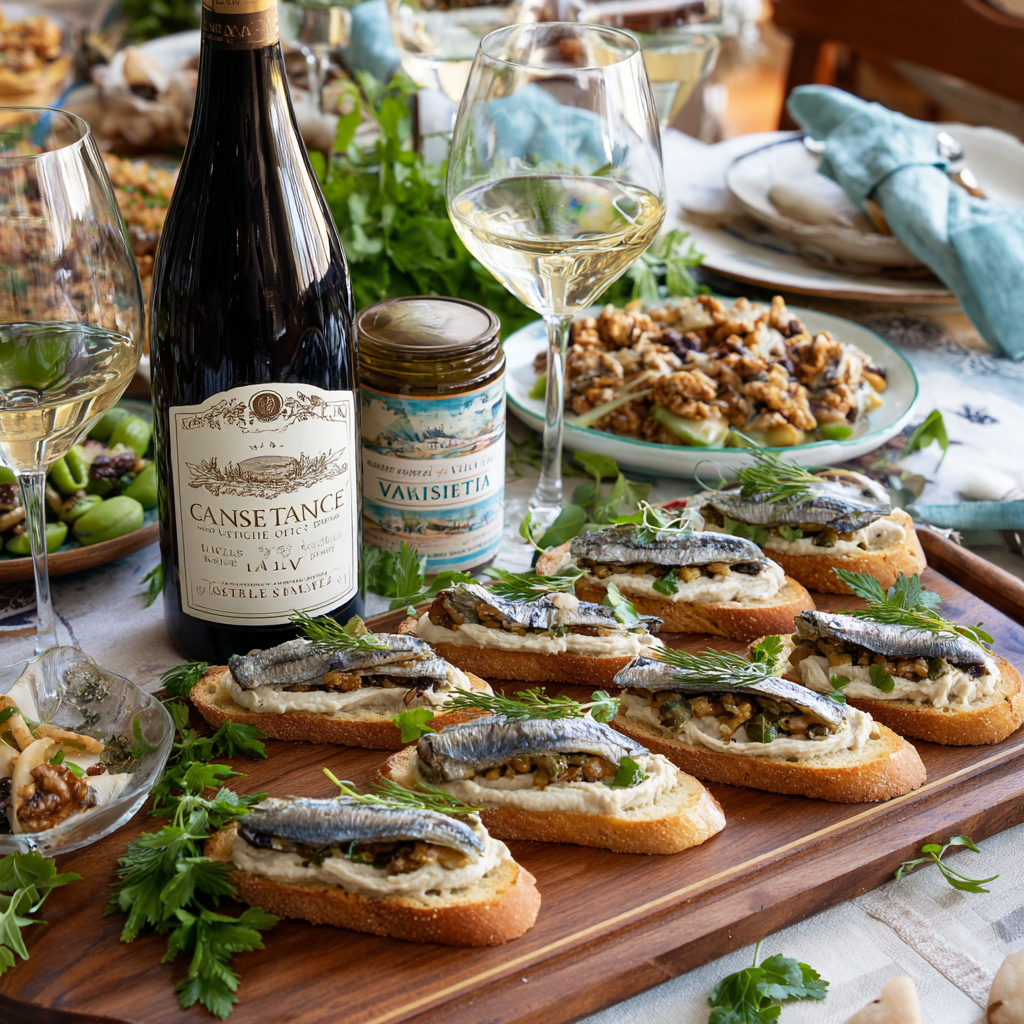
La Vigilia feels like a gentle pause before the holiday: a night when we gather to honor faith and family around the sea’s bounty. It is a meatless vigil supper that often honors the Virgin Mary and keeps the table focused on seafood and shared moments.
Seven fishes, seven sacraments: the tradition in plain language
The number seven most commonly nods to the seven sacraments. In practice, the feast seven fishes can mean seven distinct dishes or seven types of seafood within fewer plates. Many households serve more or fewer courses; the meaning is in the gesture, not strict counting.
Italian vs. Italian‑American customs you’ll see at home in the United States
Across regions, spreads vary. In the U.S., Italian‑American tables blend heritage with local markets and practical make‑ahead recipes. Keep the meal accessible: mix mild plates for kids and elders with brighter, brinier flavors for grownups. The core stays the same — gather family, keep it meatless, and let good food tell your story.
How to Build a “Feast of the Seven Fishes” Menu That Flows
I always map the evening first: small bites, one pasta, two mains, and a light cake to close. That structure keeps guests relaxed and the kitchen calm.
Start with antipasti platters—4–6 small bites per person. Follow with a single pasta course (3–4 oz cooked per person). Serve one or two mains with 4–6 oz of fish per adult. Add a tri‑colore salad between pasta and mains to reset the palate.
Course-by-course roadmap
- Antipasti: tinned fish, marinated sardines, olives, crostini.
- Pasta: linguine with red clam sauce or lemon‑garlic shrimp.
- Mains: tomato‑caper baccalà and a sautéed white fish with olive tapenade.
- Dolce: make‑ahead olive oil cake or panettone slices.
Balancing textures and types
Mix crisp crostini, silky stews, and seared scallops to give contrast. Use different types of seafood—shellfish, firm white fish, oily tinned fish—to hit seven fishes without repeating textures.
Portion planning for family and kids
Keep one mild, kid‑friendly main such as cod or salmon. Offer a bolder option for adventurous guests. Serve pasta family‑style so kids take smaller portions and adults sample more recipes.
| Course | Portion per Adult | Texture | Kid‑Friendly Option |
|---|---|---|---|
| Antipasti | 4–6 bites | Crisp / briny | Toasted bread with mild tuna |
| Pasta | 3–4 oz cooked | Silky / saucy | Lemon‑garlic shrimp, small portions |
| Mains | 4–6 oz fish | Seared / stewed | Pan‑seared cod |
| Dolce | 1 slice | Light / moist | Olive oil cake |
italian christmas fish dinner ideas: Traditional Dishes That Never Fail
When guests arrive, I want dishes that comfort and perform—classics that never fail under pressure. These long‑tested plates anchor the feast and let you focus on company, not chaos.
From baccalà to calamari: time-tested recipes that say “Christmas Eve”
Baccalà—salted cod—becomes gentle and bright when simmered slowly in a tomato‑caper sauce and spooned over soft polenta. Stuffed calamari braised in marinara needs one of two approaches: a quick sear or a long, low simmer. Avoid the tough middle ground.
Anchovies, sardines, and tinned fish as smart antipasti
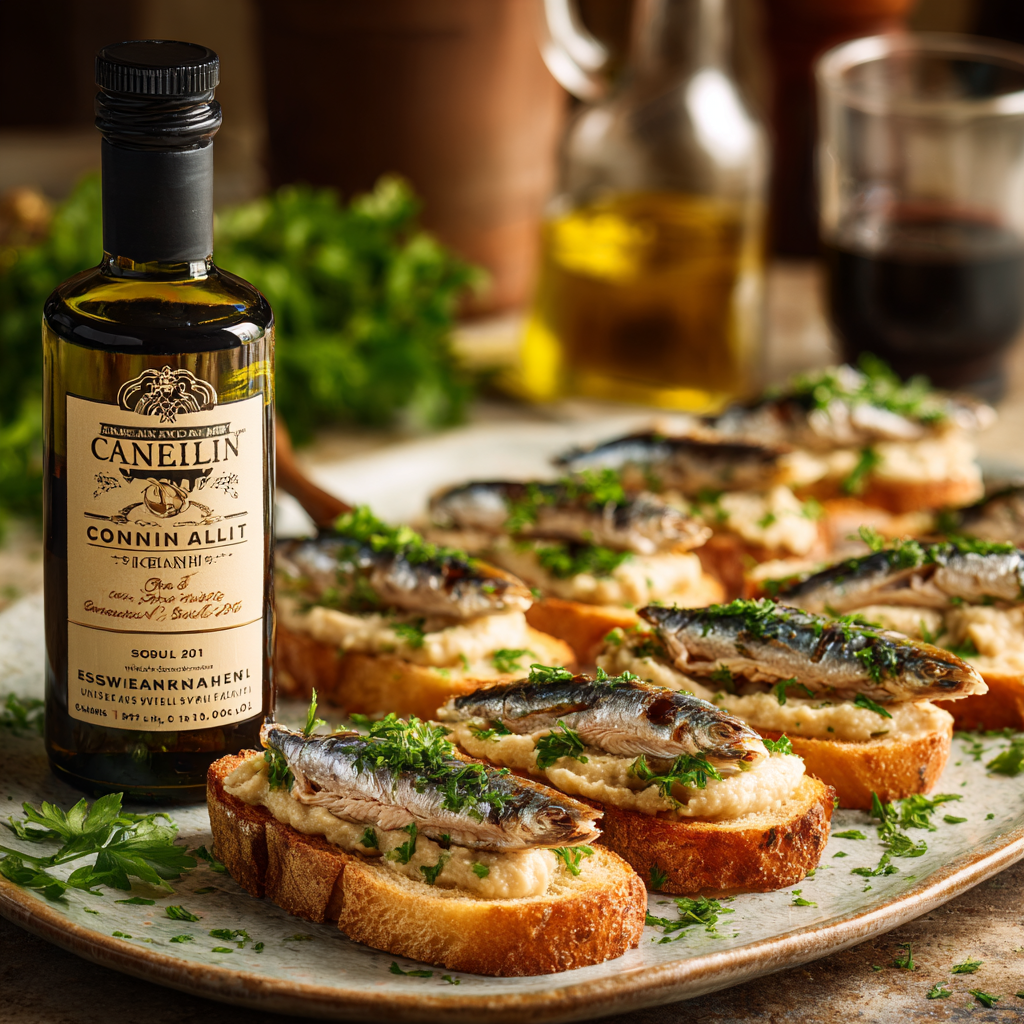
Anchovies and sardines lift small plates. I place marinated sardines on a cannellini purée and serve tinned fish on ultra‑toasted bread. Skip cheese with these bites and finish each with a good extra‑virgin olive oil.
- Reliable classics: baccalà, stuffed squid, marinated sardines, sautéed sole with olive tapenade.
- Shop ahead for the best cod and squid; tinned fish gives steady quality.
- Balance textures: silky purée, meaty squid, crisp crostini and fragrant olive oil to finish.
Classic Starters to Open the Feast
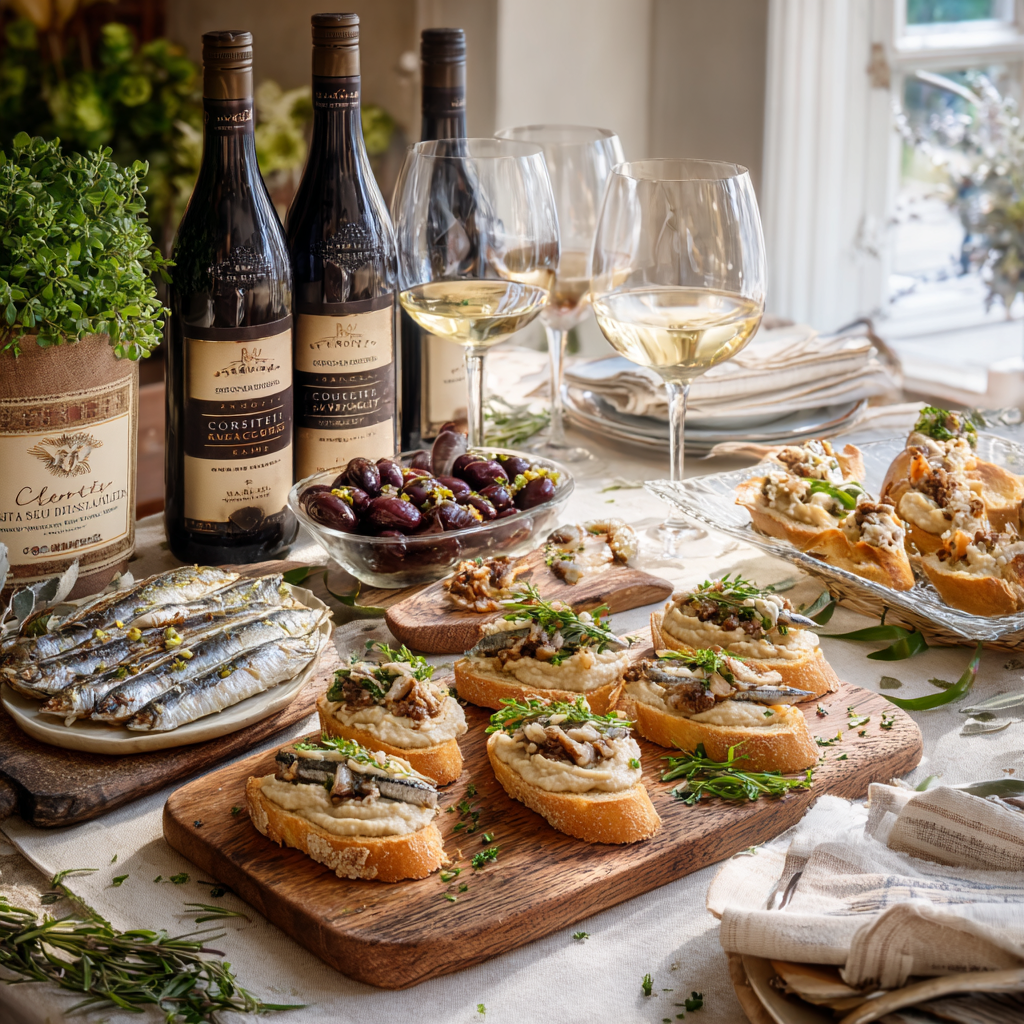
We open the feast with small plates meant to welcome people to the table and whet appetites. These starters are tasty, easy to scale, and forgiving for make‑ahead work. They set the tone for the feast seven without stealing the main courses.
Cannellini bean purée with marinated sardines
Blend canned or cooked cannellini with garlic, lemon, and a generous drizzle of olive oil until silky. Spread the purée on ultra‑toasted bread so the topping stays firm and warm.
- Top each crostini with marinated sardines or boquerones and a thin thread of balsamic reduction for contrast.
- Season the dip like any great dip: salt, a bright squeeze of lemon, and chopped parsley for lift.
- Toast the bread earlier in the day; it keeps service calm at home and resists moisture from the purée.
Tuna croquettes you can fry and freeze ahead
Use canned tuna for a reliable, budget-friendly recipe. Fry the croquettes, cool them fully, then freeze on a tray before bagging.
| Step | Timing | Tip |
|---|---|---|
| Make purée | 1–2 days ahead | Keep chilled; reheat briefly on crostini |
| Toast bread | Day‑of or earlier | Ultra‑toast to resist moisture |
| Fry croquettes | 2–7 days ahead | Reheat at 400°F on a rack to stay crisp |
Keep portions small—two bites each—and offer a simple olive and citrus salad if you want brightness. Label platters so guests pace themselves and notice the care behind each starter.
Shrimp, Clams, and Crab: Crowd‑Pleasers with Big Holiday Energy
For a lively course, I lean on shrimp, clams, and crab because they hit big on flavor with little fuss. These plates bring warmth and motion to the table and work well in a feast seven fishes lineup.
Shrimp fra diavolo and puttanesca-style pans
Cook shrimp fast over lively heat so they stay juicy and the tomato sauce stays bright, not stewed. For a puttanesca spin, add capers, olives, and garlic; finish with chopped parsley.
Clams in white wine with grilled bread
Steam clams with shallot, white wine, and a pinch of chili. Discard any that don’t open. Serve immediately with grilled bread to soak up the sauce.
Crab dip, stuffed salmon, and bite-size appetizers
Keep a hot crab dip in a small baking dish and bake until bubbling. Stuffed salmon with crab and herbs cooks quickly; let it rest so the filling sets. Offer crackers and endive leaves for easy sharing.
- Split the tomato base if spice divides your guests; spice one half, keep the other mild.
- Portion shellfish at about 1/3–1/2 lb per person across courses.
- Chill a Verdicchio or a clean sparkling to pair with acidic sauces.
| Dish | Cook Heat | Timing |
|---|---|---|
| Shrimp fra diavolo | High, quick sauté | 4–6 minutes |
| Clams in wine | Medium steam | 6–8 minutes |
| Hot crab dip | Bake until bubbling | 12–15 minutes |
Salt Cod and White Fish Done the Right Way
Getting baccalà right starts long before the stove—it’s about patient soaking and gentle heat. I walk through exact timing, sensible swaps, and how to keep the final sauce fresh and spoonable for the table.
Baccalà 101: soaking, de-salting, and a briny tomato-caper sauce
Soak salt cod for 72 hours, changing the water 2–3 times a day. Taste a small flake on day three; it should be mellow, not sharp.
Simmer the fillets gently in a tomato-caper sauce scented with garlic and olive oil. Keep the heat low—boiling will tighten the fish and make it dry.
Easy swaps: fresh cod, halibut, or salmon in puttanesca
If salt cod is unavailable, fresh cod holds its shape well. Halibut gives a firmer bite. Salmon adds richness and pairs nicely with a briny puttanesca touch.
- Add capers and olives at the end so they stay bright; finish with chopped parsley and a thread of olive oil.
- Keep the sauce spoonable so it naps the fish—serve over soft polenta or smashed potatoes to catch every drop.
- Use a medium skillet and cook in batches to avoid crowding and breaking the fillets.
- Reheat leftovers gently in the sauce over low heat; never bring to a boil.
| Protein | Texture | Best use |
|---|---|---|
| Cod | Flaky, mild | Classic in tomato-caper sauce |
| Halibut | Dense, meaty | Roast or simmer gently |
| Salmon | Rich, fatty | Puttanesca-style with olives |
These step-by-step tips make one of the central recipes for the feast seven fishes calm and reliable. With patience and fresh herbs, the sauce, garlic, and tomato sing and let the sea’s flavors shine.
Lobster and Scallops for a Touch of Luxury
For a touch of holiday luxury, I reserve a little space on the menu for lobster and scallops. These plates read special but are straightforward if you follow exact cues for doneness and searing.
I broil lobster tails from fresh or frozen. Split the shell, brush with melted butter, and broil 5–8 minutes. Cook until the meat is opaque and just firm; avoid long broils that toughen the texture. Let the tails rest two minutes and finish with lemon and chopped herbs.
Broiled tails and spicy lobster alla diavola
Lobster alla diavola layers chili and garlic for heat. Toss the finished lobster with the sauce and serve over linguine or with crusty bread to soak up the juices. The chili should be present but balanced so the sweet meat still shines.
Seared and bacon-wrapped scallops
Pat scallops bone-dry and season lightly. Heat a neutral oil until smoking point, then sear 90–120 seconds per side for a deep golden crust and a tender center. Finish off-heat with a knob of butter and a splash of wine for a glossy sauce.
- For bacon-wrapped scallops: par-cook bacon, wrap scallops, roast until bacon is crisp, then glaze with white wine and butter.
- Portioning: plan two scallops and half a lobster tail per person when served among several courses.
- Pair with a crisp mineral white wine or a traditional-method sparkling to lift briny sweetness.
| Dish | Key cue | Cook time | Finishing touch |
|---|---|---|---|
| Broiled lobster tail | Opaque, just firm | 5–8 minutes | Lemon, chopped herbs |
| Lobster alla diavola | Chili and garlic present | 10–12 minutes | Serve with pasta or bread |
| Seared scallops | Deep golden crust | 90–120 sec/side | Butter & splash of wine |
Pasta Courses that Honor the Sea
When I plan pasta for the feast, I aim for quick cooks, bright sauces, and one satisfying vegetarian course. Pasta should add warmth and texture without stealing the night.
Linguine with red clam sauce, lemon‑garlic shrimp, and angel hair with asparagus
Salt pasta water generously—about 12 g salt per liter (think the sea). Cook pasta just shy of al dente, then lift into the sauce and finish in the pan with a ladle of starchy water to make a silky emulsion.
Red clam sauce pairs tomato sweetness with briny clams; add clams late and steam until they just open. Lemon‑garlic shrimp cooks fast: bloom garlic gently, toss shrimp 90–120 seconds, finish with lemon zest for perfume.
Seafood lasagna and a vegetarian counterpoint
Assemble seafood lasagna earlier in the day and bake before service for an easy hot course. For balance, serve pasta alla Norma—eggplant, tomato, and basil—to give non‑seafood guests a full, satisfying dish.
| Dish | Key cue | Timing | Portion (cooked) |
|---|---|---|---|
| Linguine with red clam sauce | Add clams late; finish in pan | 12–15 minutes total | 3–4 oz |
| Lemon‑garlic shrimp pasta | Bloom garlic; zest at end | 6–8 minutes | 3–4 oz |
| Angel hair with asparagus | Bright, green note | 5–7 minutes | 3 oz |
| Seafood lasagna / Pasta alla Norma | Make‑ahead option / vegetarian balance | Assemble ahead; bake 25–30 min | 3–4 oz |
- Keep portions small so pasta complements the feast seven and guests can taste many recipes.
- Offer a fennel‑orange salad to refresh the palate between rich bites.
Stews and One‑Pot Wonders for a Stress‑Free Main
One‑pot stews free up oven and hands, letting you enjoy the evening while the pot does the work. A well-made cioppino can serve as a centerpiece for the feast seven or act as a generous shared course.
Build the base with a soft soffritto, canned tomatoes, wine, and fish stock. Simmer gently so the sauce gains depth without becoming heavy. Add a firm white fish first, then nestle in crab and clams as the sauce warms.
Cioppino as an all‑in‑one seafood stew
Cioppino is a San Francisco stew brimming with clams, crab, fish, shrimp, mussels, squid, and scallops. If you want to hit seven fishes in one pot, combine those types for variety and texture. Finish with parsley and a drizzle of olive oil.
Timing tips so shellfish stay tender, not overcooked
Add quick‑cooking shellfish—shrimp and mussels—at the very end. Their heat cue is fast: cook until opaque or until shells open, then remove from heat. Keep the pot at a lively simmer, never a rolling boil; agitation will break delicate fillets.
- Taste for salinity before final seasoning—shellfish release brine as they cook.
- Serve in warm bowls with grilled bread to catch every drop of the sauce.
- Scale easily: a Dutch oven will feed eight when paired with a few small courses.
- Offer lemon wedges and chili oil so each guest can adjust brightness and heat.
| Step | What to add | Timing cue |
|---|---|---|
| Base | Soffritto, tomatoes, wine, fish stock | Simmer 20–30 minutes for depth |
| Sturdy proteins | Firm white fish, crab | Add early; simmer gently 6–10 minutes |
| Shellfish | Clams, mussels, shrimp, scallops, squid | Add last; cook until shells open/opaque 3–6 min |
| Finish | Parsley, olive oil, lemon | Off heat; adjust salt after tasting |
Smart Wine Pairings that Make Every Dish Sing
Pairing by sauce rather than by seafood keeps service calm and confident. Pick a few versatile bottles and let the sauce guide the pour. That way your menu flows, guests taste more, and you avoid seven different open bottles.
When to pour Prosecco, Verdicchio, and skin‑contact whites
Start with Prosecco to awaken palates and match lighter starters. It brightens briny crostini and cleanses between bites.
Choose Verdicchio for spicy or tomato‑forward sauces—think puttanesca or tomato‑garlic shrimp. Its acidity stands up without overpowering the plate.
Reserve a skin‑contact white for garlicky clams and rustic broths. The texture and tannic lift work where a lean white might feel thin.
Red with seafood? When it makes sense
Reds work when the sauce leads. Sangiovese or Chianti pairs beautifully with briny tomato‑caper profiles. Look for light‑to‑medium bodies and bright acidity so the wine echoes the sauce, not masks it.
Keep it simple: three bottles and service tips
- Choose three versatile bottles: a sparkler, a crisp white (Verdicchio or similar), and a light red (Sangiovese/Chianti).
- Serve whites at 45–50°F and reds slightly cool (~58°F) so acidity feels lively with seafood.
- Offer one low‑alcohol option so guests can sip all evening without fatigue.
- When unsure, match the wine to the sauce—the sauce is the meal’s dominant flavor driver.
| Wine | Best with | Serving Temp |
|---|---|---|
| Prosecco / Sparkler | Starters, lighter bites | 42–46°F |
| Verdicchio / Crisp White | Tomato or spicy sauces | 45–50°F |
| Sangiovese / Light Red | Briny tomato‑caper mains | 56–60°F |
Sauces, Olive Oil, and Garlic: Small Details, Big Flavor
The secret to a calm feast is focusing on three anchors: tomato, white wine, and a punchy olive tapenade. Build each sauce with intention so every bite feels balanced and homey.
Tomato bases: Bloom a clove or two of garlic in olive oil until fragrant, then add crushed tomatoes. Layer salt and a little sugar, then fold in capers and chopped olives near the end so their brine stays bright. Finish with a splash of wine or vinegar to lift the acidity.
White wine broths: Keep stock clean and low-sodium. Sauté shallot or garlic, deglaze with wine, add stock, then simmer briefly. Add clams and delicate shellfish last so they open gently; finish with restrained butter for silk without heaviness.
- Olive tapenade: spoon on seared sole or roasted fillets for instant savor and texture.
- Finish plates with a tablespoon of quality extra‑virgin olive oil to add perfume and sheen.
- Chop parsley at the last minute and sprinkle just before service for color and lift.
- Taste, rest, taste again—adjust salt, acid, and oil in small steps.
| Anchor | Key cue | Finish |
|---|---|---|
| Tomato sauce | Capers & olives added late | Parsley & olive oil |
| White wine broth | Clean stock; shellfish last | Light butter & lemon |
| Tapenade | Concentrated savor, no cooking | Spoon on warm fish |
Sides, Bread, and Salad That Support the Seafood
I like to plan sides that anchor the table: something crisp, something green, and a loaf to sop up every sauce. Keep the list short so the main courses stay central to the feast seven and guests can taste more dishes without feeling full too soon.
Ultra‑toasted baguette and crostini tips
Toast baguette slices on a wire rack at 400°F for an evenly crisp crostini that stands up to saucy plates. Brush with olive oil before toasting for golden color; rub with garlic afterward for extra perfume.
Warm the bread right before service so guests can soak up broths and sauces. Ultra‑toasted slices pair especially well with bean purée and clams.
Tri‑colore salad with anchovy vinaigrette
Toss arugula, radicchio, and endive with an anchovy vinaigrette for a bright counterpoint to richer seafood. Salt lightly and finish with lemon at the table to keep greens lively.
This salad balances richness on California‑style menus and refreshes the palate between heavy courses.
- Add a bowl of marinated olives and citrus segments for a bright, effortless accent.
- Keep sides few and focused; they should support, not compete with, the main recipes.
- Consider a herbed couscous or soft polenta as a neutral starch when you want extra body without heaviness.
| Side | Why it works | Timing |
|---|---|---|
| Ultra‑toasted baguette | Stands up to sauces | Toast earlier; warm 5 min before serving |
| Tri‑colore salad | Cuts richness, adds bitterness | Toss just before service |
| Marinated olives & citrus | Bright, effortless palate cleanser | Serve chilled or room temp |
For more simple seafood accompaniment techniques and a related one‑pot recipe that soaks up broth, see this pesce all’acqua pazza guide: make pesce all’acqua pazza.
Make‑Ahead and Day‑Of Prep to Save Your Sanity
With a few smart moves over three days, you can relax and enjoy the table when guests arrive. I map prep so small tasks stack into calm progress. This keeps the kitchen focused and the food honest.
What to prep in advance
Start soaking salt cod three days out and label containers so no one re‑salts it. Two days before, make olive tapenade and the cannellini bean purée; cover tightly and chill. One day ahead, form croquettes and either chill for frying day‑of or fry and freeze on a tray.
Day‑of cooking order and timing
- Morning: chop herbs, segment lemons, set stations and warmers.
- Two hours out: simmer tomato sauces and broths; hold on very low heat.
- One hour out: bake croquettes, warm dips, grill bread, arrange antipasti.
- Just before service: steam clams, sear scallops, finish shrimp so they arrive hot.
Keep a written run‑of‑show. Small, steady things done early make the perfect feast seven feel effortless at home.
| When | What | Storage | Reheat |
|---|---|---|---|
| 3 days out | Soak salt cod | Cold, change water daily | No reheating; use in recipes directly |
| 2 days out | Make tapenade & bean purée | Tightly covered in fridge | Bring to room temp or warm gently |
| 1 day out | Form croquettes, toast bread | Freeze or refrigerate airtight | Reheat at 400°F on rack for crispness |
| Day‑of | Finish shellfish; finish sauces | Hold warm (140°F) briefly | Quick finish on stovetop; avoid overcooking |
Modern Spins: California, Japanese‑Inspired, and Tinned Fish Boards
We often add a small, unexpected station—like a tinned board or a seafood hand‑roll bar—to keep guests moving and curious. These modern spins let you honor the feast seven while trying playful, easy dishes that feel celebratory.
From garlic noodles with Dungeness crab to a hand‑roll station
Lean California plates lean on bright contrasts: garlic noodles topped with Dungeness crab, a tri‑colore salad to cut richness, and a tiny bowl of cioppino as a coastal nod. These pair well with grilled bread and citrus.
Set up a sushi‑style hand‑roll bar
Offer nori, seasoned rice, and seafood fillings so guests customize without fuss. Provide simple garnishes—shiso, lemon, sesame—and a small sign with your house favorites so people mix and match.
Build a tinned fish and smoked‑fish grazing platter
- Include anchovies, sardines, tuna, salmon, smoked mussels, and oysters with pickles and crackers.
- Add a smoked fish station: hot‑smoked salmon, trout roe, and butter for instant luxury.
- Serve miso soup or sake‑braised clams alongside to warm the table.
| Approach | Key item | Why it works |
|---|---|---|
| California | Garlic noodles + crab | Bright, coastal, familiar |
| Japanese‑inspired | Soba or chawanmushi | Clean flavors, elegant contrast |
| Tinned board | Assorted tins + pickles | Low stress, high impact |
Keep portions small so these new dishes complement the tradition. Label sources you love and use seasonal citrus and herbs to make pantry staples feel special. A few modern touches let the feast seven feel fresh while keeping the table warm and welcoming.
Sweet Finish Without the Stress
When the plates slow and the candles glow, a simple sweet keeps the evening warm and easy. After a long meal, I prefer desserts that feel light, familiar, and mostly finished before guests arrive.
Olive oil cake, panettone, and make‑ahead treats
Bake a rosemary olive oil cake the day before—the flavors meld and the crumb becomes tender. Serve slim slices with a citrus compote or a spoon of lightly sweetened cream to keep the finish airy.
Panettone is a dependable, low‑stress option. Toast thick slices, spread mascarpone and a drizzle of honey, and you have something festive with almost no extra work.
- Keep portions modest after a full feast seven; fragrance and tenderness matter more than richness.
- Make a spiced pear compote or quick affogato for an easy, elegant finale.
- Plate desserts ahead if you can so you can sit and savor the moment with family.
- Offer decaf espresso and an amaro to close the meal on a thoughtful note.
| Make‑ahead | Storage | Serve |
|---|---|---|
| Rosemary olive oil cake | Wrap tightly at room temp; rests 1 day | Slim slices; pair with olive oil ice cream or compote |
| Panettone | Keep in original box or wrapped | Toast slices; top with mascarpone & honey |
| Spiced pear compote / Affogato | Refrigerate up to 3 days | Warm compote slightly; pour espresso over gelato for affogato |
Bring Your Feast to Life This Holiday Season
Turn ingredients and time into calm by choosing a flowing menu or one great pot that honors the feast seven fishes. Decide what you love, list the recipes, and map a simple run‑of‑show so the night stays joyful and steady.
On christmas eve you can offer a multi‑course feast seven or a single cioppino that hits seven fishes in one pot. Pour versatile wines like Prosecco or Verdicchio, prep what you can ahead, and trust the plan.
Keep portions modest, vary textures, and add one modern accent if you like. Your guests will taste the care in every bite. Sit, breathe, and enjoy the food and stories — I’m cheering you on for a warm, generous night around the table.
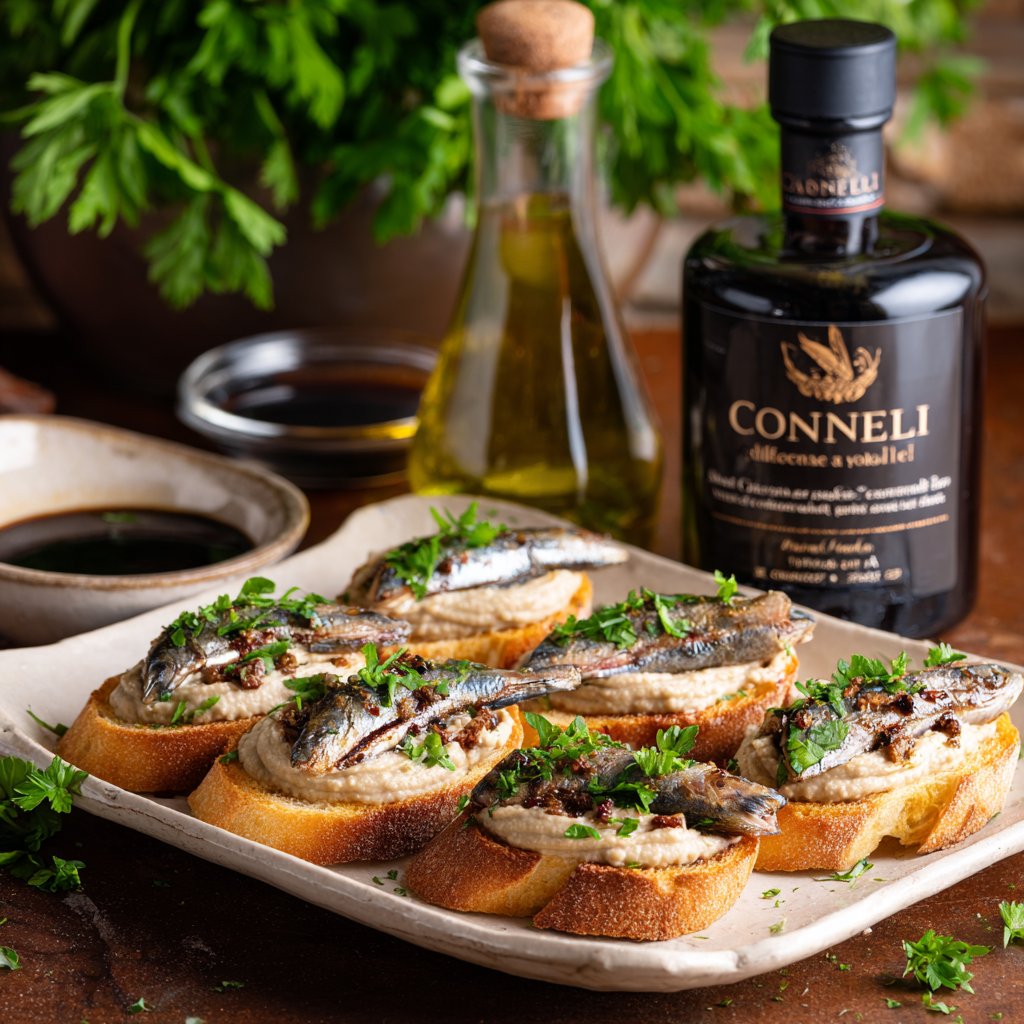
Cannellini Bean Purée with Marinated Sardines
Ingredients
Method
- In a blender or food processor, combine the cannellini beans, garlic, lemon juice, and olive oil.
- Blend until smooth and creamy. If it's too thick, add a little water to thin it out.
- Season with salt and pepper to taste.
- Preheat your oven to 400°F (200°C).
- Slice the baguette into thin slices.
- Place the slices on a baking sheet and drizzle with olive oil.
- Toast in the oven for about 5-7 minutes or until golden and crispy.
- Spread a generous layer of the cannellini purée on each crostini.
- Top with a marinated sardine (or a few depending on size).
- Drizzle with a little extra olive oil and garnish with fresh parsley.
- Optional: Drizzle with balsamic reduction for added flavor.
- Arrange the crostini on a platter and serve as part of your Feast of the Seven Fishes.
Notes
- You can prepare the cannellini bean purée ahead of time and store it in the fridge for up to 2 days.
- This dish works great as a light appetizer or part of a larger holiday spread.