Jump to Recipe
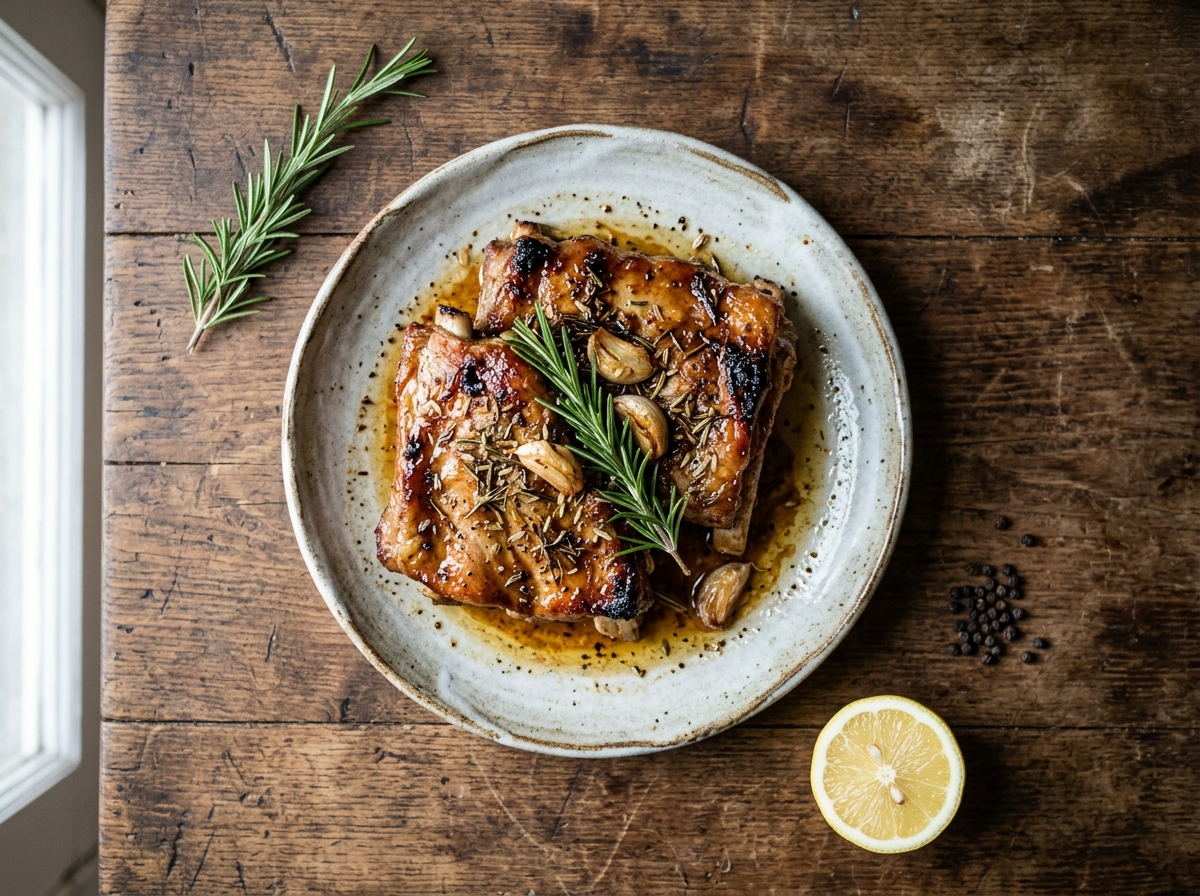
Costine di maiale al forno is the kind of dish Italian home cooks make on Sunday without much fuss. A rack of pork ribs, a handful of aromatics, a splash of white wine, and the oven does most of the work.
The key is time, not temperature. A lower heat for longer lets the collagen in the ribs break down gradually, which gives you meat that pulls away from the bone without drying out. Push the heat too high too early and you get a tough exterior with an undercooked center.
I season the ribs the night before when I remember, but even an hour of resting with the dry rub makes a noticeable difference. The salt pulls moisture to the surface, then reabsorbs into the meat, seasoning it through rather than just coating the outside.
This is a practical recipe for four people with very little active effort. Once the ribs go into the oven, you have nearly two hours to do other things.
Why You’ll Love This Recipe
- Meat pulls cleanly from the bone after a slow roast
- One pan, minimal prep, mostly hands-off cooking
- White wine and herbs build a natural pan glaze
- Scales easily for a larger group or a dinner party
Ingredient Notes
- Pork ribs (costine): Baby back ribs work well here, but spare ribs (more fat, more collagen) give a richer result. Ask your butcher to remove the membrane from the back if it’s still on.
- Dry white wine: Use something you’d drink – a Vermentino or Pinot Grigio works. Avoid oaky or sweet whites, which can turn bitter after roasting.
- Fresh rosemary: Dried rosemary can substitute at half the quantity (1 tsp dried for 2 sprigs fresh), but fresh holds up better through a long roast.
- Garlic: Whole crushed cloves roasted alongside the ribs are milder and sweeter than minced garlic, which can burn. Leave the skin on if you like.
- Fennel seeds: Optional but traditional in several central Italian versions. A half teaspoon adds a subtle anise note that pairs cleanly with pork fat.
- Extra virgin olive oil: A standard olive oil is fine here since it goes into a hot oven – save the finishing oil for the table.
Costine di Maiale al Forno (Italian Oven-Baked Pork Ribs)
Ingredients
Method
- Pat the rib sections completely dry with paper towels - moisture on the surface prevents browning.
- Mix the salt, pepper, paprika, and fennel seeds in a small bowl, then rub the mixture over every surface of the ribs.
- Drizzle the olive oil over the ribs and massage it in so the rub adheres. For best results, place on a rack over a tray, cover loosely, and refrigerate for at least 1 hour or overnight.
- Heat the oven to 170 C / 340 F (fan 150 C / 300 F). Arrange the ribs meat-side up in a single layer in a large roasting pan.
- Scatter the crushed garlic cloves, rosemary sprigs, and sage leaves around and between the ribs.
- Pour the water or stock into the base of the pan, then cover the entire pan tightly with aluminum foil. Roast for 90 minutes.
- After 90 minutes, carefully remove the foil (steam will escape). Pour the white wine over the ribs and return the pan to the oven uncovered.
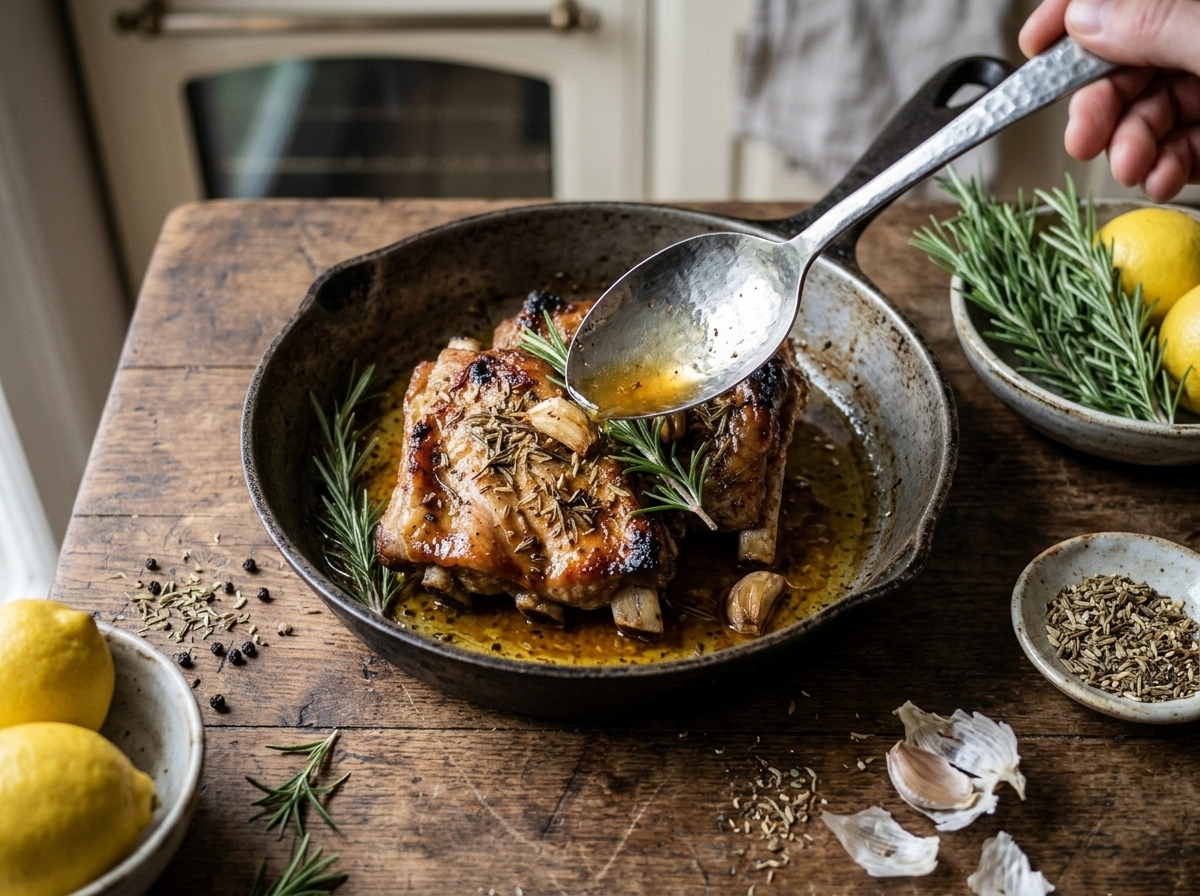
- Roast for a further 20-25 minutes until the surface is caramelized and golden, basting once halfway through with the pan juices. The internal temperature should read 88-93 C / 190-200 F on an instant-read thermometer.
- Remove the pan from the oven and tent loosely with foil. Rest for 10 minutes before cutting into individual ribs.
- Spoon the concentrated pan juices over the ribs just before serving. Discard the rosemary sprigs; the roasted garlic cloves can be squeezed out and spread onto bread.
Notes
Tips for Success
- Remove the silverskin membrane from the back of the rack before seasoning – it prevents the rub from penetrating the meat.
- Rest the seasoned ribs uncovered in the fridge for at least 1 hour, ideally overnight, before roasting.
- Start covered with foil for the first 90 minutes to trap steam, then uncover to caramelize the surface.
- Add the white wine after 20 minutes in the oven, not before – adding cold liquid to a hot pan deglazes the fond and builds flavor.
- Use an instant-read thermometer to confirm doneness: internal temp should reach 88-93 C / 190-200 F for fall-off-the-bone texture.
Variations
- Agrodolce glaze: add 2 tbsp honey and 1 tbsp red wine vinegar in the last 15 minutes for a sweet-sour finish.
- Salsa verde version: skip the white wine and serve the roasted ribs with a sharp parsley and caper sauce on the side.
- Slow cooker adaptation: cook on low for 7-8 hours with the same aromatics, then broil for 5 minutes to caramelize the surface.
Storage and Reheating
Leftovers keep well in an airtight container in the fridge for up to 3 days. The meat actually improves slightly overnight as the juices redistribute.
To reheat, place ribs in a baking dish with a splash of water or white wine, cover tightly with foil, and warm at 160 C / 320 F for 20-25 minutes. This keeps them moist rather than drying them out in a skillet.
You can freeze cooked ribs for up to 2 months. Wrap individual portions tightly in foil, then place in a freezer bag. Thaw overnight in the fridge before reheating.
Serving Suggestions
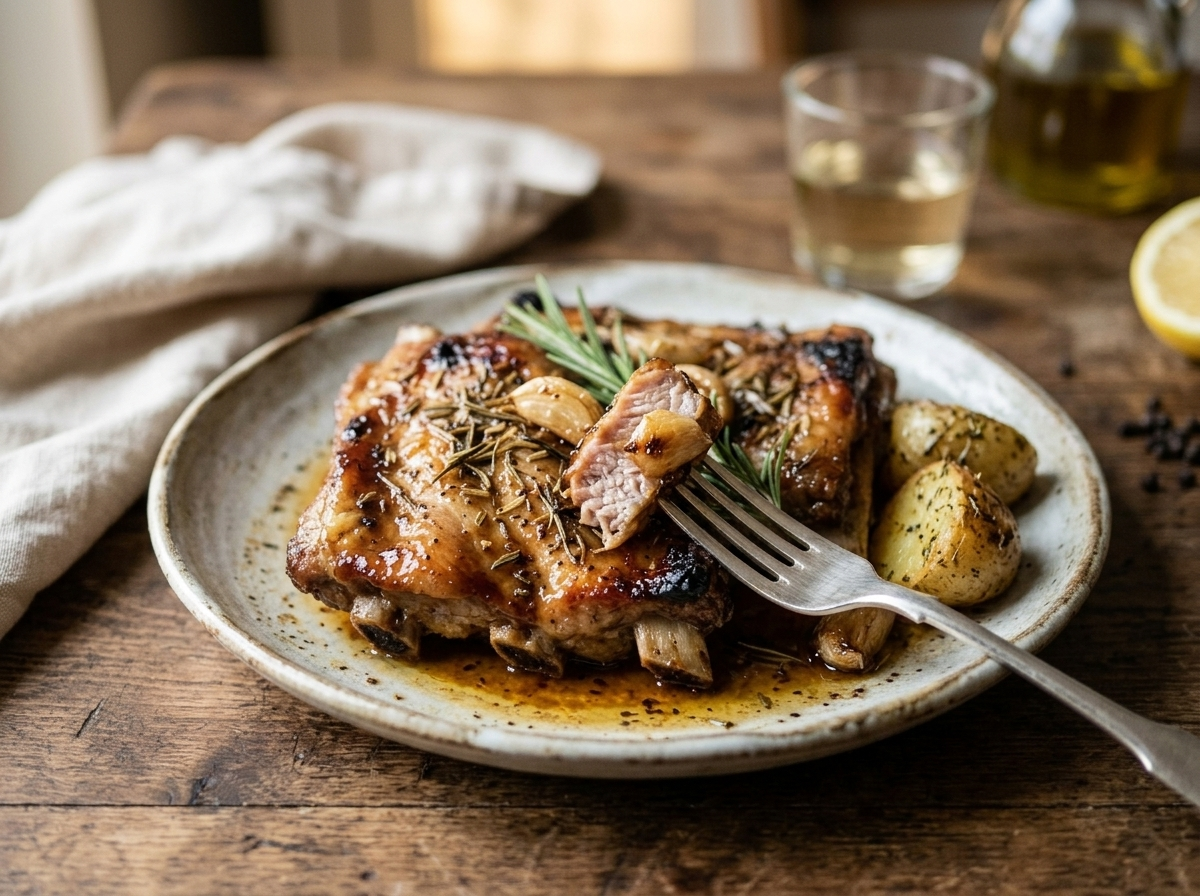
In Italy, costine al forno typically appear alongside roasted potatoes cooked in the same pan, which soak up all the pork fat and wine. Cut potatoes into 3 cm chunks and add them to the pan for the final 45 minutes of cooking.
A simple bitter green salad – radicchio, endive, or cicoria – cuts through the richness well. Dress it with just lemon juice and olive oil so it doesn’t compete with the roasting juices.
For a more substantial spread, serve the ribs with white beans braised with sage and garlic, or a rough polenta, and the same slow-cooked logic applies if you want to extend the table with slow-cooked pork ribs in tomato ragù as a first course. A chilled glass of Montepulciano d’Abruzzo or Rosso di Montalcino stands up to the fat without overwhelming the herbs.
FAQ
Why are my costine di maiale al forno tough and chewy instead of tender?
The ribs almost certainly didn’t cook long enough at a low enough temperature. Pork ribs need sustained heat around 160-170 C / 320-340 F for 1.5 to 2 hours for the collagen to convert to gelatin and the meat to soften. Rushing at high heat tightens the muscle fibers before the connective tissue has broken down.
Can I use red wine instead of white wine in this Italian pork rib recipe?
You can, but the result will be heavier and the pan juices will turn a deep reddish-brown rather than a golden glaze. If you use red wine, choose something light like a Barbera or Montepulciano rather than a tannic Cabernet, which can leave a bitter edge after long roasting.
How do I know when the costine are done roasting without a thermometer?
The meat should have pulled back visibly from the tips of the bones by at least 1 cm, and a skewer or knife tip should slide into the thickest part with no resistance. If the meat resists or springs back, give it another 15-20 minutes covered.
Can I season the ribs the night before and leave them in the fridge?
Yes, and it genuinely helps. An overnight dry brine seasons the meat all the way through rather than just on the surface, and the texture firms up slightly, which helps the crust form during roasting. Just cover loosely with cling film so the surface can dry out a little.
Are costine di maiale al forno gluten-free?
The base recipe is naturally gluten-free – pork, herbs, wine, oil, and salt contain no gluten. Just check that any spice blends or pre-made rubs you use don’t contain fillers or modified starch.
What is the difference between costine di maiale al forno and American-style BBQ ribs?
The Italian version relies on dry herbs, white wine, and olive oil rather than a sugar-heavy BBQ sauce, so the flavor is more savory and herb-forward with no sweet crust, sharing that same restraint you find in dishes like Italian spicy grilled chicken where heat and aromatics do the work without sweetness. The technique also avoids smoking or grilling – the oven does all the work, which gives a softer, braised quality to the meat rather than a smoky bark.