
Jump to Recipe
The first time I tasted this frozen dessert, it was a quiet revelation. The idea seemed unusual, but one spoonful revealed a buttery richness with subtle, peppery notes that completely changed my understanding of what a sweet treat could be.
This authentic method brings a taste of Italian tradition right into your kitchen. We balance time-honored techniques with practical steps you can manage at home. You don’t need professional equipment to achieve a result that feels special and deeply satisfying.
The secret lies in a simple but crucial step: incorporating the high-quality fat after the custard base has cooled. This technique protects the delicate, fruity character of your ingredient, ensuring its complexity shines through rather than being lost to heat.
The final texture is uniquely creamy, sitting comfortably between American-style ice cream and true Italian gelato. It’s a luxurious feel that comes from how the fat interacts with the base, and it’s perfectly achievable with a standard home ice cream maker.
This approach respects the ingredients. We use just enough sugar and a hint of vanilla to support the main flavor, not mask it. The process requires a little attention to temperature, but it’s the kind of careful work that yields something genuinely memorable.
Key Takeaways
- Adding the fat after cooling preserves its delicate, nuanced flavor profile.
- The method creates a uniquely creamy texture achievable with home equipment.
- This dessert balances rich, buttery notes with a subtle peppery finish.
- Quality ingredients are essential for the best taste experience.
- The recipe yields about one quart, perfect for sharing.
- Attention to timing and temperature is key for optimal results.
Discovering the Art of Italian Gelato
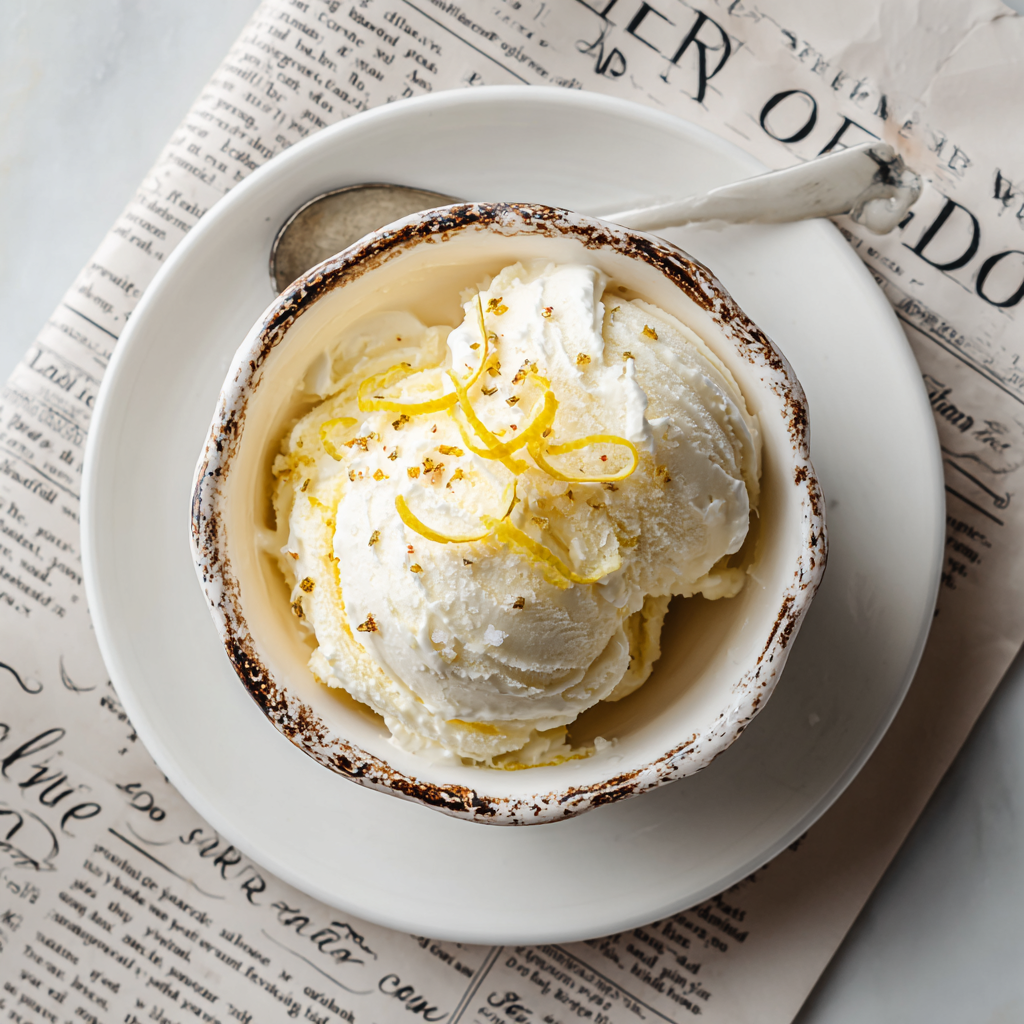
Many home cooks wonder why their frozen desserts never quite achieve that signature Italian silkiness. The difference lies in both technique and tradition. While we call it ice cream in English, the Italian approach creates something uniquely dense and flavorful.
Tracing the Roots of Gelato and Its Transformation
Traditional gelato uses more milk than heavy cream. This allows the featured flavors to shine clearly rather than being muted by butterfat. It’s also served slightly warmer than American-style ice cream, which gives it that soft, spreadable quality we love.
Home machines can’t replicate professional equipment’s rapid freezing. They simply can’t create the superfine ice crystals of true gelato. We compensate by adding extra egg yolks or quality fat to achieve similar richness and smooth texture.
Exploring the Unique Role of Oil in Frozen Desserts
In regions where olive cultivation defines the cuisine, using this ingredient in sweets feels completely natural. It contributes both creamy texture and distinctive flavor notes. The practice has deep roots in Mediterranean baking traditions.
This approach works because cold temperature preserves the oil’s subtle complexity. The transformation happens during chilling as flavors develop and integrate over time. This resting period is crucial for achieving the perfect balance.
Step-by-Step Olive Oil Gelato Recipe
Building the foundation for this unique frozen treat begins with a carefully prepared custard base. We’ll walk through each stage to ensure your success.
Preparing the Custard and Chilling Techniques
Start by combining milk with three-quarters of the cream in a saucepan. Add sugar and salt, then heat until steaming with tiny bubbles around the edges. Never let it boil.
Whisk egg yolks until smooth in a separate bowl. Slowly drizzle the hot milk mixture into the yolks while whisking constantly. Add about a third of a cup at a time until half is incorporated.
This tempering process gradually warms the yolks, preventing them from scrambling. Pour the mixture back into the saucepan and return to medium-low heat.
Stir constantly until the custard thickens enough to coat a spatula. This takes about five to seven minutes. Use a thermometer to reach 175°F precisely.
| Method Aspect | Standard Approach | Alternative Method |
|---|---|---|
| Egg Yolks | 4 large yolks | 8 large yolks for extra richness |
| Sweeteners | ⅔ cup granulated sugar | 1 cup minus 2 Tbsp sugar + 2 Tbsp honey |
| Oil Addition | Before churning, whisked into chilled base | During last 10 minutes of churning |
| Custard Temperature | Cook to 175°F | Cook to 180°F |
Strain the cooked custard through a fine mesh sieve. Add the remaining cream and lemon peel. Cover the surface directly with plastic wrap and refrigerate for at least three hours.
Overnight chilling develops better flavor. Before churning, remove the lemon peel. Slowly drizzle in the extra virgin olive oil while whisking vigorously.
Both techniques preserve the delicate character of your ingredients. The choice depends on whether you prefer adding the oil before or during the freezing process.
Elevating Your Gelato Game with Quality Ingredients
While method matters, the soul of this dessert lives in the quality of what goes into it. The supporting cast should enhance, not overwhelm, the star ingredient.
Selecting the Best Extra Virgin Olive Oil and Other Essentials
Your choice of fat defines the entire experience. This isn’t the time for that bottle sitting in your cupboard for six months.
Extra virgin varieties have about eighteen months from bottling before quality declines. Once opened, use it within one to two months for optimal freshness.
Always taste before using. Warm a small amount in your hands and notice the aroma. Fresh options smell fruity and vibrant, not flat or waxy.
| Flavor Profile | Best For | Region Examples |
|---|---|---|
| Bright & Fruity | Clean, refreshing finish | Tuscany, California |
| Buttery & Nutty | Rich, smooth character | Liguria, Spain |
| Peppery & Robust | Bold, distinctive taste | Apulia, Greece |
Balancing Flavors with Salt, Lemon, and Honey
Cold temperatures dull our taste buds slightly. Adequate salt amplifies other flavors without making the dessert taste salty.
Choose fleur de sel or other quality sea salts. Avoid table salt with additives that leave chemical aftertastes.
A small piece of lemon peel steeped overnight adds subtle brightness. It lifts the main flavor without competing.
Honey provides floral sweetness when used sparingly. Reduce sugar by the same amount to maintain balance.
A Sweet Farewell: Serving, Storing, and Savoring Your Creation
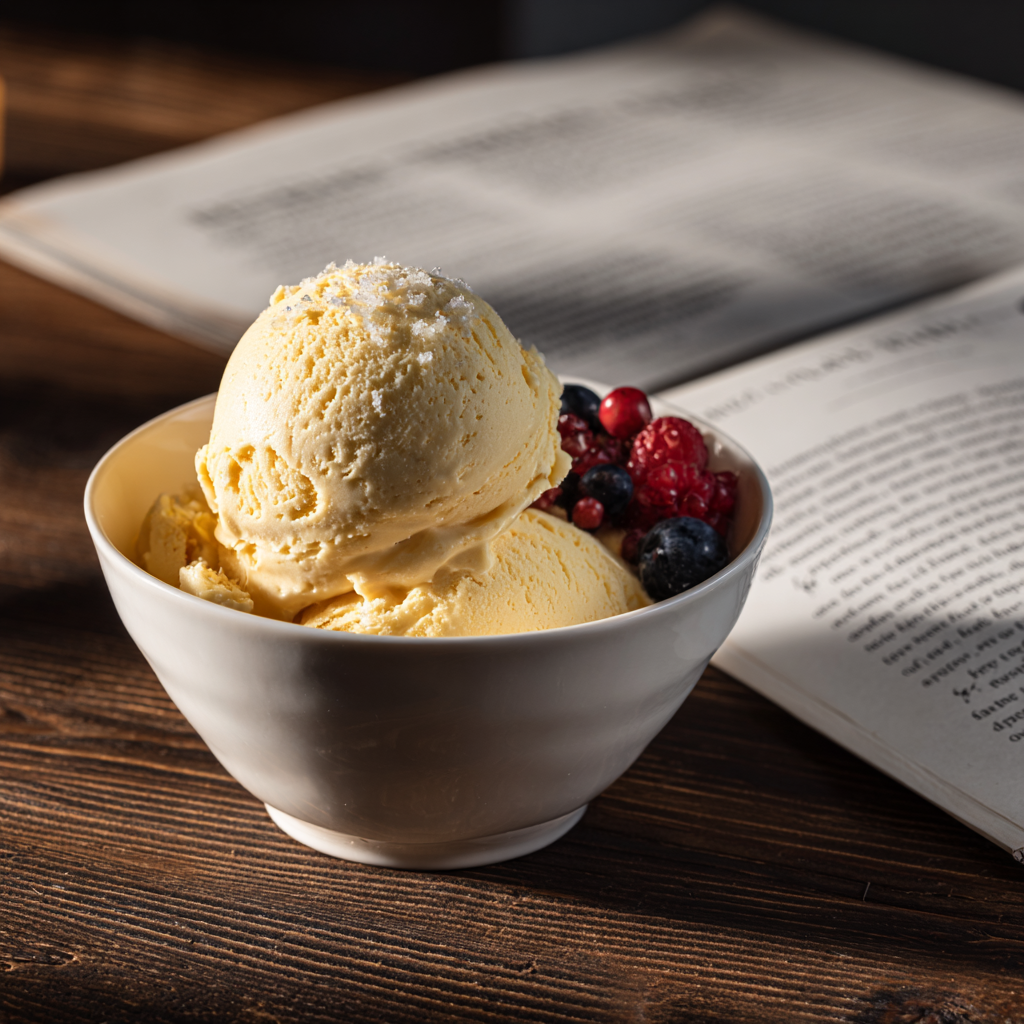
Your patience and care in making this dessert deserve to be honored with proper storage and presentation. Right from the machine, your creation will have a soft-serve consistency. Let it firm up in the freezer for at least two hours to achieve that perfect scoopable texture.
Transfer to a freezer-safe container and press parchment directly on the surface before sealing. This prevents ice crystals from forming. Simple paper cartons work well and can be reused.
Homemade treats like this are best enjoyed within a month. For serving, let it soften slightly at room temperature for about ten minutes. This allows the delicate flavors to open up fully.
A sprinkle of fleur de sel just before eating enhances the experience beautifully. Pair with fresh berries or dark chocolate sauce. If you enjoy exploring Italian desserts, consider trying a pistachio gelato next. This olive oil gelato represents cooking that respects tradition and celebrates quality ingredients.
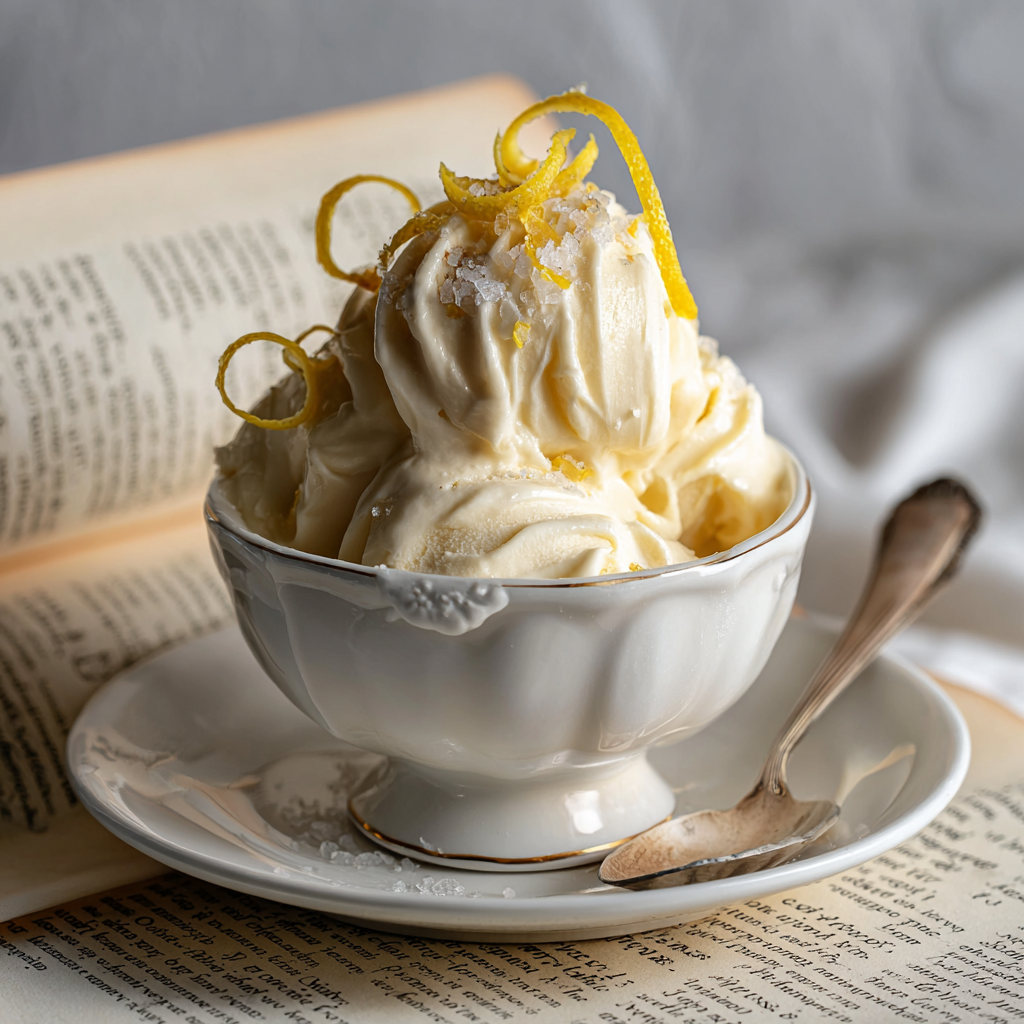
Olive Oil Gelato
Ingredients
Method
Notes
- The quality of olive oil is crucial. Choose a fresh, high-quality extra virgin olive oil for the best flavor.
- If you don’t have an ice cream maker, you can still make the gelato by freezing the custard in a shallow dish and whisking every 30 minutes for about 3 hours to incorporate air.
- For an extra special touch, serve the gelato with fresh berries or a drizzle of dark chocolate sauce.