
Jump to Recipe
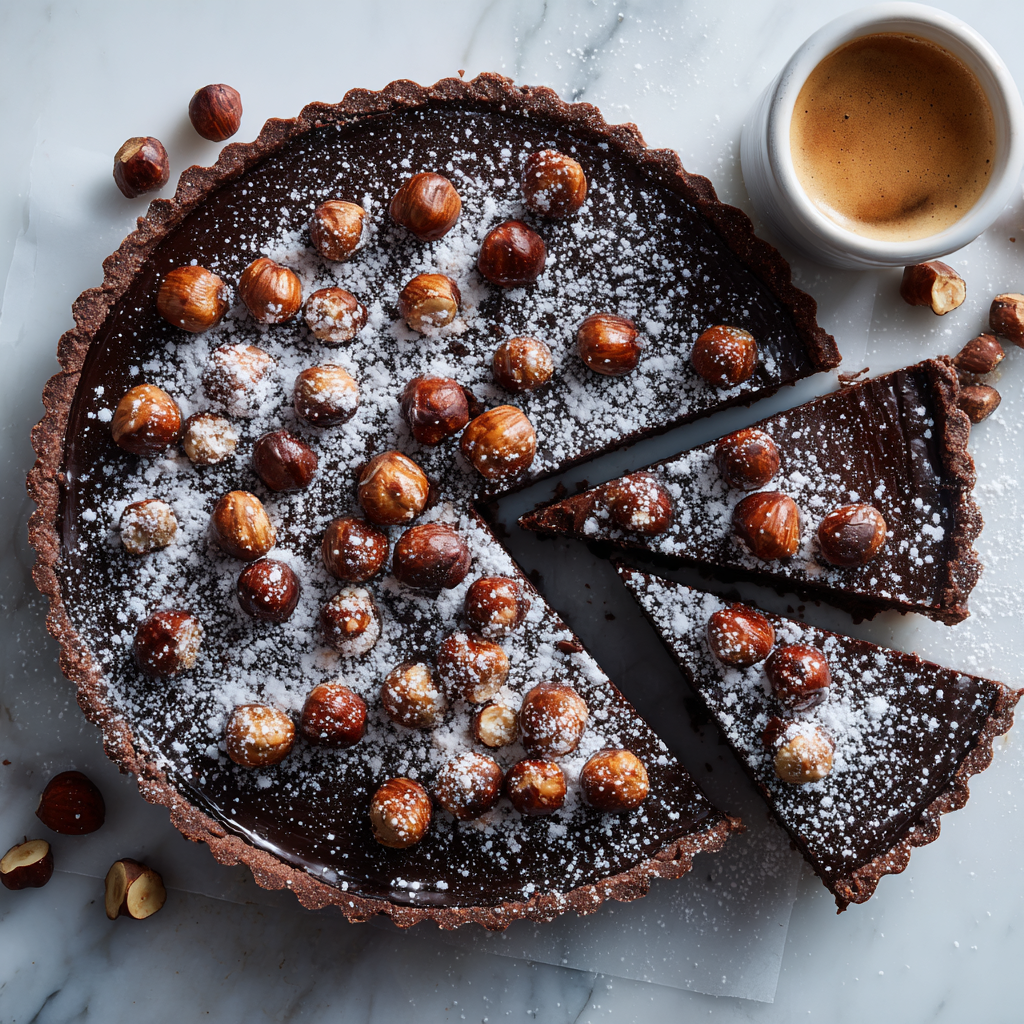
I brought a classic from Piedmont to my kitchen with a hazelnut chocolate tart italian twist that smells of toasted nuts and warm sugar the moment you open the oven.
This recipe honors torta di nocciole tradition while giving modern, practical tips: roast whole hazelnuts until fragrant, grind without turning oily, and fold nuts into whipped egg whites for a light crumb. Use an 8–9 inch springform or tart pan lined with parchment for clean release, and bake at 350°F for about 25–30 minutes while watching for a gentle golden edge. For a silky finish, pick high quality couverture—I rely on Callebaut N°811—and let ganache rest until pipeable.
Key Takeaways
- Toast and grind hazelnuts carefully to avoid oiling the paste.
- Line your pan with parchment for tidy edges and easy release.
- Bake at 350°F for 25–30 minutes; judge doneness by color and spring.
- Choose quality chocolate for smooth ganache and let it rest before piping.
- Simple swaps make Piedmont tradition workable in any American kitchen.
Why this hazelnut-and-chocolate classic belongs in your kitchen today
When top-quality nuts meet good couverture, you get a dessert that balances warmth and refinement in every slice. This recipe folds fragrant roasted hazelnuts into a simple base, then finishes with glossy chocolate for a result that feels both rustic and polished.
A nod to Piedmont: world-class nuts meet dark chocolate
Piedmont sits at the heart of nut culture; its berries are prized for aroma and sweetness. In the hands of home bakers, a short list of ingredients—nuts, sugar, egg whites, and cocoa—yields deep, roasted flavor without fuss.
Simple technique, elegant result: approachable for home bakers
There are two clear ways to make this: a minimalist cake-like filling or a pâtisserie-style build with a tender crust, cream, and ganache top. Both respect time and space in a small kitchen and reward care over gadgets.
- Minimal ingredients, big flavor: great for weeknights.
- Patisserie finish: use high-quality chocolate like Callebaut N°811 for shine and snap.
- Small touches—roast level, a pinch of salt, and proper cooling—unlock the best texture.
| Style | Prep Time | Result |
|---|---|---|
| Minimal | 30–45 minutes | Rustic, nut-forward crumb |
| Patisserie | 90+ minutes | Glossy top, refined edges |
| Best for | Weeknights | Entertaining |
Ingredients, tools, and quality cues for authentic flavor
Start with quality staples and the rest falls into place—tiny choices change a recipe’s soul. Below I list what matters, why it matters, and sensible swaps when needed.
Essential ingredients
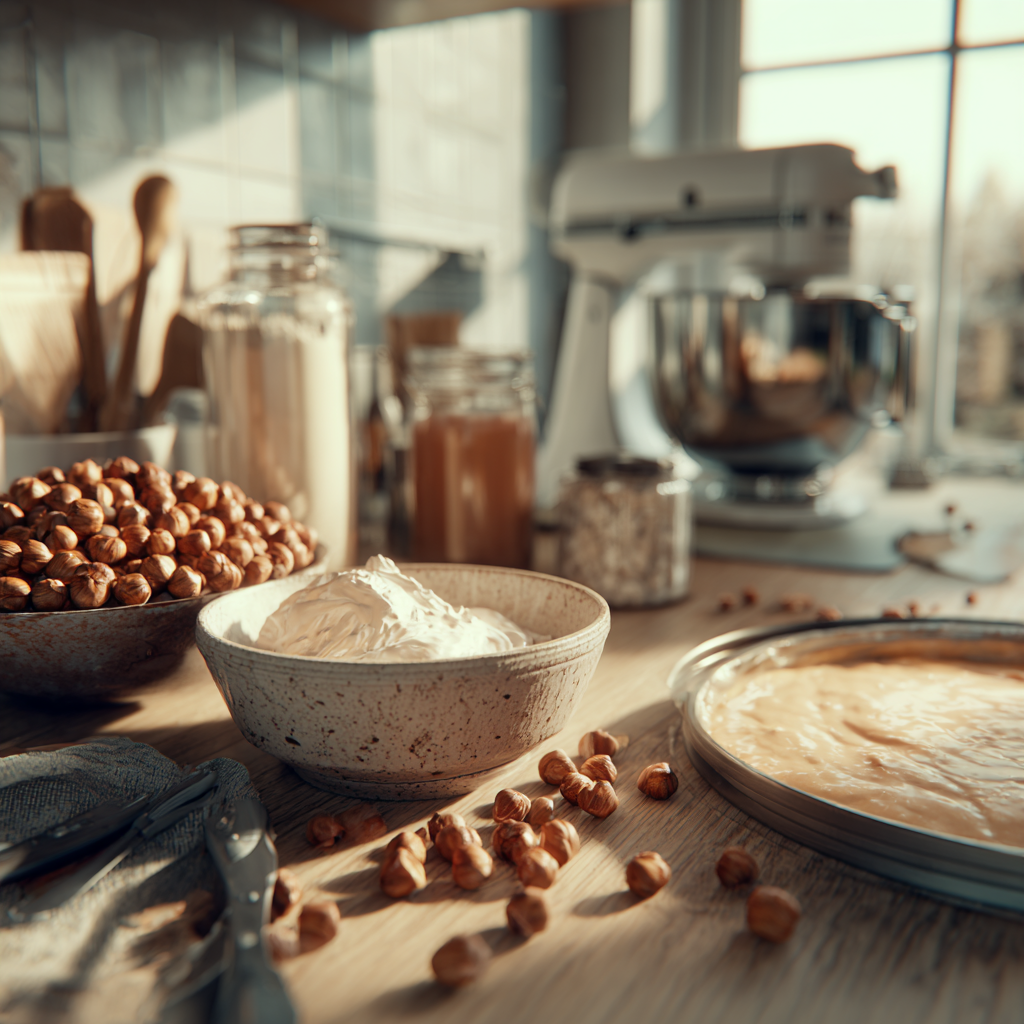
Choose IGP Piedmont hazelnuts when you can for unmatched aroma; otherwise buy fresh, sweet nuts and taste one to check for rancidity. For dark chocolate, use couverture like Callebaut N°811 for a glossy ganache, though a good supermarket bar will work.
Keep butter for the crust or batter, an egg for structure, sugar for browning, a little flour for lift, salt for contrast, and cream for the ganache.
Tools and small gear
- An 8–9 inch tart pan or springform gives the cleanest release; parchment paper on the bottom stops sticking.
- A food processor breaks down nuts fast—add a bit of sugar while grinding to prevent nut butter formation.
- A stand mixer or hand mixer smooths batters; use a sturdy bowl when folding ground nuts into whipped whites. Keep a sharp knife handy for tidy edges.
| Item | Why it helps | Alternate |
|---|---|---|
| Pan (8–9 in) | Even bake, easy release | Loose-bottom cake pan |
| Parchment | Prevents sticking | Greased, floured surface |
| Food processor | Fast, even grind | High-speed blender |
Roast whole nuts briefly in a hot oven, then rest a few minutes so residual heat loosens skins. Measure with cups for ease or use a scale for precision—accurate amounts keep the batter and ganache behaving as they should.
hazelnut chocolate tart italian: step-by-step recipe with chef-level tips
I’ll lay out two reliable bases, precise bake cues, and simple finishing moves so you get the result you expect every time.
Choose your base
Decide between a nut-rich crust with hazelnut cream for a pâtisserie finish or a flour-light cake batter folded with ground nuts for a quicker bake.
Prep smart
Toast nuts on a sheet until golden, then rub skins off in a cloth. Pulse the toasted nuts with part of the sugar to a sandy texture so the mixture won’t turn to paste.
Baking and doneness
For the cake-style, bake in a lined springform at 350°F for about 25–30 minutes until a tester shows matte crumbs. For the shell, bake around 340°F for roughly 40 minutes until edges look set and pull slightly from the pan.
Silky ganache topping
Heat cream and pour over chopped dark chocolate in a bowl. Let sit one minute, then whisk from the center to emulsify. Allow cool until thick but pipeable before you top the bake.
- Run a thin knife around the edge while warm, then let the bottom rest before lifting.
- Dip whole nuts in caramel for a glossy flourish and place them just before serving.
| Base | Oven | Result |
|---|---|---|
| Flour-light cake | 350°F / 25–30 minutes | Open crumb, light |
| Nut crust | 340°F / ~40 minutes | Firm shell, rich |
| Ganache top | Cool to pipe | Glossy finish |
Pro techniques that prevent cracks, sinking, or greasy texture
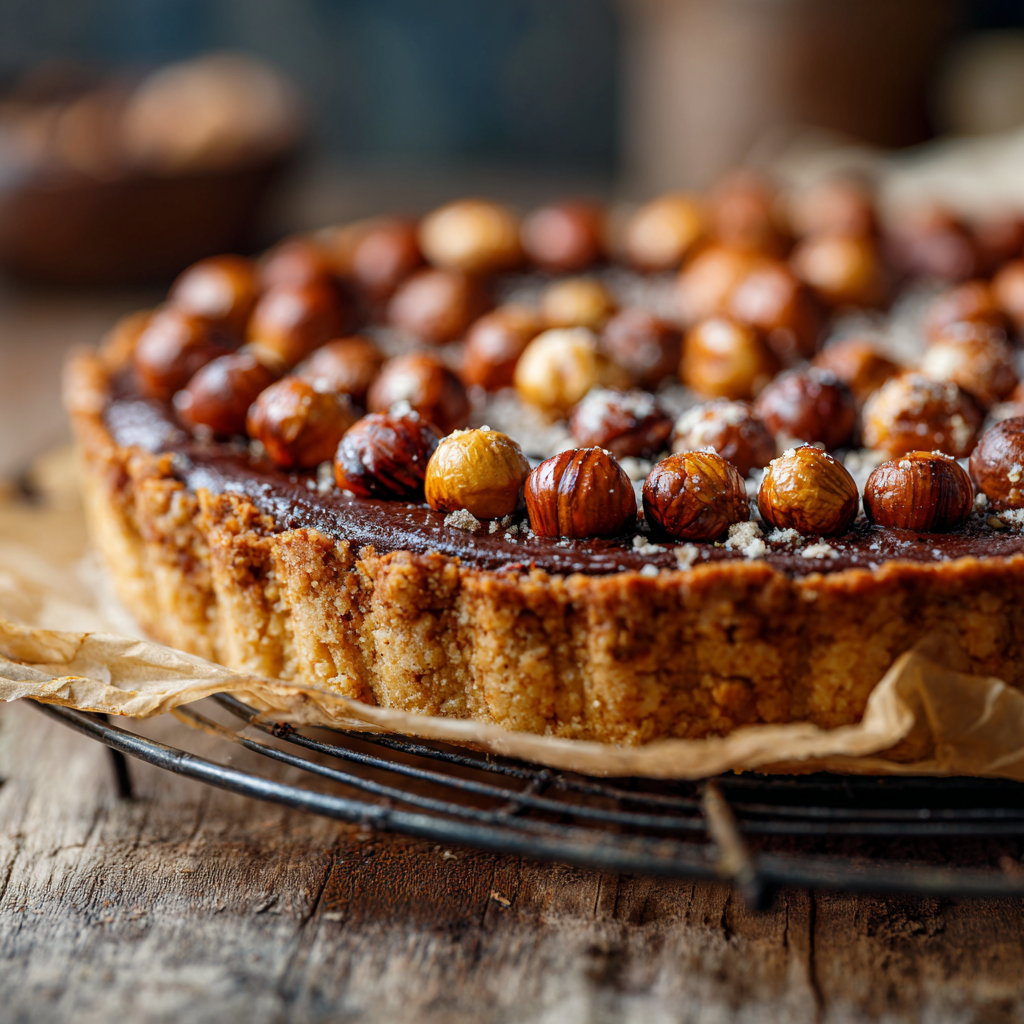
A few careful moves at mixing and heat control will save you from cracks, sinking, or a greasy finish. These are small habits that pay off in every bake.
Avoid overmixing and overheating: protect structure and shine
Overmixing compresses air and makes a nut-rich mixture heavy. Fold only until streaks vanish to keep a tender crumb and clean texture.
- When melting, turn heat off as soon as the chips loosen to protect gloss and stop the chocolate from seizing.
- Make sure butter is softened, not melted, when creaming; this keeps the edges from weeping and prevents greasy spots.
- Use a thin knife around the edge after a brief cool in the pan for a neat release without tearing the crust of the tart.
- If your kitchen runs warm, chill ganache in short bursts and stir between intervals to keep an even set.
Make-ahead timing, cooling, and room-temperature serving
Plan time: bake a day ahead or rest the bake several hours. Allow cool in the pan, then loosen with a knife and transfer when stable. Serve at room temperature after about an hour out; it brings the best aroma and texture for every slice.
| Action | Why it helps | When to do it |
|---|---|---|
| Gentle folding | Retains lift and light texture | During final mix |
| Turn heat off early | Protects gloss and prevents splitting | When chocolate just melts |
| Brief cool + knife release | Clean edges and tidy slice | 5–10 minutes post-bake |
Serve, store, and savor like a local
A warm slice, a small spoon of sauce, and a strong espresso bring this dessert to its happiest moment. I like to keep plating simple so each flavor sings.
How to plate it
Dust the top lightly with powdered sugar or spoon a warm 1:1 cream-to-chocolate sauce at the side. A small demitasse of espresso or a Bicerin-inspired pairing adds authentic charm.
Storage and next-day freshness
After baking, allow cool about 15 minutes in the pan so the bottom sets. Lift to a rack and let the whole piece rest before covering.
Chill uncovered 20–30 minutes to firm the ganache, then cover loosely. It keeps best for 24–48 hours; flavors often improve after a few hours of rest.
Rewarming and leftover sauce
Leftover sauce stays silky up to a week refrigerated. Rewarm in short bursts or over a gentle bain-marie, whisking to restore gloss. When heating, turn heat off as soon as the chips or shavings melt to protect the texture.
- Whip unsweetened cream in a chilled bowl until soft peaks form; dollop just before serving.
- Pull the bake out 30–45 minutes before slicing to soften the interior for cleaner cuts.
- Portions: an 8–9 inch tart serves 8–10; richer toppings mean smaller slices satisfy.
| Action | Why | Timing | Result |
|---|---|---|---|
| Allow cool in pan | Protects structure | 15 minutes | Clean bottom, less sticking to paper |
| Chill briefly before covering | Firms ganache | 20–30 minutes | Stable slices for serving |
| Rewarm sauce | Restores gloss | Short bursts / bain-marie | Silky pourable sauce |
| Serve at room temp | Best aroma & texture | 30–45 minutes before | Soft, flavorful slices |
Nutrition note: a minimalist slice runs roughly 276 kcal, though values shift with crust and ganache choices. I find this way keeps balance between richness and portion control.
Bake it your way—and tell us how it turned out
Make this recipe your own by matching technique to time and to who you’re serving. Pick the crust-and-ganache route or the flour-light batter and note how the slice held together.
I’d love a photo and a short post about what worked. Tell me if you used a springform pan with parchment and whether the release stayed neat after resting for hours.
Share which chocolate you chose — household bar or Callebaut N°811 — and how quality affected shine and flavor. If you shaved off minutes, list where; that helps other bakers plan. Drop questions about grind size, ganache consistency, or cooling time and I’ll troubleshoot with you.
Try more of our recipes and tag your food so we can celebrate your bake in the world together.
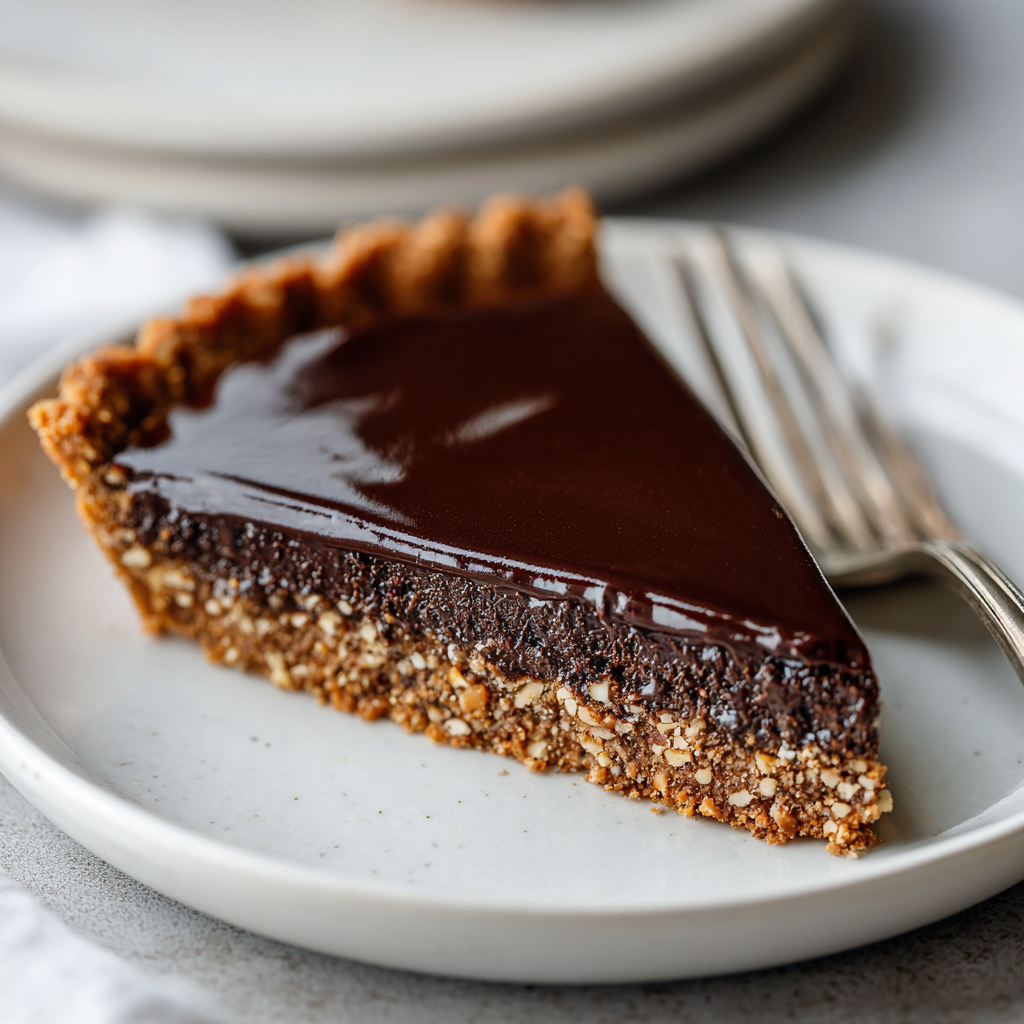
Hazelnut Chocolate Tart (Italian Torta di Nocciole)
Ingredients
Method
- Preheat oven to 325°F (165°C). Spread hazelnuts on a baking sheet and roast for 10–12 minutes until golden and fragrant. Let them rest for a few minutes, then rub in a kitchen towel to remove most skins.
- Add hazelnuts to a food processor with 2 tablespoons of sugar. Pulse in short bursts until finely ground but not oily—stop as soon as the texture looks sandy.
- In a clean bowl, beat egg whites until soft peaks form. Gradually add the remaining sugar and continue beating until glossy. Gently fold in the ground hazelnuts, flour, salt, and softened butter using a spatula—just until no streaks remain.
- Line an 8–9 inch springform or tart pan with parchment paper. Pour in the batter and smooth the top. Bake at 350°F (175°C) for 25–30 minutes, or until lightly golden around the edges and the center springs back when touched.
- Let the tart cool in the pan for about 10 minutes. Run a thin knife around the edge to loosen it, then let it finish cooling on a wire rack.
- In a small saucepan, warm the cream until it just begins to simmer. Pour it over the chopped chocolate in a bowl. Let sit for 1 minute, then gently whisk from the center until smooth and shiny. Let the ganache cool until thick but still spreadable or pipeable.
- Spread or pipe the ganache over the cooled tart. For a glossy finish, let it set at room temperature for about 30 minutes. Decorate with caramelized hazelnuts or dust lightly with powdered sugar.
- Slice and serve at room temperature with a shot of espresso or a small drizzle of warm chocolate sauce.
Notes
- Don’t over-grind hazelnuts or the mixture will turn into nut butter.
- For the ganache, quality chocolate makes all the difference—couverture gives the best shine and texture.
- Serve at room temperature for the best flavor and aroma.
- The tart can be made a day ahead; store covered and refrigerate, then bring to room temp before serving.