Jump to Recipe
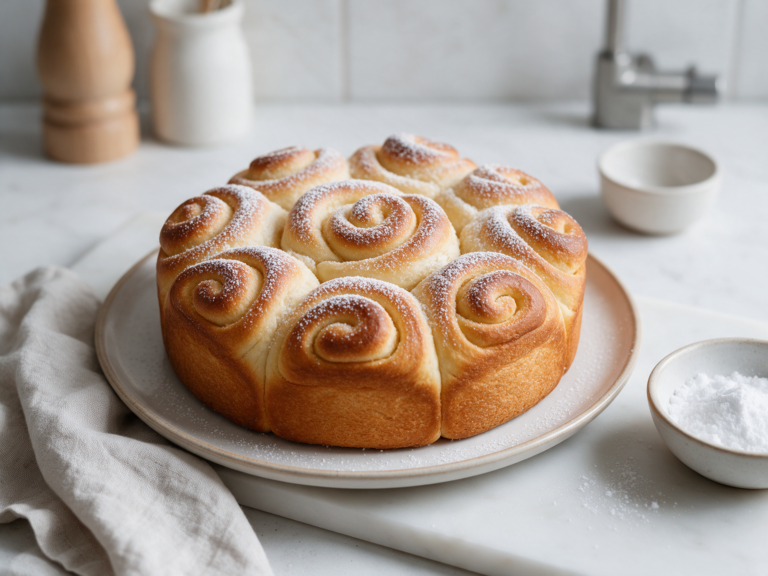
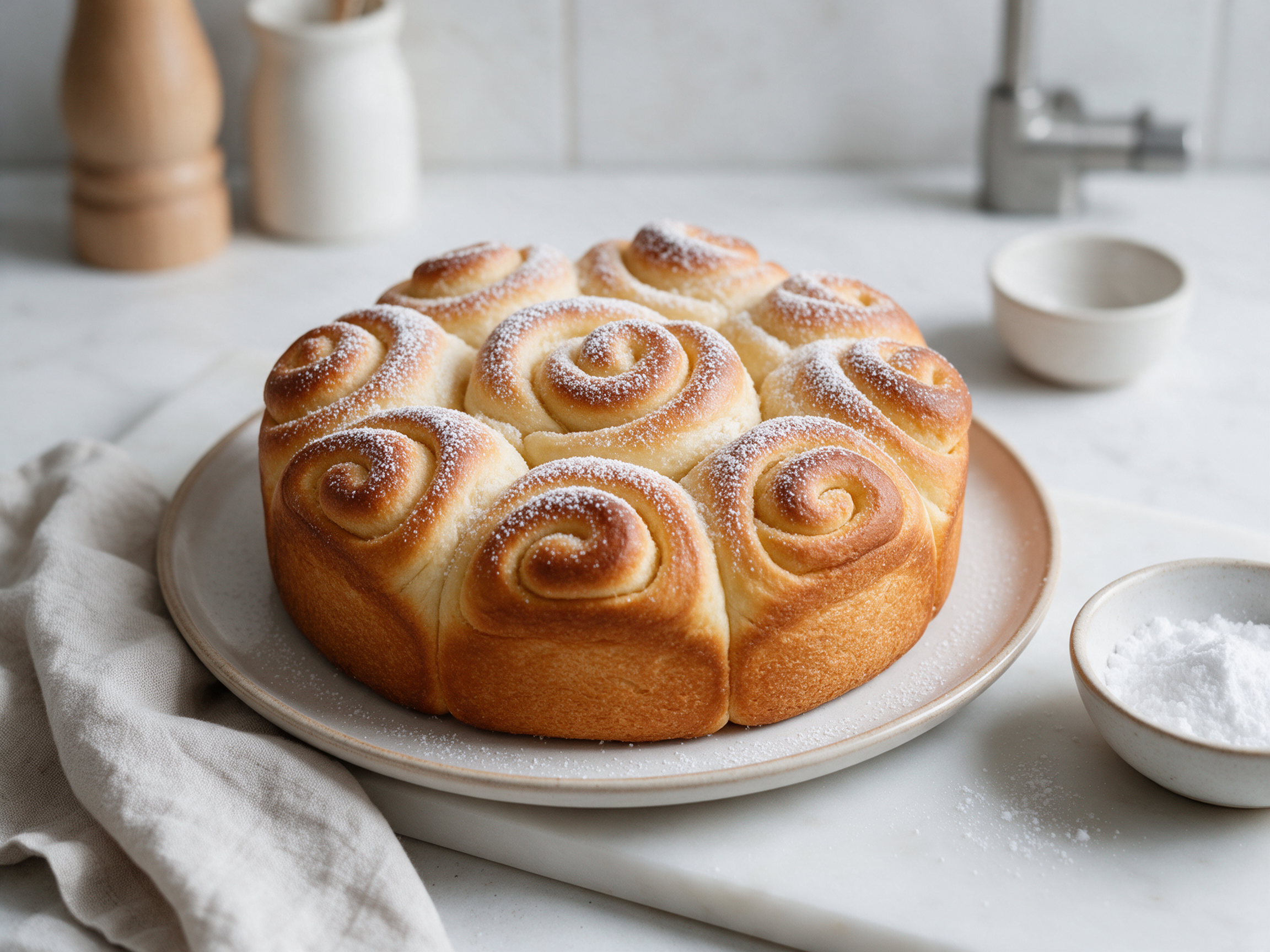
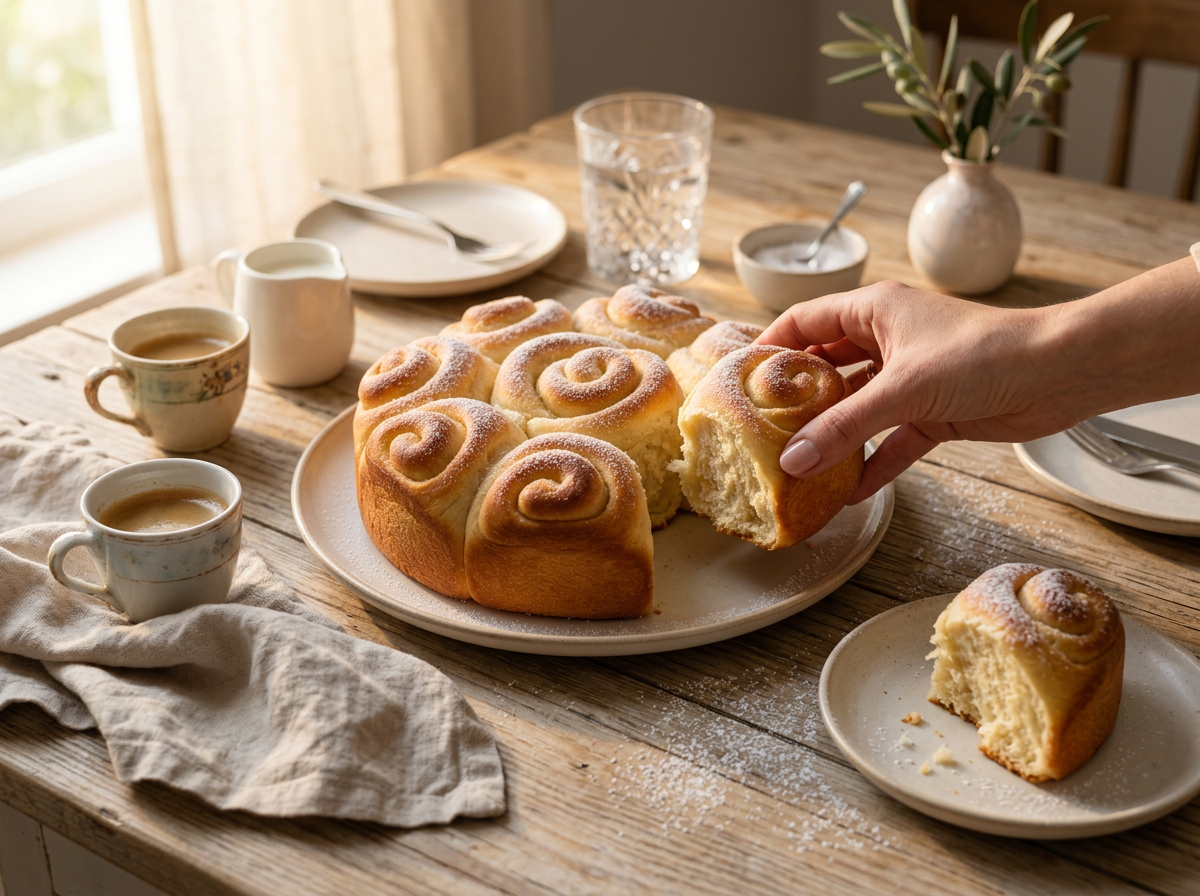
Torta di rose mantovana is a sweet brioche from Mantua, in Lombardy. A soft yeasted dough is rolled with butter and sugar, cut into ten strips, curled into roses, and baked together in one round pan.
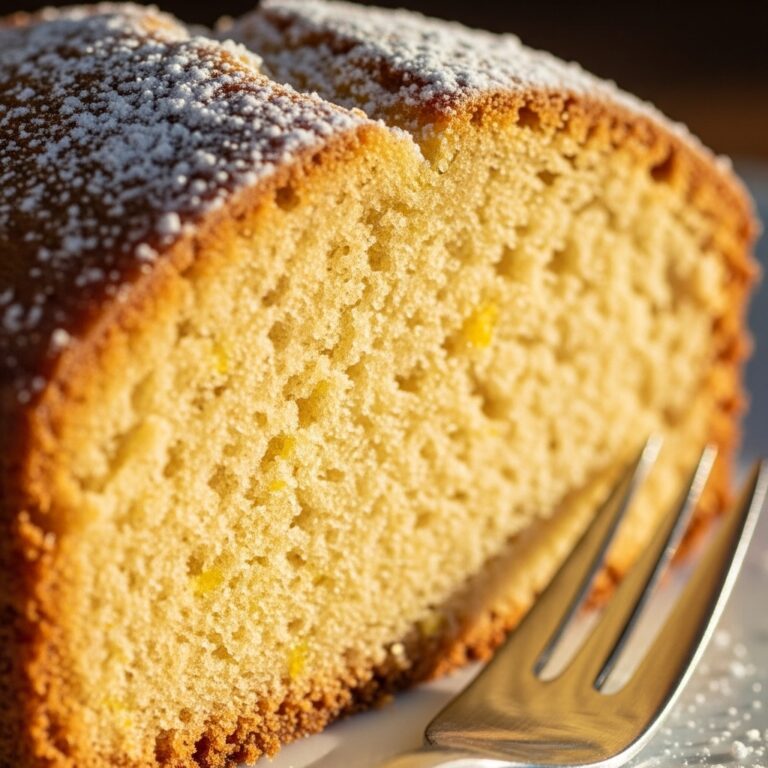
The texture, not the sugar, defines this cake. Butter and egg enrich the dough, so the crumb pulls apart in tender layers, and the butter-sugar spiral stays soft inside each petal.
It’s a weekend bake. Active work is about 45 minutes, and two rises account for most of the 3 hours 45 minutes total. The cake is best the day you bake it and keeps for 3 days.
I use bread flour for structure and a spreadable, room-temperature butter filling. Both choices keep the roses tall and tender.
Why You’ll Love This Recipe
- Soft, pull-apart crumb that stays tender for 3 days
- Made from pantry staples: flour, butter, eggs, milk, sugar
- Shapes the night before and bakes fresh in the morning
- Looks bakery-made with only rolling, cutting, and curling
Ingredient Notes
- bread flour: Bread flour (12 to 13 percent protein) gives the dough enough structure to carry the butter. All-purpose works, with a small milk adjustment explained in the FAQ.
- unsalted butter: Take the filling butter out about 1 hour ahead so it spreads like soft paste. Cold butter is hard to spread and melted butter runs off the dough.
- instant yeast: 7 g instant yeast equals about 20 g fresh yeast, which you crumble into the warm milk first. Skip the proofing step with instant yeast.
- lemon zest: Use an unwaxed lemon and zest only the yellow layer. Orange zest is a fine swap if that’s what you have.
- whole milk: Whole milk gives a softer crumb than low-fat. Warm it to about 35 C / 95 F, so it feels barely warm to the touch.
Torta di Rose Mantovana: Soft Buttery Brioche Roses
Ingredients
Method
- Whisk the flour, 120 g sugar, yeast, salt, and lemon zest in the bowl of a 5-quart / 4.7 L stand mixer. Add the lukewarm milk, eggs, yolk, and vanilla, then mix with the dough hook on low for 4 to 5 minutes until the dough comes together in a shaggy mass.
- Add the 100 g soft butter a few pieces at a time, kneading on medium-low and waiting until each addition disappears. Knead for 8 to 10 minutes more until the dough is smooth and glossy and pulls cleanly from the sides of the bowl. By hand, expect 15 to 20 minutes on a floured surface.
- Shape the dough into a ball, place it in a clean bowl, and cover with a damp towel. Let it rise at 24 C / 75 F for 75 minutes, until doubled in size.
- Line the base and sides of a 26 cm / 10-inch springform pan with parchment. Roll the dough on a lightly floured surface into a 30 x 60 cm rectangle, about 5 mm thick, with a long side facing you.
- Spread the 90 g soft butter over the whole rectangle and sprinkle the 80 g sugar evenly on top. Fold the dough in half lengthwise to make a 15 x 60 cm double layer, then press lightly. Cut crosswise with a sharp knife into 10 strips, each 6 cm wide.
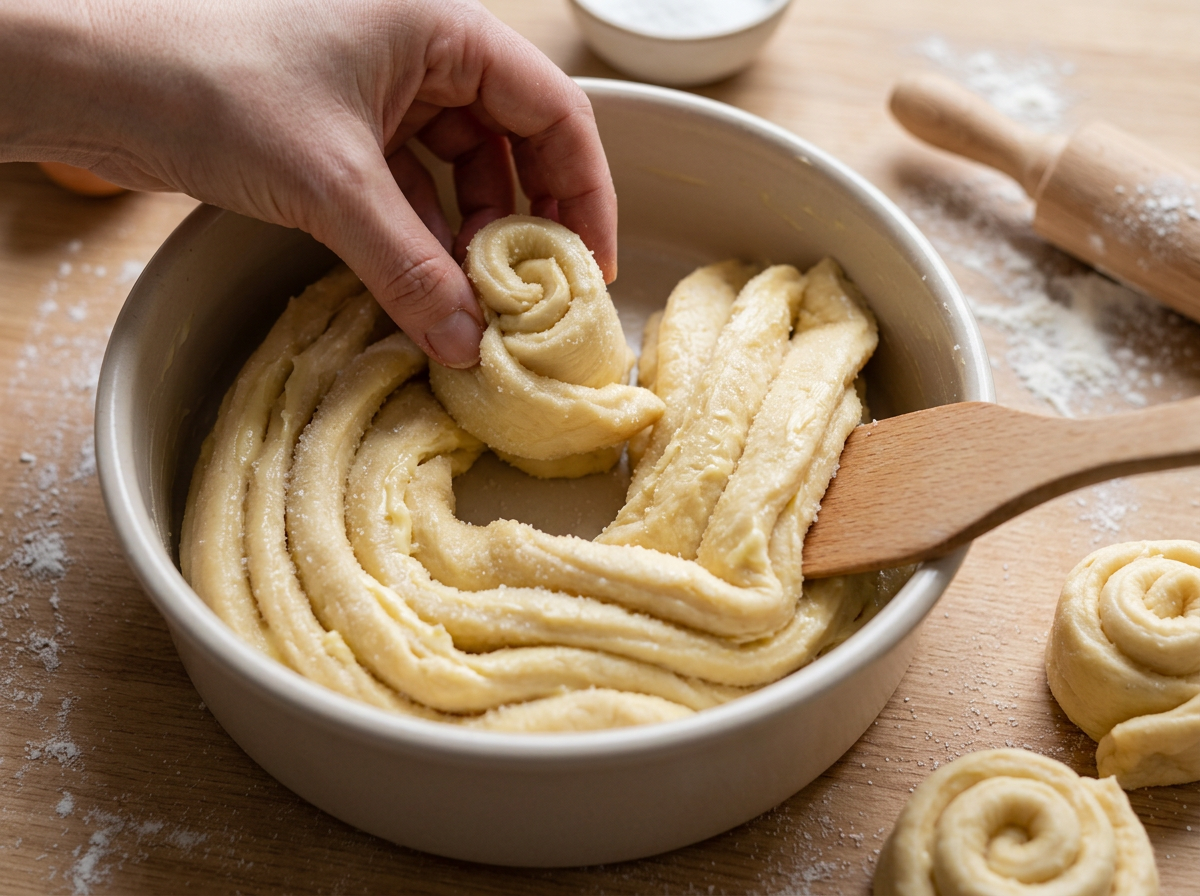
- Roll each strip up loosely from one long edge into a spiral. Stand one rose in the center of the pan and arrange the other nine in a ring around it, cut side up, fanning the top layers outward. Cover and let rise 45 minutes until puffy and touching. If you bake before they've puffed, the roses stay tight and the crumb turns dense.
- Heat the oven to 180 C / 350 F during the last 20 minutes of the rise. Brush the roses with the yolk and milk wash, then bake on the middle rack for 40 minutes. Tent with foil after 20 minutes if the tops are darker than deep gold. The cake is done when the roses are deep golden and the center reads 93 C / 200 F.
- Cool in the pan on a rack for 20 minutes, then release the ring and slide the cake onto the rack. Dust with powdered sugar through a fine-mesh sieve just before serving.
Notes
- Keep the filling butter soft enough to spread, about the texture of mayonnaise.
- Let the dough rise in a spot around 24 C / 75 F, longer if the kitchen is cooler.
- Store at room temperature, not in the fridge, to keep the crumb soft.
- Tent the pan with foil at the 20-minute mark if the tops are darker than deep gold.
Tips for Success
- Weigh the flour on a kitchen scale, because cup measures vary by 30 g or more and a stiff dough rises slowly.
- Add the dough butter a few pieces at a time and wait until each one disappears before adding the next.
- Spread the soft butter all the way to the edges so every petal gets some, then sprinkle the sugar in one even layer.
- Cut the strips with a single downward press of a sharp knife instead of sawing, so the layers don’t smear together.
- Check the center rose with an instant-read thermometer and pull the cake from the oven at 93 C / 200 F.
Variations
- Swap the lemon zest for orange zest and add 1/2 tsp almond extract to the dough for a warmer, almond-leaning scent.
- Scatter 40 g finely chopped toasted hazelnuts over the butter and sugar before folding for a lightly crunchy edge on each petal.
- Spread 120 g chocolate-hazelnut spread over the dough in place of the butter and sugar for a chocolate version.
Storage and Reheating
Torta di rose mantovana keeps in an airtight container or under a cake dome at room temperature for 3 days. It tastes best the day it’s baked. Skip the fridge, which dries out the brioche crumb.
To freeze, slice the cooled cake into individual roses, wrap each in plastic, and freeze for up to 2 months. Thaw at room temperature for about 1 hour.
To reheat, warm a rose or slice at 150 C / 300 F for 8 minutes, loosely covered with foil. In the microwave, 10 to 12 seconds per piece is enough. Add a fresh dusting of powdered sugar after warming, since the first layer dissolves into the crust.
Serving Suggestions
Torta di rose mantovana is best served slightly warm or at room temperature, one rose per person. Pull the roses apart by hand at the table, or cut between them with a serrated knife.
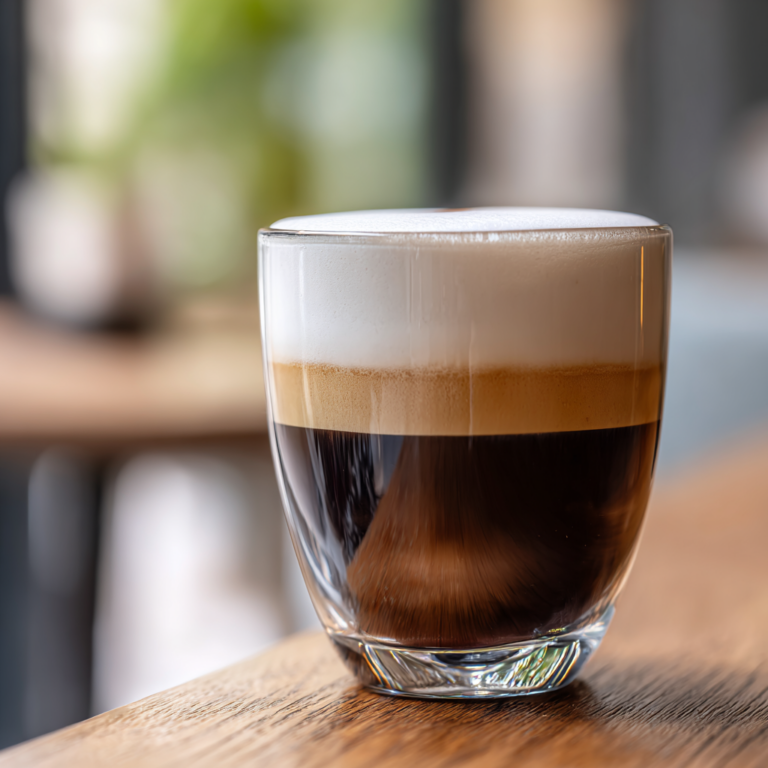
For colazione, pair it with cappuccino or a short espresso. For dessert, add a spoonful of lightly sweetened mascarpone and a small glass of chilled Moscato d’Asti.
Dust the powdered sugar on right before serving. It dissolves into the crust over time, so a second light dusting helps if the cake sits out.
FAQ
How do I know when torta di rose is proofed enough to bake?
The roses should look puffy, touch each other and the pan sides, and feel airy when you jiggle the pan. Press a fingertip gently into one petal: the dent should spring back slowly and leave a faint mark. That usually takes 45 minutes at 24 C / 75 F, longer in a cooler kitchen.
Can I use all-purpose flour instead of bread flour for torta di rose?
Yes, use the same 500 g of all-purpose flour. The cake will be a little softer and less chewy, and the dough may feel slacker, so hold back about 2 tablespoons of the milk and add it only if the dough looks dry after mixing.
Can I shape torta di rose the night before and bake it in the morning?
Yes. After arranging the roses in the pan, cover it tightly and refrigerate for 8 to 12 hours in place of the 45-minute rise. In the morning, leave the pan at room temperature for 45 minutes until the roses look puffy, brush with egg wash, and bake as written.
What goes well with torta di rose mantovana?
Espresso or cappuccino suits it at breakfast, and a small glass of chilled Moscato d’Asti works after dinner. A spoonful of lightly sweetened mascarpone or fresh berries on the side adds contrast. The cake is already sweet, so keep the extras plain.
How do I make torta di rose dairy free?
Swap the milk for unsweetened oat milk and use a block-style plant butter with at least 80 percent fat for both the dough and the filling. Avoid tub margarine, which has more water and makes the filling slip. The crumb will be slightly less rich than the traditional version.
What is the difference between torta di rose and cinnamon rolls?
Torta di rose mantovana uses only butter and sugar for the filling, with lemon zest and vanilla in the dough, and no cinnamon or icing. The strips are rolled into upright roses that bake together as one cake in a springform. Cinnamon rolls are spiraled slices baked in rows and finished with glaze.