Jump to Recipe
Farinarsa Valtellinese is a toasted flour soup from Valtellina, the Alpine valley in northern Lombardy. You brown plain flour in a dry pan, build a butter and onion base, and simmer it all with hot broth for 20 minutes. Recipes vary from house to house, and this is the version I make.
The name comes from farina arsa, roughly “burnt flour,” and the toasting is the whole point. Ten minutes in a dry skillet turns pantry flour into something closer to hazelnut than bread.
It’s weeknight food. You need flour, butter, an onion and a carton of broth, and the pot is on the table in 50 minutes.
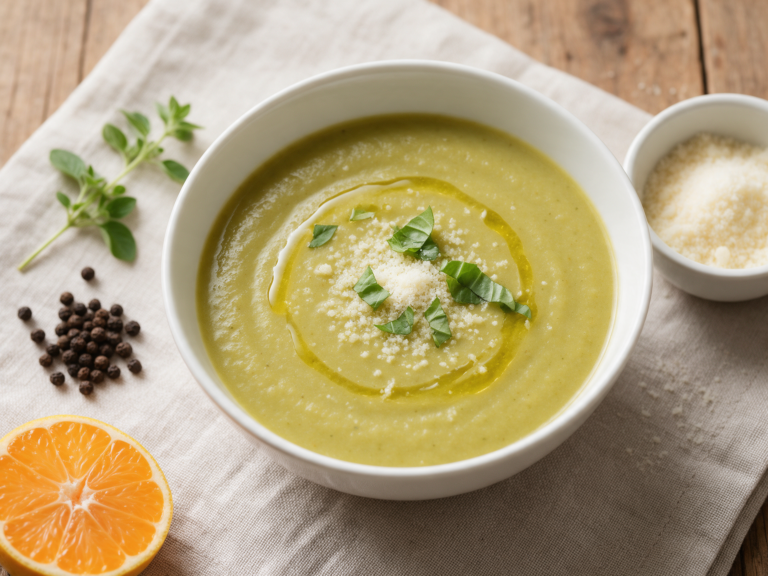
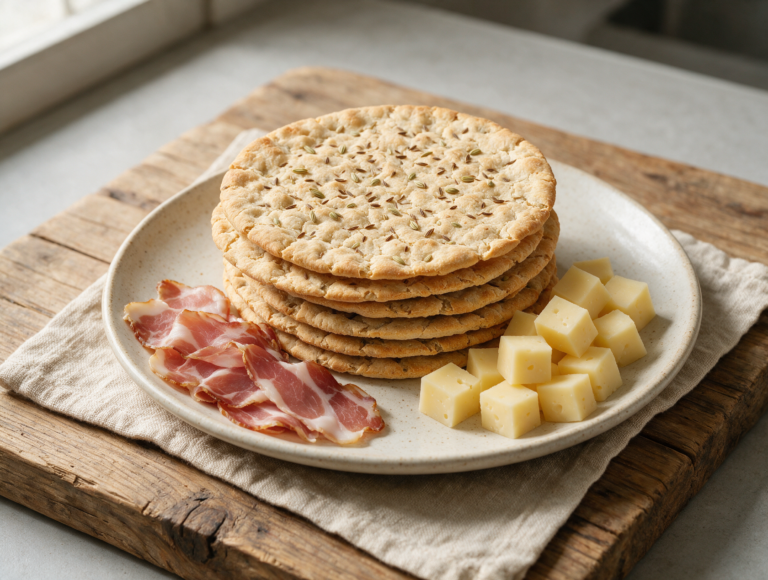
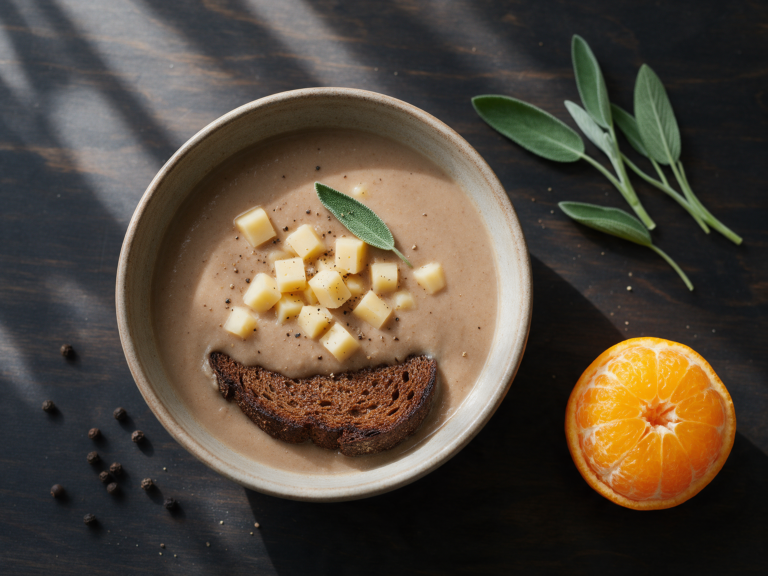
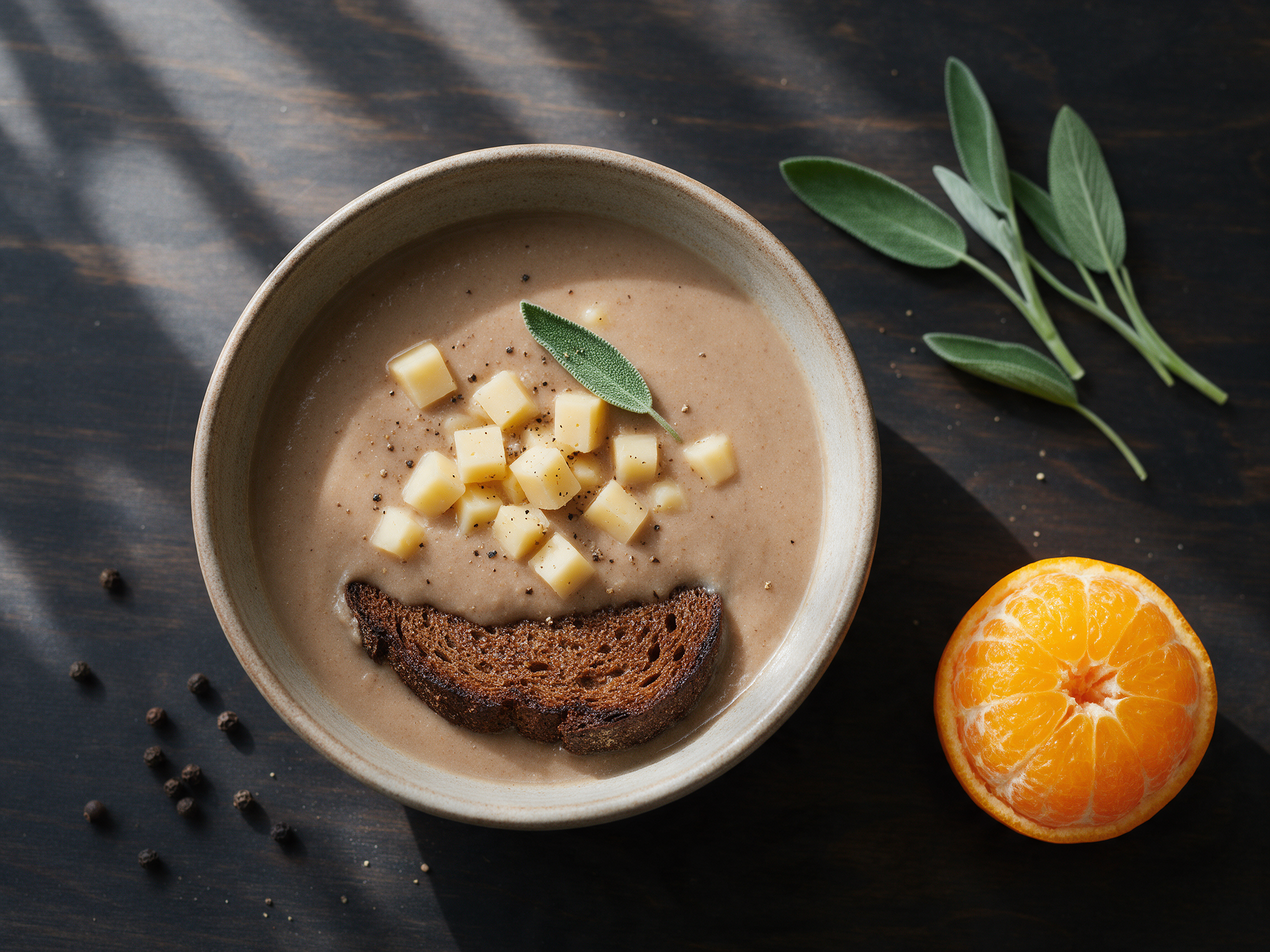
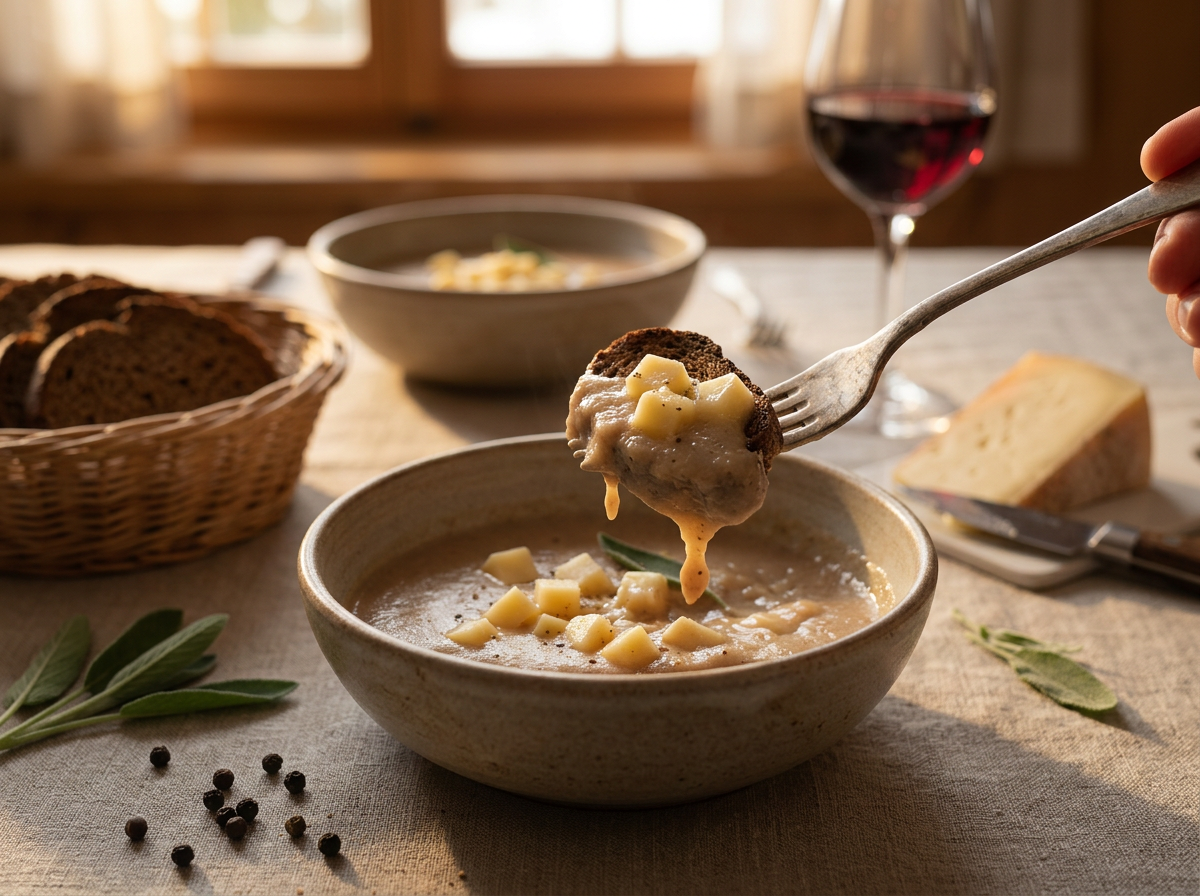
Ladle it over toasted rye bread and finish with cubes of Casera. The texture defines the result here: loose, silky and lightly thickened, with no cream anywhere.
Why You’ll Love This Recipe
- Uses only pantry staples you likely have already
- Costs under two dollars a serving
- Toasting the flour builds deep flavor without long simmering
- Reheats well for next-day lunches
Ingredient Notes
- all-purpose flour: Plain white flour toasts evenly and gives a pale, silky body. You can swap up to half for buckwheat flour for a more earthy, Alpine taste.
- Casera cheese: Casera is a semi-firm Valtellina cow’s milk cheese with a mild, slightly tangy taste. Young Fontina, Asiago fresco or Gruyere work if you can’t find it.
- vegetable broth: A clean-tasting vegetable broth keeps the toasted flour in front. Beef broth is a traditional alternative and makes a deeper, savory soup.
- rye bread: Dense rye holds up under the hot soup without dissolving. Sourdough or a country loaf is a fine substitute.
- butter: Use unsalted so you control the seasoning. Olive oil works if you need dairy free, though the soup tastes less round.
Farinarsa Valtellinese: Toasted Flour Soup with Casera
Ingredients
Method
- Warm the broth in a 2-quart / 1.9 L pot over low heat and keep it hot. Chop the onion and cube the Casera.
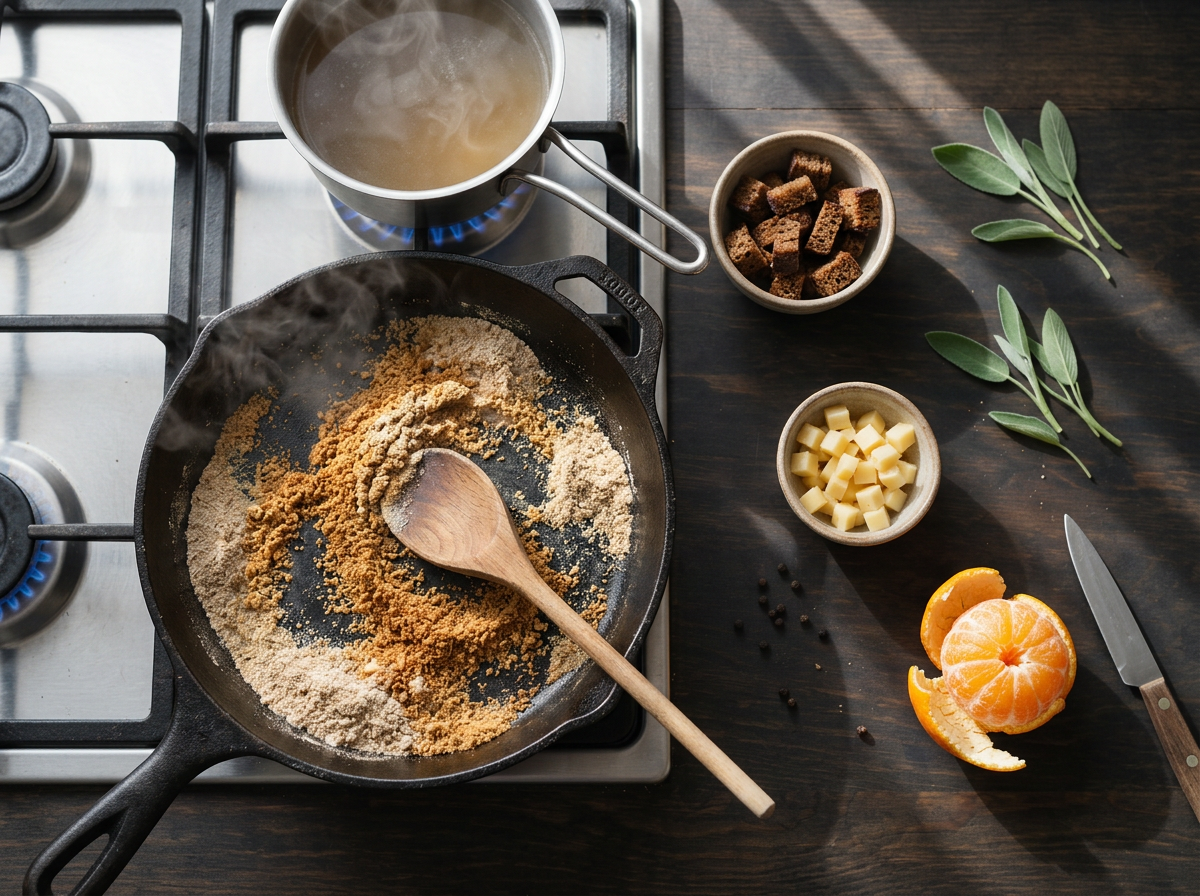
- Toast the flour in a dry 26 cm / 10-inch heavy skillet over medium-low heat for 8 to 10 minutes, stirring constantly, until it turns hazelnut brown and smells nutty. Tip it onto a plate to stop the cooking. If you see black flecks or smell bitterness, the flour has scorched, so discard it and start again.
- Melt the butter in a 3-quart / 2.8 L saucepan over medium heat. Add the onion, sage and a pinch of salt, and cook for 6 to 7 minutes, stirring, until the onion is soft and pale gold.
- Stir in the toasted flour and cook for 1 minute to form a paste. Add 250 ml of the hot broth a splash at a time, whisking until smooth, then pour in the remaining broth.
- Simmer over low heat for 20 minutes, stirring every few minutes, until the soup lightly coats the back of a spoon. Remove the sage, then season with the 1/2 tsp salt and pepper, adding more salt if needed.
- Toast the rye bread while the soup simmers. Place a slice in each warm bowl, ladle the soup over it, and top with the Casera and extra pepper. Serve at once.
Notes
- Keep the heat at medium-low while toasting the flour so it browns evenly.
- Use hot broth, added gradually, to keep the soup smooth.
- Add the cheese and bread at serving time, not before storing.
- Thin leftovers with a splash of broth when reheating.
Tips for Success
- Stir the flour constantly in the dry skillet and keep the heat at medium-low so it browns evenly instead of scorching at the edges.
- Heat the broth before adding it, because cold liquid hitting the flour paste is the main cause of lumps.
- Add the first 250 ml of broth a splash at a time, whisking between additions, then pour in the rest.
- Simmer on low and stir every few minutes, since flour-thickened soup sticks to the bottom of the pan if left alone.
- Season at the end, after the soup has thickened, and taste with a piece of the cheese since Casera adds its own salt.
Variations
- Replace half the flour with buckwheat flour for a darker, earthier soup closer to what Valtellina kitchens often cook with.
- Use a good beef broth instead of vegetable broth and finish with a spoonful of grated Parmigiano for a heavier, winter version.
- Top each bowl with a poached egg so the yolk runs into the soup and turns it into a more filling main.
Storage and Reheating
Farinarsa keeps in an airtight container in the fridge for 3 to 4 days. It thickens as it cools, so expect something closer to a pudding than a soup on day two.
Reheat it in a saucepan over medium-low heat for 5 to 7 minutes, whisking and adding a splash of broth or water until it loosens back to a ladle-able texture. Toast fresh bread and add fresh cheese at serving time rather than storing them in the soup.
Freezing works for up to 2 months if you leave out the cheese and bread. Thaw overnight in the fridge and whisk well while reheating, since the flour base can look slightly separated at first.
Serving Suggestions
Serve farinarsa in warm bowls over a slice of toasted rye bread, topped with cubes or shavings of Casera and a grind of black pepper. The cheese softens at the edges but stays distinct.
A simple side balances the mild, nutty soup. Thin slices of bresaola with lemon and olive oil, or a salad of bitter greens such as radicchio, both work.
If you’re pouring wine, a Rosso di Valtellina fits the region and cuts through the butter.
FAQ
How do I know when the flour for farinarsa is toasted enough?
The flour is ready when it turns the color of hazelnut skins, smells nutty, and moves like loose sand in the pan. That takes 8 to 10 minutes over medium-low heat with constant stirring. If you see dark flecks or smell anything sharp or bitter, it has scorched and the soup will taste acrid.
Can I use buckwheat flour instead of wheat flour in farinarsa?
Yes, you can swap up to half the flour for buckwheat flour for a more earthy, Alpine flavor. Toast the mixed flours for about 6 to 8 minutes and watch closely, since buckwheat browns faster. Using all buckwheat makes it gluten free if your broth and bread are too, but the texture turns slightly grainier.
Can I freeze farinarsa Valtellinese?
Yes, freeze the soup base for up to 2 months, without the cheese and bread. The flour thickening can look slightly split after thawing. Thaw it overnight in the fridge, then reheat in a saucepan over medium-low heat, whisking, and add a splash of broth to loosen it.
What do you serve with farinarsa Valtellinese?
Toasted rye bread and cubes of Casera are the base, and a light side such as bresaola with lemon or a bitter-leaf salad rounds it out. The soup is mild and nutty, so something sharp or salty next to it balances the bowl. A glass of Rosso di Valtellina fits the region well.
How do I make farinarsa dairy free?
Replace the butter with 4 tbsp (60 ml) of olive oil and leave out the Casera, or use a dairy-free hard cheese. The soup stays silky because the toasted flour does the thickening, not the dairy. It tastes a little less round, so add an extra pinch of salt and black pepper, and check the bread is dairy free.
Why is my farinarsa lumpy?
Lumps form when cold liquid hits the flour paste or the broth goes in too fast. Use hot broth, add the first 250 ml a splash at a time while whisking, then pour in the rest. If it’s already lumpy, blend it with an immersion blender for 10 to 15 seconds.