Jump to Recipe
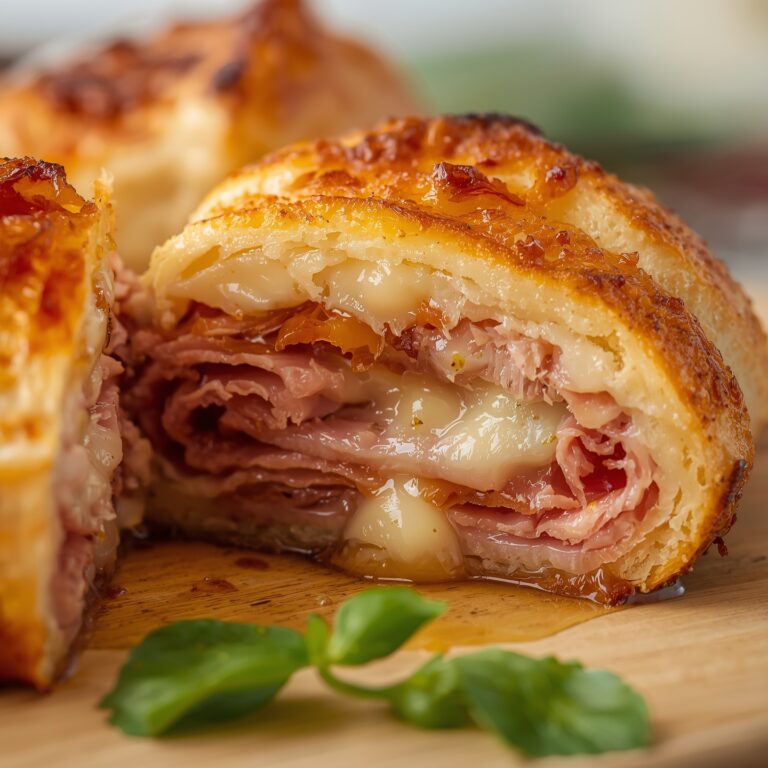
You want a straightforward Puglia bombette pork roll recipe that captures the smoky, cheesy bite sold on Itria Valley streets.
I grew up around the grills of Martina Franca and I’ll walk you through the exact cut, why thin slicing matters, and how to fold these little bundles so the melting center stays put.
Thin capocollo works best, fill with pancetta and caciocavallo, then choose pan, oven (200°C/392°F for about 20 minutes, finish under the grill), or barbecue for that charred finish.
I’ll also show safe doneness cues—golden crust, firm but yielding to touch—and shopping tips so your street food love becomes reliable home cooking.
Key Takeaways
- Use thinly sliced capocollo for tender, juicy results.
- Fill with pancetta and caciocavallo for classic flavor and melt.
- Cook methods: pan, oven at 200°C/392°F, or grill for smoke.
- Judge doneness by sight and touch: golden crust, slightly springy center.
- Regional roots: Martina Franca and the wider Itria Valley inform technique and seasoning.
What makes bombette from Puglia irresistible
Evenings in Martina Franca mean glowing grills and a small, molten bite that locals line up for. I grew up watching butchers and cooks work those fornelli, learning why technique matters as much as ingredients.
From Martina Franca to your grill: the Itria Valley’s beloved street food
The Itria Valley turns simple meat into ritual. In towns like Martina Franca and nearby villages, vendors skewer and grill these morsels until the outside crisps and the inside melts. This is classic street food built for sharing.
Classic filling: pancetta and caciocavallo for that “little bomb” of flavor
Salted pancetta and nutty caciocavallo are the core. The pancetta adds savory depth. The cheese melts into a creamy center that perfumes the bundle with garlic and parsley.
Choosing the right cut: thin slices of pork butt (capocollo) for tender rolls
I use pork butt for its marbling. Pound it to thin slices so the exterior sears fast and the cheese melts before the meat overcooks. Compact, 3–5 cm pieces cook evenly and keep juices inside.
- Contrast of salty pancetta and buttery cheese creates the signature flavor.
- Thin slices and tight folding ensure even cooking and a gooey center.
- Focus on quality meat and a light hand with seasoning.
Puglia bombette pork roll recipe: ingredients, tools, and step-by-step method
I’ll walk you through ingredients, tools, and exact steps so you can make these at home. Start simple: well-marbled pork butt sliced thin, thin slices of pancetta, caciocavallo, garlic, fresh parsley, extra-virgin olive oil, salt and pepper.
Your shopping list
- Thin slices of butt (ask your butcher)
- Slice pancetta and caciocavallo
- Garlic, chopped parsley, olive oil, salt pepper
Prep like a local
Place each slice under a sheet of paper and use a meat pounder to even them out. Keep pieces about 3–5 cm; if a slice is big, cut it in half.
Season lightly with salt and pepper. Layer one slice pancetta, a piece of caciocavallo, a pinch of chopped parsley and minced garlic. Fold the sides in and press the ends so the cheese stays inside. Secure with a toothpick and keep the meat tightly wrapped.
Cook it your way & doneness cues
- Pan: oil the pan, medium heat, ~10 minutes per side until golden and molten.
- Oven: 200°C/392°F for about 20 minutes, then broil for color.
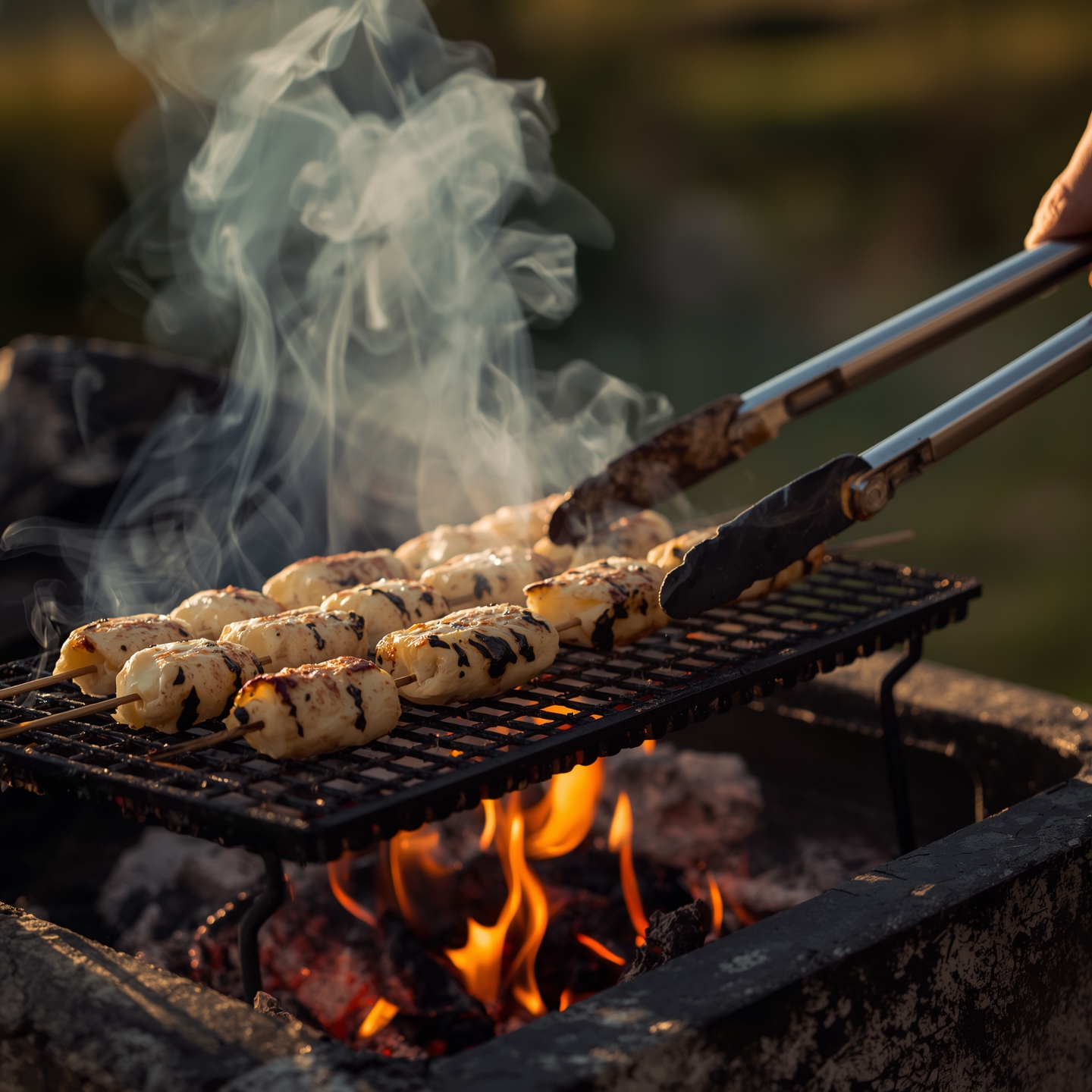
- Grill: thread 3–4 on a skewer, brush grate with oil, turn until browned (6–10 minutes).
| Method | Minutes | Key Cue |
|---|---|---|
| Pan-seared | ~20 | Golden exterior, melted cheese |
| Oven | ~20 | Brown top after broil |
| Grill | 6–10 | Even char, clear juices |
Pro tips, variations, and sides to serve like you’re in Puglia
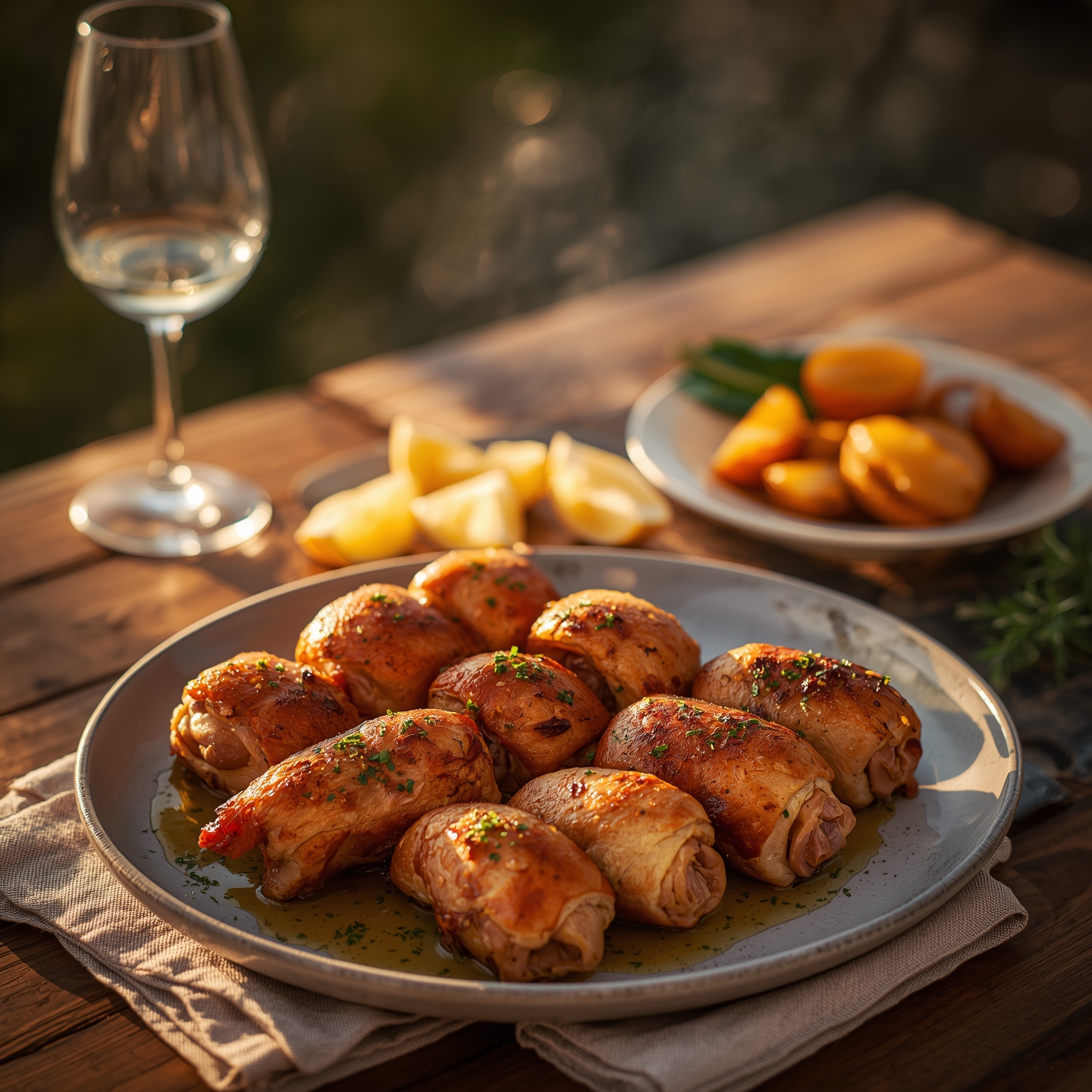
Here are the practical tips and swaps I use to keep that molten center and bring the flavors of Martina Franca home.
Breaded, smoked, or simple: smart swaps for cheese and curing
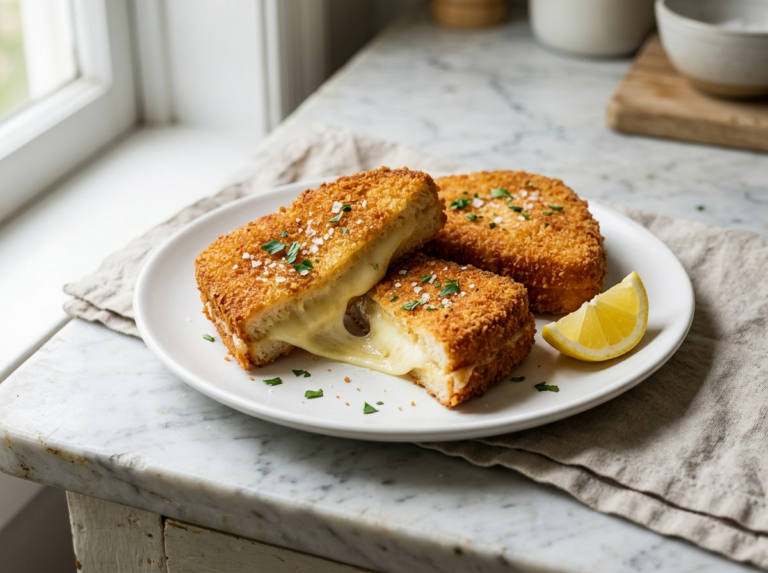
For a crisp edge, press each bundle into fine breadcrumbs mixed with chopped parsley and a pinch of salt. Breaded versions do well baked at 300°F for about 12–13 minutes.
Use caciocavallo for classic pull, or switch to smoked provolone for depth. Mozzarella gives a milky, stretchy finish. For cured meat, slice pancetta or try prosciutto cotto if you want something milder.
Plan ahead: make, store, and reheat without losing that gooey center
Assemble the pieces the day before on a sheet of paper, cover, and refrigerate so they keep shape. Refrigerate cooked batches up to 2 days; freeze raw on a paper-lined tray for up to 1 month.
Thaw in the fridge overnight and cook straight from chilled. For a saucier take, simmer in tomato passata about 30 minutes and use the pan sauce for pasta—see a related braised style braciole al sugo.
- Grill on skewers (3–4 each), brush grate with olive oil, turn often to avoid burning.
- Sauté gently in a pan with a tablespoon of olive oil, 2–3 minutes per side for golden color.
- Serve with broccoli rabe, eggplant caponata, or rosemary potatoes for hearty sides.
Conclusion
A few final tips will help you nail the golden exterior and a molten, cheesy center every time.
You now have the keys: well-marbled butt in thin slices, a balanced core of pancetta and cheese, and tight folding so the meat stays juicy. Trust your senses—look for a golden crust, a gentle ooze of cheese, and the scent of garlic and pepper before you pull from the grill.
Serve hot with rosemary potatoes or a fennel-arugula salad. Store cooked pieces up to 2 days refrigerated or freeze raw for a month. When friends ask for more, point them to the full recipe and suggest they print recipe to cook along.
I teach this because these bombette pugliesi capture street spirit and family warmth. A final drizzle of good olive oil makes the flavor sing.
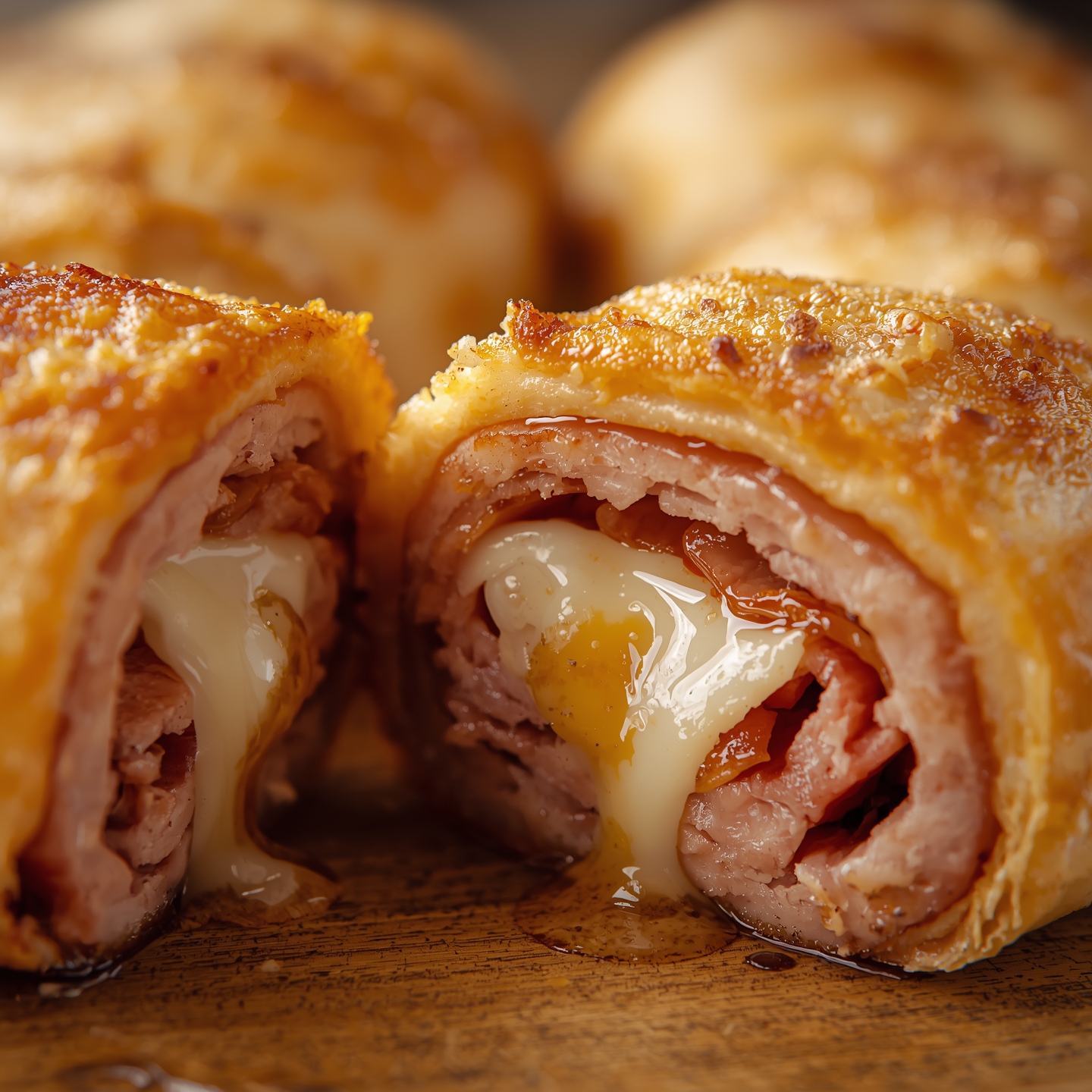
Puglia Bombette Pork Rolls (Bombette Pugliesi)
Ingredients
Method
- Ask your butcher for thin slices of pork butt (capocollo). If thick, place each slice between parchment and pound gently with a meat mallet until about 3–5mm thick.
- Lightly season each slice with salt and pepper. Add a small piece of pancetta, a cube of caciocavallo, a pinch of parsley, and a bit of minced garlic.
- Fold in the sides and roll tightly to keep the cheese inside. Secure with a toothpick or thread 3–4 on a skewer. The roll should be compact to cook evenly.
- Mix breadcrumbs, parsley, and a pinch of salt. Lightly roll each bombetta in the mixture for a crisp edge.
- Choose your cooking method:
- Heat 1 tbsp olive oil in a pan over medium heat.
- Cook 8–10 minutes per side until golden and cheese begins to ooze.
- Preheat to 200°C / 392°F.
- Place bombette on a lined tray, brush with olive oil.
- Bake for about 20 minutes, then broil for 2–3 minutes to brown the tops.
- Brush grill grates with olive oil.
- Grill skewered bombette 6–10 minutes, turning often until browned on all sides and cheese is molten.
- Drizzle a little olive oil over the top before serving. Pair with rosemary potatoes, caponata, or a fresh green salad.
Notes
- Use well-marbled pork for tender results.
- Don’t overfill — just enough cheese to melt inside.
- Always roll tightly so the filling doesn’t leak out.
- For authentic flavor, grill over charcoal for a smoky edge.
- Rest a few minutes before serving so juices stay inside.
- Store cooked bombette up to 2 days in the fridge or freeze raw for up to a month.
FAQ
What are traditional bombette and where do they come from?
Traditional bombette are small, stuffed meat parcels from Martina Franca in the Itria Valley. The street-food bite pairs thin slices of capocollo or pork butt with caciocavallo cheese and a strip of pancetta, then is seasoned with salt, pepper, garlic, and parsley. They’re grilled or pan-seared until the cheese melts and the outside turns golden.
Which cut of meat should I buy for authentic results?
Choose thin slices of pork butt (capocollo) or comparable shoulder cuts. These have the right marbling for tenderness and flavor. Use a meat pounder to flatten thicker slices so you can fold and roll them tightly around the filling.
What filling and seasonings are classic for these rolls?
Keep it simple: caciocavallo or a similar melty cheese, a thin slice of pancetta, chopped parsley, minced garlic, salt, and black pepper. A drizzle of good olive oil helps with flavor and browning.
How do I assemble them so they stay together during cooking?
Lay the slice flat, top with cheese and pancetta, add herbs, then fold or roll tightly. Secure with a skewer if needed. Work on a sheet of parchment to keep things tidy and press the edges gently so the filling won’t leak.
What are the best cooking methods and timing?
You can grill, pan-sear, or oven-bake. On a hot grill or skillet with olive oil, cook 3–5 minutes per side until golden and cheese melts. In the oven, bake at 400°F (200°C) for about 10–12 minutes, finishing under high heat for color if desired.
How can I tell when they’re done and safe to eat?
Look for a golden-brown exterior, melted cheese peeking from the ends, and juices running clear. Use an instant-read thermometer if unsure—the safe internal temperature for pork is 145°F followed by a short rest.
Can I prepare them ahead for a gathering or street-food style service?
Yes. Assemble the parcels and store them in the fridge on a tray covered with plastic wrap for up to a day. For longer storage, freeze on a sheet until firm, then transfer to a bag. Reheat gently in the oven or on the grill to preserve the gooey center.
What tasty variations and sides work well with this dish?
Try swapping caciocavallo for provolone, adding smoked cheese for depth, or breading lightly for a crispy finish. Serve with crusty bread, roasted vegetables, or a simple salad and a drizzle of extra virgin olive oil to keep the flavors authentic and balanced.
Any tips to avoid common mistakes?
Don’t overstuff or under-season. Pound slices evenly so they cook uniformly. Keep heat high enough for quick searing to lock juices, and don’t crowd the pan or grill. Finish with chopped parsley and a squeeze of lemon if you like brightness.