
Jump to Recipe
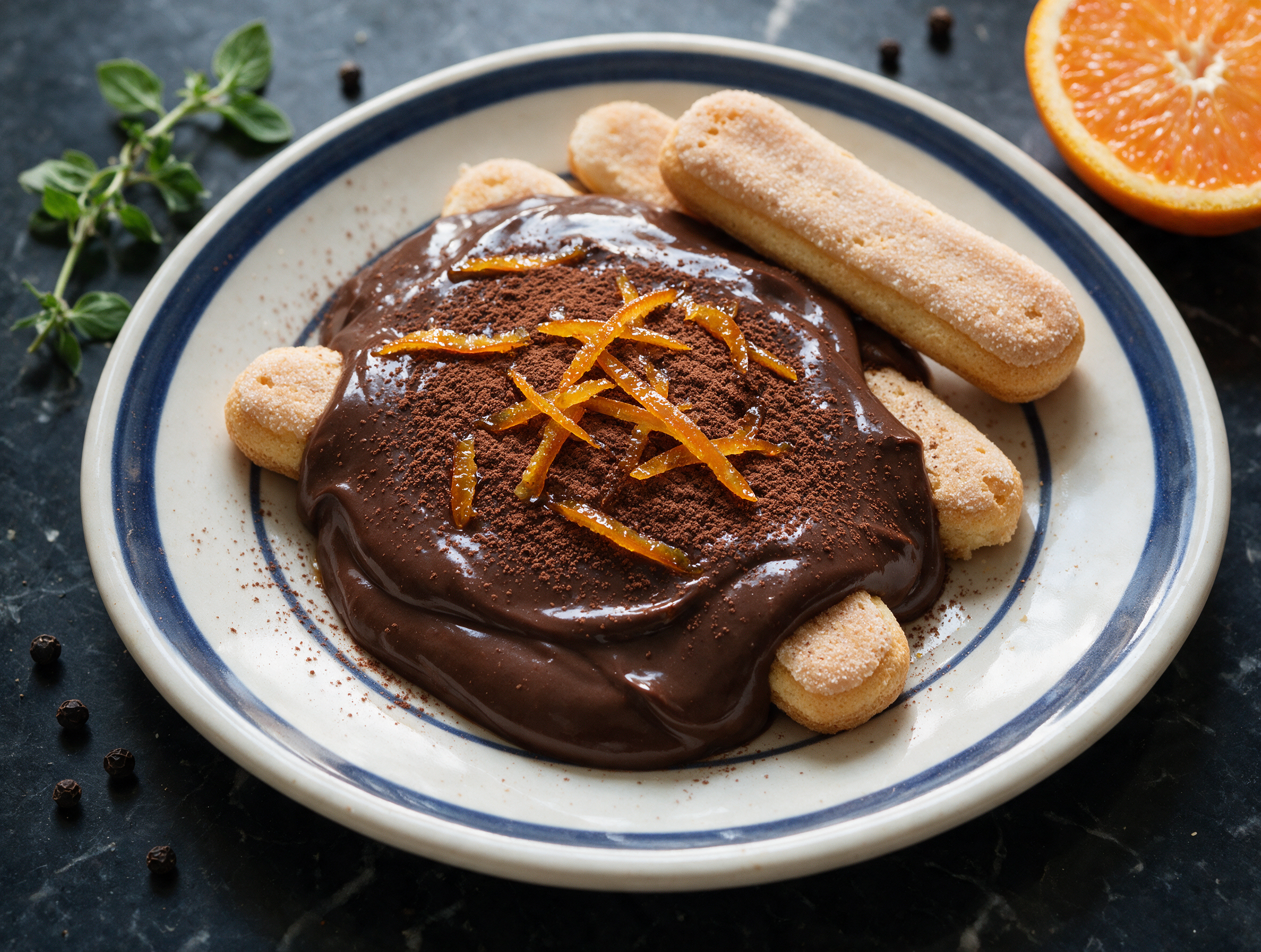
Sanguinaccio dolce is a Neapolitan chocolate cream cooked on the stovetop with milk, dark chocolate and cornstarch until it turns thick and glossy, close to a rich chocolate budino. The name translates to sweet blood pudding, a nod to the original recipe that used pig’s blood as its thickener.
Italy banned the sale of raw pig’s blood for food use in 1992, so every kitchen since then makes this dessert without it. What’s left is a dense chocolate custard, closer to French pot de creme than American pudding, held together with cornstarch instead of blood or egg yolks.
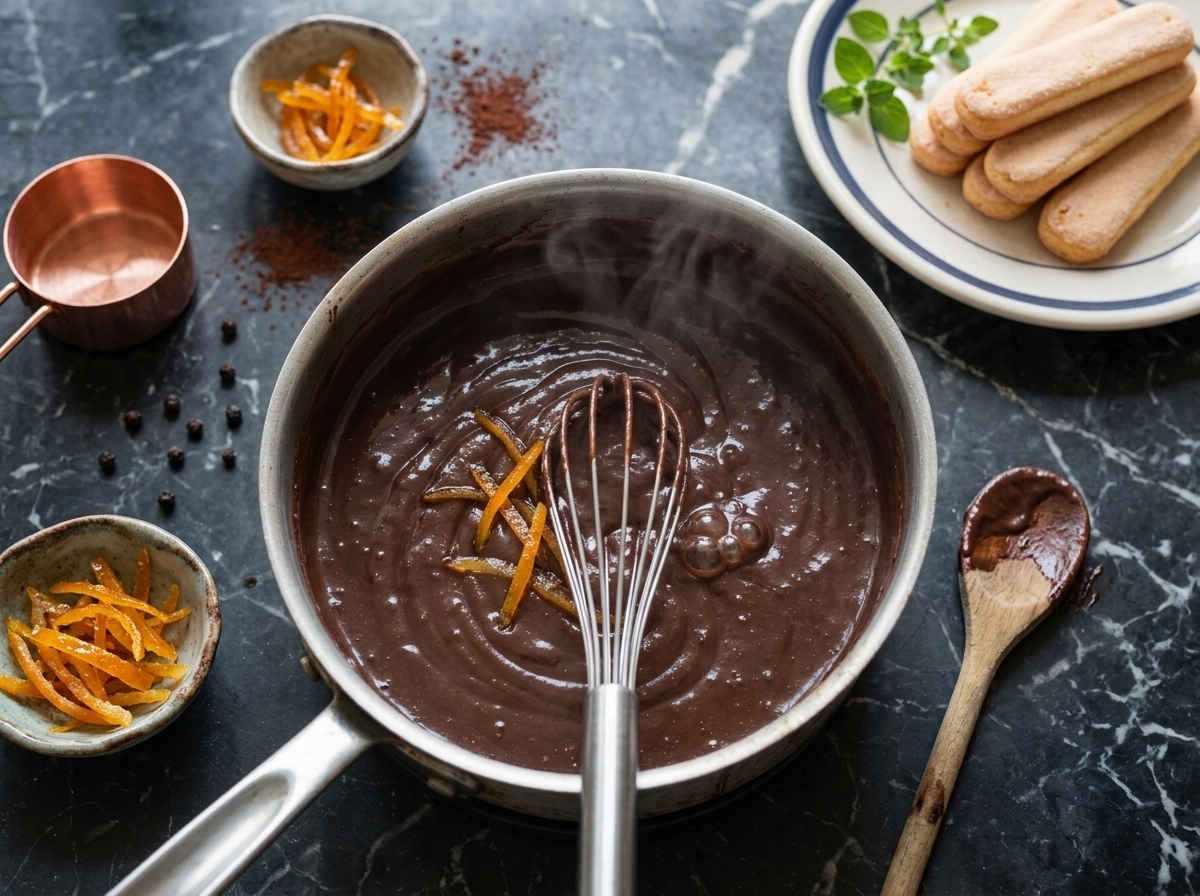
I cook mine low and slow, whisking the whole time so the bottom doesn’t scorch. The color should shift from dull brown to a deep, almost black-brown once the chocolate melts in fully.
Serve it chilled in small cups with plain wafer biscuits or savoiardi for dipping. A dusting of cinnamon and a few strands of candied orange peel on top is traditional in Naples, especially around Carnevale.
Why You’ll Love This Recipe
- Egg-free chocolate custard ready in 15 minutes
- No pig’s blood, just cocoa and dark chocolate
- Make-ahead dessert that chills overnight in the fridge
- Naturally gluten-free base, just check the toppings
Ingredient Notes
- whole milk: Whole milk gives the custard body. Low-fat milk works but the finished cream turns noticeably thinner.
- dark chocolate: Use 70% dark chocolate for a bittersweet edge. Milk chocolate makes the dessert cloying and too sweet.
- cocoa powder: Unsweetened cocoa deepens the chocolate flavor without adding more sugar to the mix.
- cornstarch: Cornstarch replaces the blood’s original thickening job here. Potato starch works at the same ratio.
- cinnamon: A traditional Neapolitan touch. Skip it if you want a plainer chocolate flavor.
- candied orange peel: Optional garnish that cuts through the bitter chocolate. Diced dried apricot works as a substitute.
Sanguinaccio Dolce: Naples’ Silky Chocolate Pudding
Ingredients
Method
- In a mixing bowl, whisk together the cocoa powder, sugar, cornstarch and salt until no lumps remain.
- Pour in about 120 ml of the cold milk and whisk to a smooth, thick paste.
- Heat the remaining milk in a 3-quart / 2.8 L saucepan over medium heat until it starts to steam, about 4 minutes.
- Pour a ladleful of the hot milk into the cocoa paste, whisking to loosen it, then pour the mixture back into the saucepan with the rest of the milk.
- Add the chopped dark chocolate and cinnamon. Cook over medium-low heat, whisking constantly, for 8 to 10 minutes until the cream coats the back of a spoon and reaches 82 to 85 C / 180 to 185 F, just under a full boil.
- Remove from the heat and stir in the vanilla extract. If the cream looks lumpy, pass it through a fine-mesh sieve into a clean bowl.
- Divide the cream among small serving cups or glasses. Press plastic wrap directly onto the surface of each and refrigerate for at least 2 hours, until fully set and cold.
- Before serving, top with diced candied orange peel and a light dusting of cocoa powder or cinnamon. Serve with savoiardi or wafer biscuits alongside for dipping.
Notes
- Keep the milk under a full boil, around 82 to 85 C / 180 to 185 F, to avoid scorching.
- Whisk without stopping once the cornstarch goes in, this is the one step that can't be rushed.
- Chill for at least 2 hours; the cream firms up more than it looks like it will while warm.
- Double the batch easily, just use a wider pot so the cream cooks evenly.
Tips for Success
- Whisk constantly once the milk hits a simmer so the cornstarch doesn’t clump at the bottom of the pot.
- Chop the chocolate fine so it melts evenly into the hot milk instead of leaving unmelted chunks.
- Strain the finished cream through a sieve if you spot any lumps before it goes into the fridge.
- Cover the cream with plastic wrap pressed directly onto the surface to stop a skin from forming.
- Taste before chilling and adjust the sugar, since the flavor mutes slightly once the dessert is cold.
Variations
- Add 2 tablespoons of dark rum or Strega liqueur after cooking for the boozy version served at Carnevale parties.
- Swap half the dark chocolate for milk chocolate if you want a sweeter, less bitter cream.
- Stir in a spoonful of hazelnut spread at the end for a gianduia-style twist on the classic.
Storage and Reheating
Store sanguinaccio dolce in an airtight container in the fridge for 3 to 4 days. Press plastic wrap onto the surface before sealing to stop a skin from forming.
This dessert, much like a classic vanilla panna cotta, is meant to be eaten cold, so there’s no reheating step involved. If the chilled cream turns too stiff to scoop, stir in a tablespoon of cold milk to loosen it back to a spoonable texture.
Freezing isn’t recommended here. Cornstarch-thickened creams turn grainy and separate once thawed, so it’s better to make a fresh batch than to freeze leftovers.
Serving Suggestions
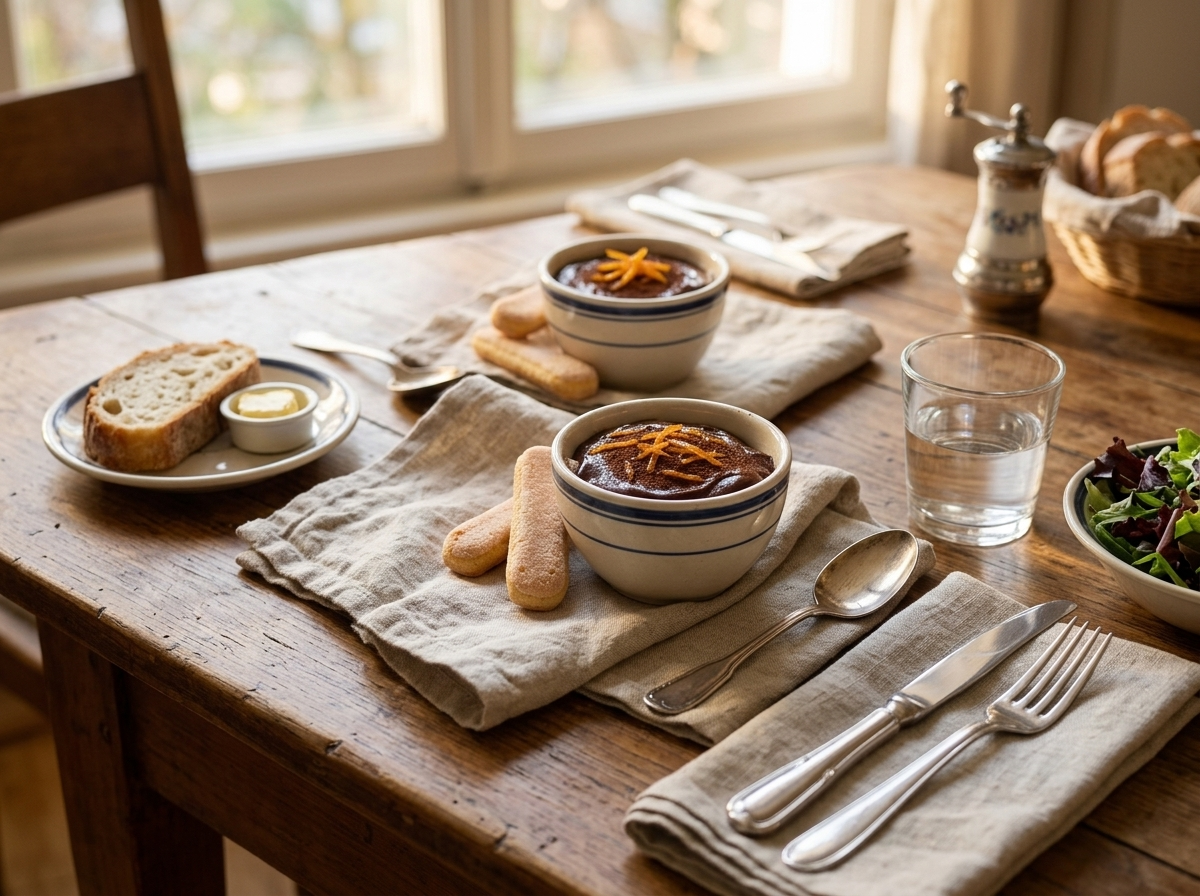
Sanguinaccio dolce is traditionally spooned into small cups or glasses and served with plain wafer biscuits, savoiardi, or torroncini for dipping.
In Naples it shows up around Carnevale, often alongside chiacchiere, the fried, sugar-dusted pastry strips of the same season.
For a simpler plate, top each portion with a few chopped toasted hazelnuts and a light dusting of cocoa powder.
FAQ
Why is my sanguinaccio dolce lumpy instead of smooth?
Lumps usually form when the cornstarch mixture hits the hot milk too fast or the whisking stops for even a moment. Add the starch slurry in a slow stream while whisking nonstop, and keep the heat at a gentle simmer rather than a hard boil. If a few lumps sneak in, push the finished cream through a fine sieve before chilling.
Can I use only cocoa powder instead of dark chocolate?
You can, but the cream will taste flatter since dark chocolate carries cocoa butter that gives the dessert its glossy finish. If you swap in extra cocoa powder, add a tablespoon of butter near the end of cooking to bring back some of that richness. Dark chocolate still gives the best texture here.
Can I make sanguinaccio dolce a day ahead of Carnevale?
Yes, it actually improves overnight in the fridge as the flavors settle and the texture firms up. Store it covered with plastic wrap pressed onto the surface, then stir gently before serving. Prepare it up to 2 days ahead and keep it chilled until you’re ready to spoon it into cups.
What goes with sanguinaccio dolce besides savoiardi?
Plain wafer biscuits, torroncini, or simple butter cookies all work for dipping into the chocolate cream. Chiacchiere, the fried sugar-dusted pastry strips served during Carnevale, are the classic Neapolitan pairing. A few chopped toasted hazelnuts on top add crunch against the smooth custard.
Is sanguinaccio dolce gluten-free?
The custard itself is gluten-free since it’s built from milk, dark chocolate, cocoa powder and cornstarch with no flour. Check your chocolate brand for shared-facility warnings if you have celiac disease, and serve it with gluten-free wafers or fruit instead of traditional savoiardi to keep the whole plate free of gluten.
Does modern sanguinaccio dolce actually contain pig’s blood?
No, Italy banned the sale of raw pig’s blood for food use in 1992, so every home and bakery version made since then skips it entirely. What remains is a cornstarch-thickened chocolate custard that keeps the name and dark color of the original but none of the blood.