
Jump to Recipe
The Cardinale cocktail is a Negroni relative made with gin, Campari, and dry vermouth instead of sweet vermouth, poured in a 3:2:1 ratio and stirred over ice.
Losing the sugar in sweet vermouth changes everything. The drink turns cleaner and more bitter-forward, with the dry vermouth’s herbal snap standing in for the usual sweetness.
I keep a bottle of dry vermouth in the fridge specifically for this one. It oxidizes fast once opened, and a stale bottle is the most common reason a Cardinale tastes flat instead of crisp.
This is a three-ingredient pour with one real technique: stirring long enough to chill and dilute the drink without watering it down. Get that right and the rest takes care of itself.
Why You’ll Love This Recipe
- Ready in about 5 minutes with three bottles and ice
- Drier and more bitter than a Negroni, less syrupy
- Works as a proper pre-dinner aperitivo
- Easy to batch the spirits ahead for a party
Ingredient Notes
- Gin: Use a London dry style with a clear juniper backbone so it doesn’t disappear next to the Campari. A cheaper gin is fine here, save the botanical-heavy bottles for sipping neat.
- Campari: This is the bitter, red backbone of the drink. Aperol is milder and sweeter and will not give you the same drink, so stick with Campari if you can.
- Dry vermouth: The ingredient that separates this from a Negroni. Refrigerate it after opening and use within 4 to 6 weeks, since it turns flat and dull past that.
- Lemon peel: Use a wide strip from an unwaxed lemon so you get clean oil when you twist it. Orange peel works too, but lemon keeps the drink brighter.
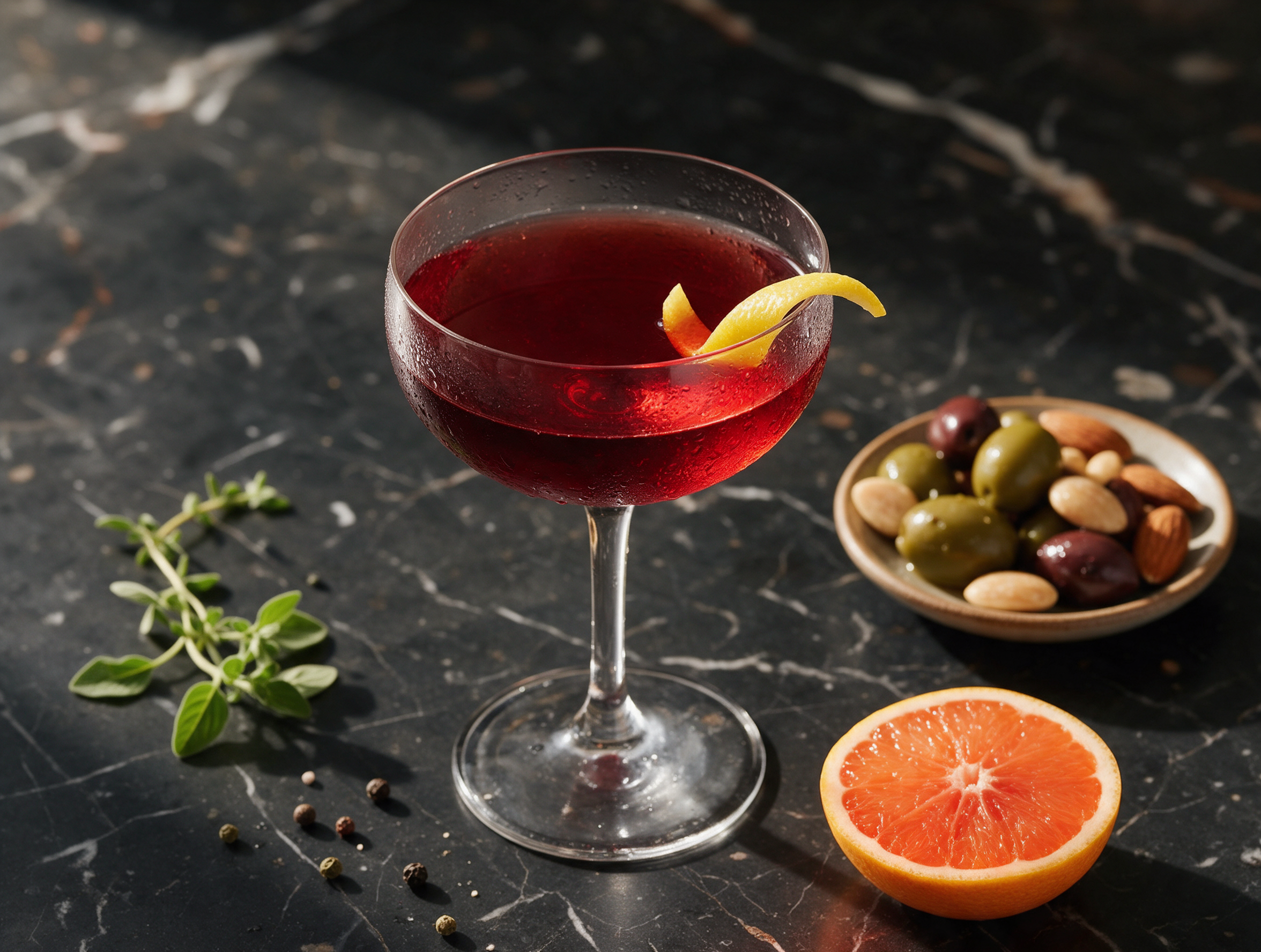
Cardinale Cocktail: A Drier Negroni with Dry Vermouth
Ingredients
Method
- Chill a coupe glass in the freezer for 10 minutes, or fill it with ice water while you build the drink.
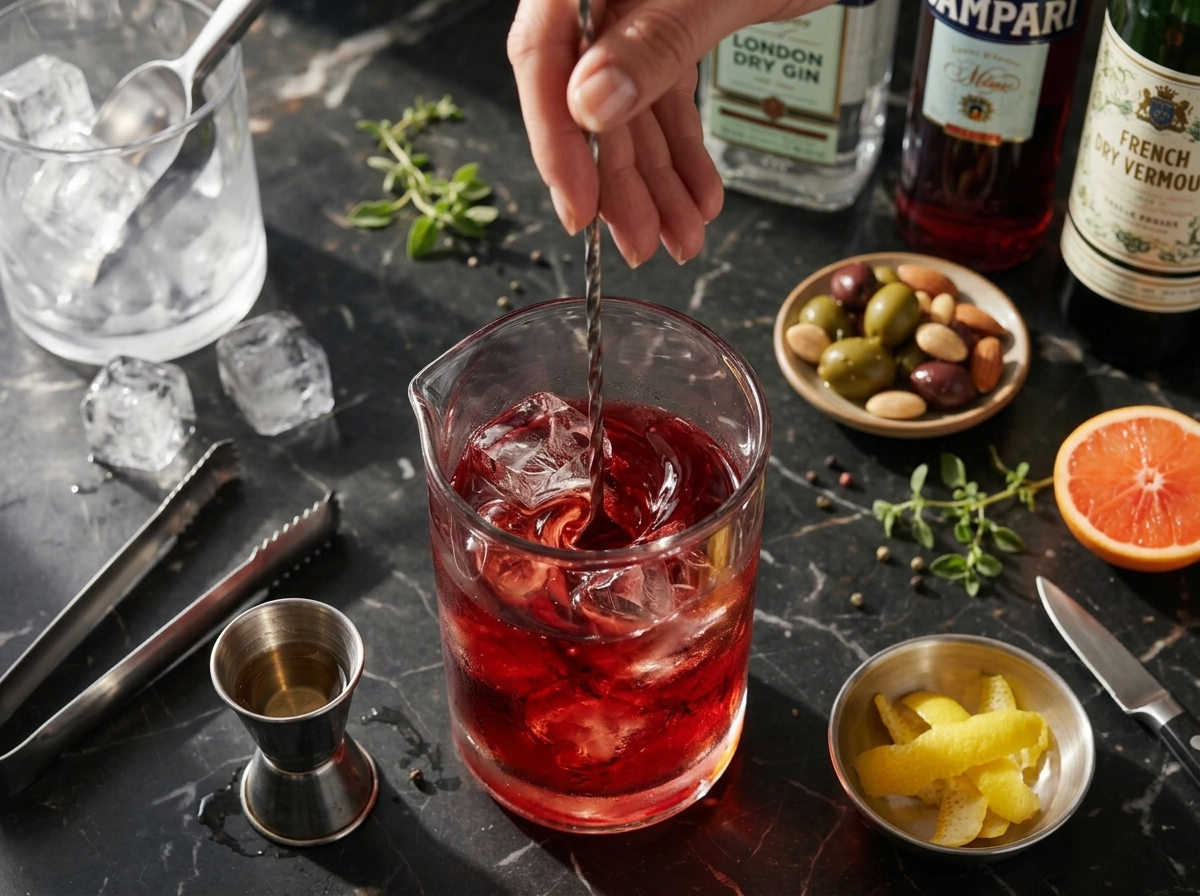
- Fill a mixing glass three-quarters full with large ice cubes.
- Add the gin, Campari, and dry vermouth to the mixing glass.
- Stir briskly with a bar spoon for 20 to 30 seconds, until the outside of the mixing glass feels ice-cold and slightly frosted.
- Empty the ice water from the coupe glass and strain the cocktail into it. For a drink on the rocks, strain over one large fresh ice cube in a rocks glass instead.
- Cut a wide strip of lemon peel and hold it skin-side down over the drink. Twist to express the oils across the surface.
- Run the peel around the rim of the glass, then drop it in or perch it on the rim. Serve right away.
Notes
- Use a jigger for an exact 3:2:1 ratio every time
- Stir 20 to 30 seconds, don't shake or it turns cloudy
- Store opened dry vermouth in the fridge, use within 4 to 6 weeks
- Batch the spirits ahead but stir with fresh ice per glass
Tips for Success
- Use a London dry gin with enough juniper backbone to stand up to Campari’s bitterness.
- Stir, don’t shake, so the drink stays clear instead of cloudy and over-diluted.
- Chill your coupe glass in the freezer for 10 minutes before you strain the drink into it.
- Measure with a jigger since the Cardinale’s balance depends on gin, Campari, and vermouth staying exact.
- Express the lemon peel oils directly over the surface before dropping it in or perching it on the rim.
Variations
- Swap in an extra dry vermouth like Dolin Dry for a crisper, more herbal Cardinale.
- Strain over a single large ice cube in a rocks glass instead of serving up, for a slower sip.
- Use a barrel-aged gin to add a rounder, slightly woody note against the Campari’s bitterness.
Storage and Reheating
This is a stirred drink meant to be built fresh, so there’s no reheating step here. The gin, Campari, and dry vermouth can be pre-batched together in a bottle at the same 3:2:1 ratio and kept in the fridge for up to 5 days.
When you’re ready to serve, stir the batched mix over fresh ice per glass and add the lemon twist right before pouring. Don’t batch the ice or the citrus, since both need to be added at the last minute for the right dilution and aroma.
Serving Suggestions
Serve the Cardinale as a pre-dinner aperitivo, on its own, before an Italian-leaning meal rather than with dessert.
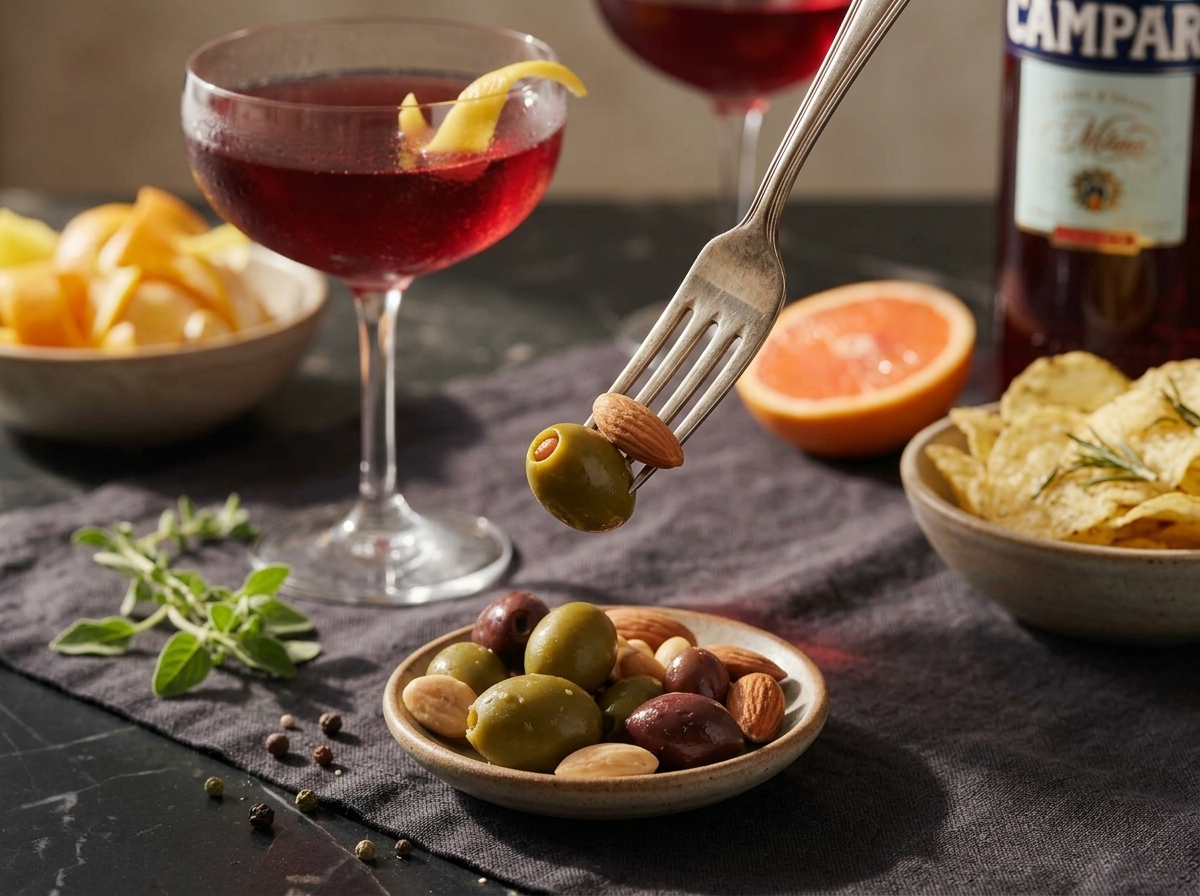
Salty, fatty snacks cut through the bitterness well. Marcona almonds, shavings of aged Parmesan, or thin slices of cured bresaola all work alongside it.
For a party, set out a small tray of olives and rosemary potato chips next to a batch of pre-mixed spirits, so guests can pour and stir their own over ice.
FAQ
Why does my Cardinale taste more bitter than a Negroni?
That’s the point, not a mistake. A Negroni uses sweet vermouth, which adds sugar to soften Campari’s bitterness, while the Cardinale uses dry vermouth with no sugar to buffer it. If it tastes harsh rather than crisp, cut the Campari to 25 ml or stir longer so more ice dilution rounds out the edges.
Can I use sweet vermouth instead of dry vermouth in a Cardinale?
You can, but then you’ve made a Negroni, not a Cardinale. Dry vermouth is what defines this drink, giving it a lighter, more herbal profile instead of the Negroni’s rounder sweetness. If you only have sweet vermouth on hand, split it half and half with dry for a middle-ground pour.
Can I batch a Cardinale cocktail ahead of a party?
Yes, combine the gin, Campari, and dry vermouth in a bottle at the same ratio and refrigerate for up to 5 days. Stir each portion over fresh ice right before serving, since the drink needs that dilution and chill to taste right. Don’t add the lemon twist until you pour.
What food pairs well with a Cardinale cocktail?
Salty, fatty snacks work best because they cut through the bitterness. Marcona almonds, aged Parmesan, cured bresaola, or potato chips with rosemary all hold up well alongside it. It also works as a classic pre-dinner aperitivo, served on its own before an Italian meal rather than with dessert.
Is the Cardinale cocktail gluten free?
Yes, in most cases. Gin, Campari, and dry vermouth are all distilled or filtered so they’re considered gluten free even when made from grain. If you have celiac disease, check the label on your specific gin brand, since a few small-batch gins add flavorings after distillation.
What’s the difference between a Cardinale and a Negroni?
The vermouth. A Negroni uses sweet vermouth for a rounder, slightly syrupy finish, while the Cardinale uses dry vermouth for a cleaner, more bitter, herbal drink. Both share the same gin and Campari base in similar proportions, but the Cardinale is the drier, more austere version of the two.